


Hint: It’s not to preserve a different way of seeing the world.
We Should be Able to Change our Languages — Jimmy Miller
It's time we stopped treating languages as sacred fixed objects. We need now, more than ever, languages we can change.
Large language models are cultural technologies. What might that mean?
Four different perspectives
Opinion | How to Save the Web (Published 2018)
Governments, businesses and users around the world must commit to a set of fundamental principles for the web.

On the Alignment of Large Language Models with Global Human Opinion
Today's large language models (LLMs) are capable of supporting multilingual scenarios, allowing users to interact with LLMs in their native languages. When LLMs respond to subjective questions posed by users, they are expected to align with the views of specific demographic groups or historical periods, shaped by the language in which the user interacts with the model. Existing studies mainly focus on researching the opinions represented by LLMs among demographic groups in the United States or a few countries, lacking worldwide country samples and studies on human opinions in different historical periods, as well as lacking discussion on using language to steer LLMs. Moreover, they also overlook the potential influence of prompt language on the alignment of LLMs' opinions. In this study, our goal is to fill these gaps. To this end, we create an evaluation framework based on the World Values Survey (WVS) to systematically assess the alignment of LLMs with human opinions across different countries, languages, and historical periods around the world. We find that LLMs appropriately or over-align the opinions with only a few countries while under-aligning the opinions with most countries. Furthermore, changing the language of the prompt to match the language used in the questionnaire can effectively steer LLMs to align with the opinions of the corresponding country more effectively than existing steering methods. At the same time, LLMs are more aligned with the opinions of the contemporary population. To our knowledge, our study is the first comprehensive investigation of the topic of opinion alignment in LLMs across global, language, and temporal dimensions.
Co-Writing with Opinionated Language Models Affects Users’ Views
As part of the Digital Library's transition to Open Access, new features for researchers are available in the Premium Edition. Click here to learn more.

Co-Writing with Opinionated Language Models Affects Users’ Views
As part of the Digital Library's transition to Open Access, new features for researchers are available in the Premium Edition. Click here to learn more.
We Have Always Been Action TheoristsToward a Critical Theory of Language for the Era of “Large Language Models”
Scholars of literature and culture understandably place themselves among the world’s premiere experts on matters of language. But they also know that fields like linguistics and communication have their own ways of studying how people express themselves through speech and written media. A key difference concerns the theories and methodologies...
Why Anthropic believes its latest model is too dangerous to release
“The language models we have now are probably the most significant thing to happen in security since we got the Internet.”

Better Than Free
[Translations: Belarusian, Chinese, Estonian, French, German, Italian, Japanese, Polish, Portuguese, Russian, Spanish, Turkish] The internet is a copy machine. At its most foundational level, it copies every action, every character, every thought we make while we ride upon it. In order to … Continue reading →
The words we choose matter: recognising the importance of language in decolonising global health
Recognition of the relevance of colonial history to the contemporary practice of global health is not new, but the recent increase in visibility and prominence given to it by global health institutions and flagship journals is welcome when accompanied by meaningful reflection and action.1

Different modes of thinking
Writing at the end of the world, from Hveragerði, Iceland
Tracing the thoughts of a large language model
Anthropic's latest interpretability research: a new microscope to understand Claude's internal mechanisms
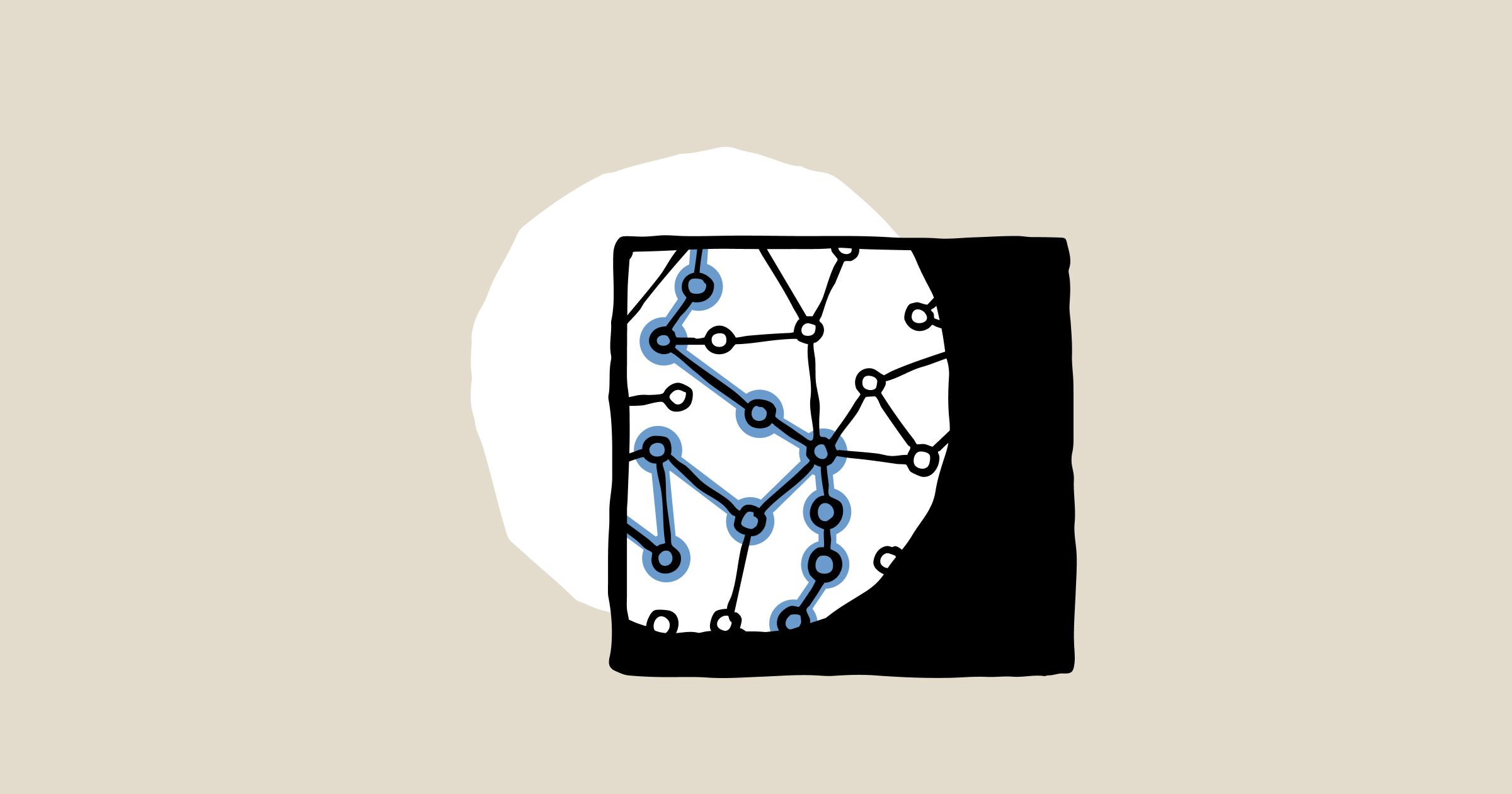
Controls as language
A couple of weeks ago, my friend Esteban said some stuff on Twitter that got me thinking (again) about the value of looking at a game’s control scheme as a sort of language. The whole series of tweets is worth a read, but the concluding tweet in p...
Anthropic on Twitter / X
New Anthropic research: A global workspace in language models.Of everything happening in your brain right now, only a tiny fraction is consciously accessible—thoughts you can describe, hold in mind, and reason with.We found a strikingly similar divide inside Claude. pic.twitter.com/aLUPBifxth— Anthropic (@AnthropicAI) July 6, 2026
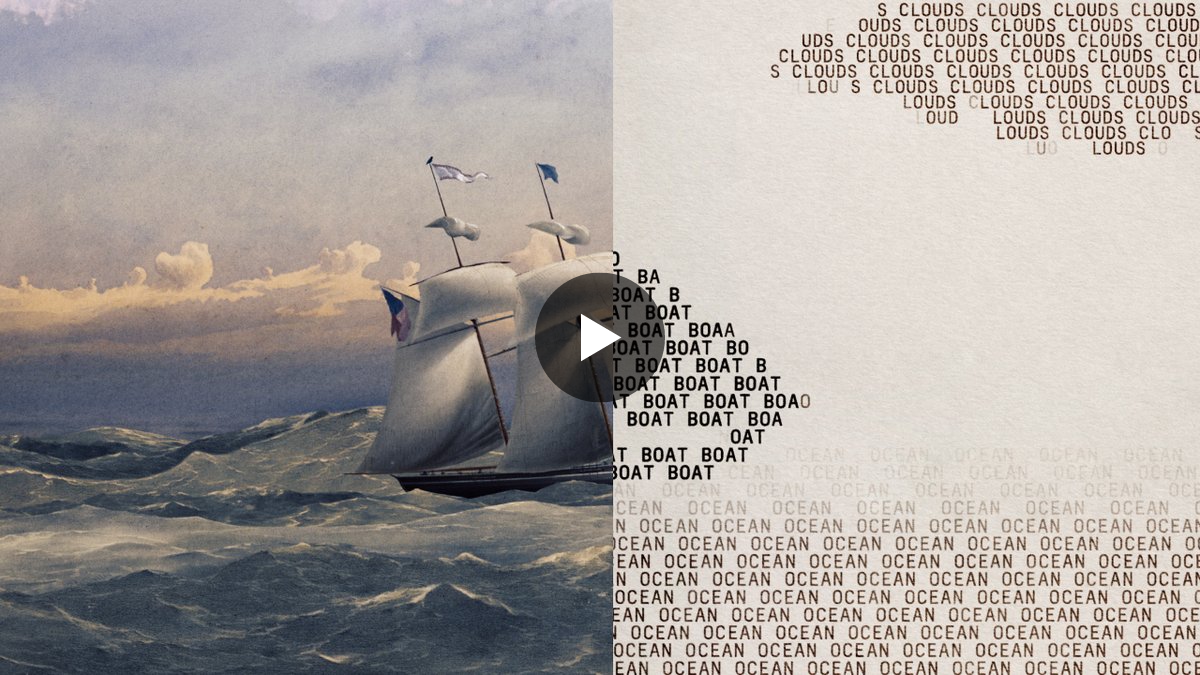
Fix the internet, save democracy

The internet has evolved into a state that is actively hostile towards global democracy. A thesis is emerging that to save global democracy, you must fix the internet.
The IndieWeb Is Punk Manifesto
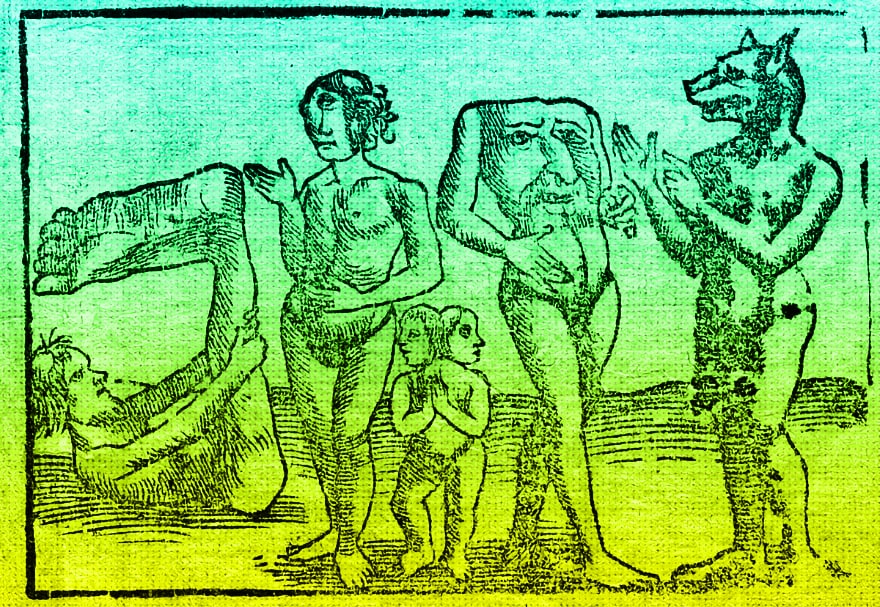
The Retweeting Class

Funding The Web: From Cartel to Covenant

Protocols, Not Platforms: A Technological Approach to Free Speech

The architecture of the internet creates risks for democracy
