

Some humanitarian notes
Humanitarian Governance
This review examines humanitarian governance, defined as the increasingly organized and internationalized attempt to save the lives, enhance the welfare, and reduce the suffering of the world's most vulnerable populations. Political scientists and international relations scholars are only now beginning to explain this rapidly growing global governance of humanity, which is particularly evident in the developing literatures on humanitarian intervention, emergency relief, peacebuilding, and refugee protection. As they increasingly engage this relatively unexplored area of global life, political scientists are using the familiar analytics of the global governance literature to explain the origins, design, and effectiveness of this collective activity. This essay, though, interjects an alternative perspective, one that draws from critical theory, to widen the research agenda of the study of humanitarian governance. Specifically, the essay raises six central questions: What kind of world is being imagined and produced? What accounts for the tremendous growth of humanitarian governance over the last century? Who governs? How is humanitarian governance organized and accomplished? What are the principal techniques of control? By what authority do humanitarians govern and what do they do with that authority?

A world in turmoil: governing risk, establishing order in humanitarian crises
This special issue of Disasters on humanitarian governance focuses on risk and order. Its contributions show the tensions between humanitarian normative ideals and practical consequences, as many of ...

After aid: Thoughts on a localised humanitarian system (part 1)
You have probably read 100+ articles on this topic — USAID shutdown, funding cuts from several EU governments and the UK. An…

We asked our climate reporters to highlight one idea for positive change. We got a chronicle of global transformation
There are countless initiatives around the world that can inspire people and spur them into action. Amid the devastation of the climate crisis, our journalists strive to highlight these stories of hope
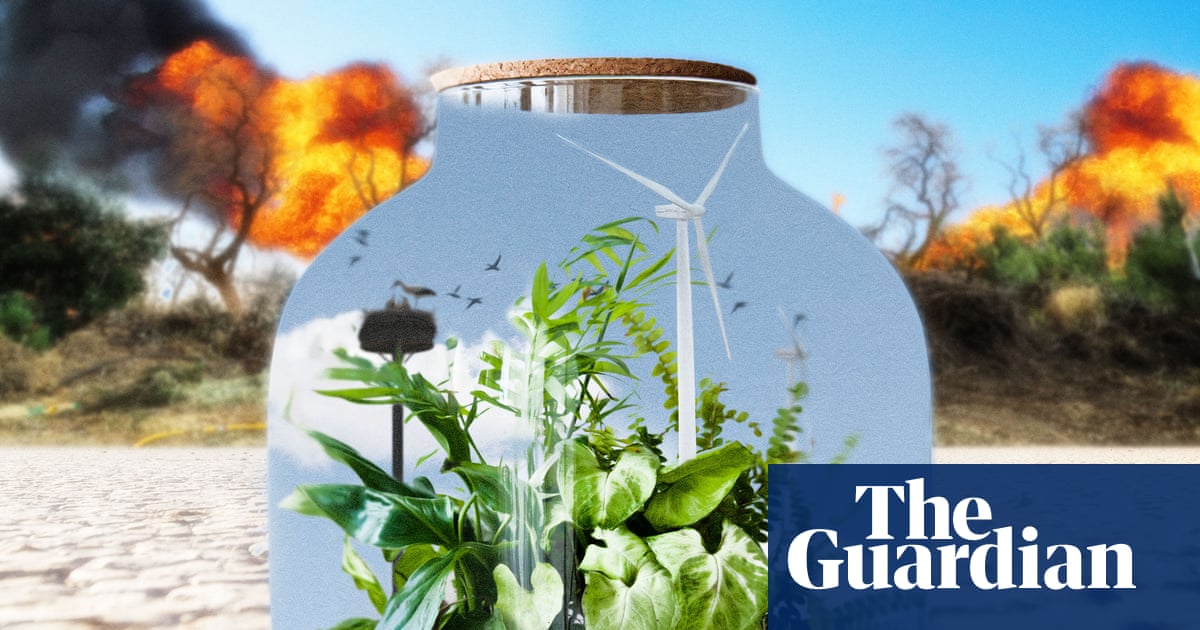
Laure Croft | HÖR - February 28 / 2024
Todo notes as a storm approaches
Writing at the end of the world, from Hveragerði, Iceland
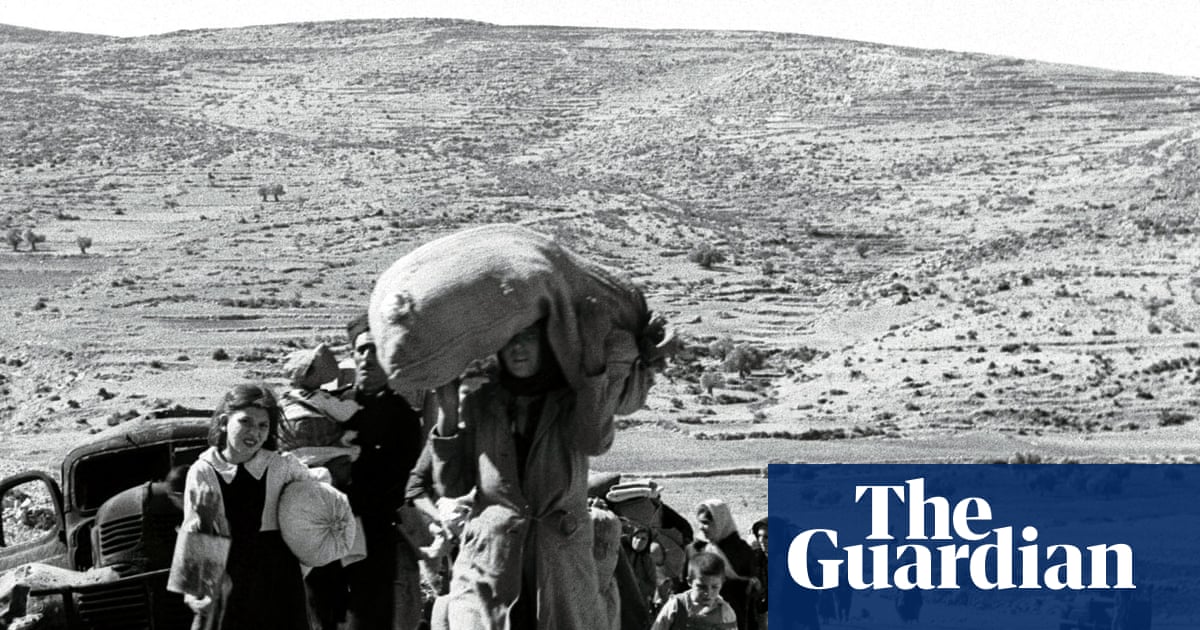
The secret mission to rescue the UN’s vital Palestinian refugee archive
Millions of documents chronicling generations of trauma saved from Gaza and East Jerusalem in 10-month Unrwa operation
We’re Hurtling Toward Global Suicide
Why we must do everything differently to ensure the planet’s survival

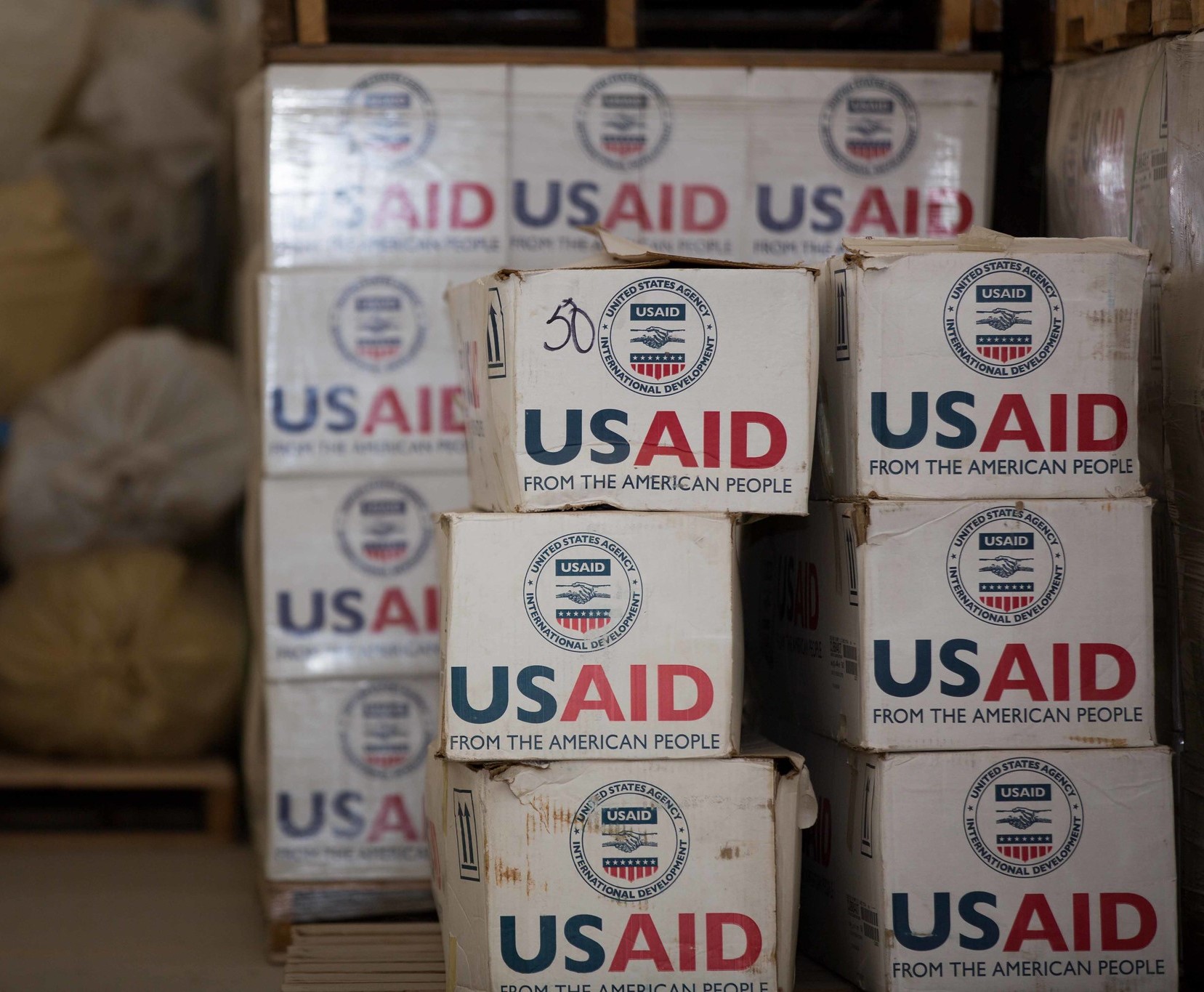
How Many Lives Does US Foreign Aid Save?
We present some estimates for lives saved by US assistance worldwide, with illustrative estimates by recipient country. Our core estimates are for deaths prevented from HIV/AIDS, vaccine-preventable illnesses covered by Gavi, tuberculosis, malaria, and emergency/humanitarian relief. We suggest the number of lives saved per year may range between 2.3 to 5.6 million with our preferred number resting on gross estimates of 3.3 million.
Positech@CSCW2026
People care about climate change, injustice, and humanitarian crises. The challenge is not apathy but capacity: sustained engagement with large-scale problems is psychologically costly, and social media architecture often amplifies awareness while providing few pathways to meaningful action.
The world’s perilous Ebola complacency
Global leaders must fund the Africa-led regional response today, or risk paying a higher price in human lives and economic devastation tomorrow.

The Political Declaration — UNODA
Political Declaration on Strengthening the Protection of Civilians from the Humanitarian Consequences Arising from the Use of Explosive Weapons in Populated Areas
Disasters are Distracting but work has to continue
Writing at the end of the world, from Hveragerði, Iceland
That’s Not the Warsh of It: The End(ish) of Forward Guidance and the Rise(?) of Treasury Monetary Policy
This is a free piece of Notes on the Crises. Take out a paid subscription to support our work here. Publisher Note: I’ve been off for two weeks because of a family medical emergency. Everything is fine now, but as you are likely aware, medical emergencies take up an

Home | 3ie
We are a mission-driven non-profit organization dedicated to using evidence to transform people’s lives. We collaborate with governments, foundations, NGOs, development and research organizations across the globe.
