


If you can get over the ewwww factor, pee-cycling your own urine into the garden makes good sense. Fresh urine is high in nitrogen, moderate in phosphorus and low in potassium and can act as an excellent high-nitrogen liquid fertilizer or as a compost accelerator.
The urine revolution: how recycling pee could help to save the world
Separating urine from the rest of sewage could mitigate some difficult environmental problems, but there are big obstacles to radically re-engineering one of the most basic aspects of life.

Home
The Rich Earth Institute recycles human urine into fertilizer. This work supports sustainable agriculture and protects vital water resources. Learn More
Better Tomatoes Via a Fertilizer of…Human Urine?
You say tomayto, I say tomahto. You say Miracle-Gro, I say ... pee. Apparently, human urine works remarkably well as a fertilizer for tomatoes, according to a new study out of Finland. Plants fertilized with a mixture of stored human urine and wood ash produced 4.2 times more fruit than plants without the pee, the study found. The urine-fertilized tomatoes had more beta-carotene than unfertilized ones, and much more protein than traditionally fertilized plants.
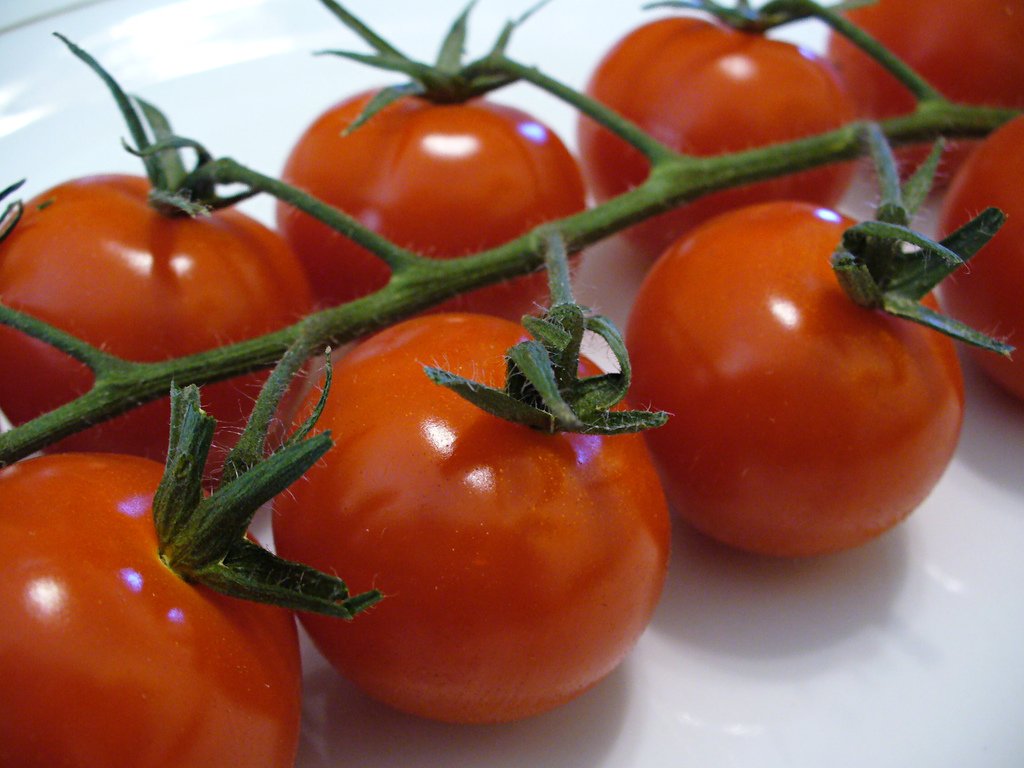
Biological Fertiliser - Human Urine
Regenerative Agriculture, Polyculture, Ecology, Regenerative Landscape Desing, Permaculture, Gardening, Ecological Gardening

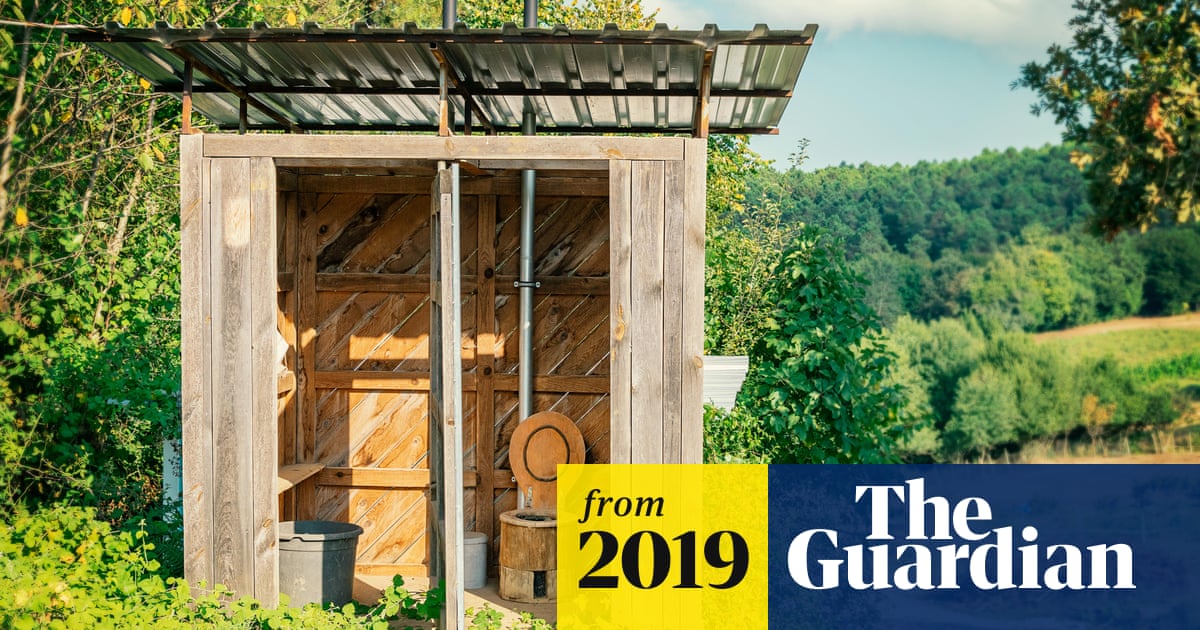
‘Humanure’: RHS plans rollout of first compost toilet to fertilise flowerbeds
The horticultural charity’s showpiece garden in Surrey is setting aside an space to test human waste fertiliser

Excess phosphorus from compost applications in urban gardens creates potential pollution hotspots
Abstract Urban sustainability initiatives often encompass such goals as increasing local food production, closing nutrient loops through recycling organic waste, and reducing water pollution. However, there are potential tradeoffs among these desired outcomes that may constrain progress. For example, expansion of urban agriculture for food production may create hotspots of nutrient pollution if nutrient recycling is inefficient. We used gardener and urban farmer survey data from the Twin Cities Metropolitan Area (Minnesota, USA) to characterize phosphorus (P) and nitrogen (N) inputs and harvest in order to determine nutrient use efficiencies, and measured soil P concentrations at a subset of these sites to test whether excess soil P was common. All survey respondents (n = 142) reported using some form of soil amendment, with plant-based composts being the most common. Median application rates were 300 kg P/ha and 1400 kg N/ha. Median nutrient use efficiencies were low (2.5% for P, 5.0% for N) and there was only a weak positive relationship between P and N inputs and P and N harvested in crop biomass. Garden soils had a median Bray P value of 80 ppm, showing a buildup of plant-available P far exceeding recommended levels. Our results show that urban gardens are characterized by high nutrient inputs and inefficient conversion of these nutrients into crops, leading to buildup and potential loss of P and N from garden soils. Although urban gardens make up only 0.1% of land area in the Twin Cities, compost application to these urban gardens still constitutes one of the largest inputs of P to the watershed. In order to maximize desired outcomes from the expansion of urban agriculture (UA), it will be necessary to target soil amendments based on soil nutrient levels and crop nutrient demand.
How to Make and Use Comfrey Tea Fertilizer | Gardener’s Path
Learn to make your own comfrey tea fertilizer, an organic, easy, and free way to feed your plants and recycle nutrients back into the soil. Read more now.
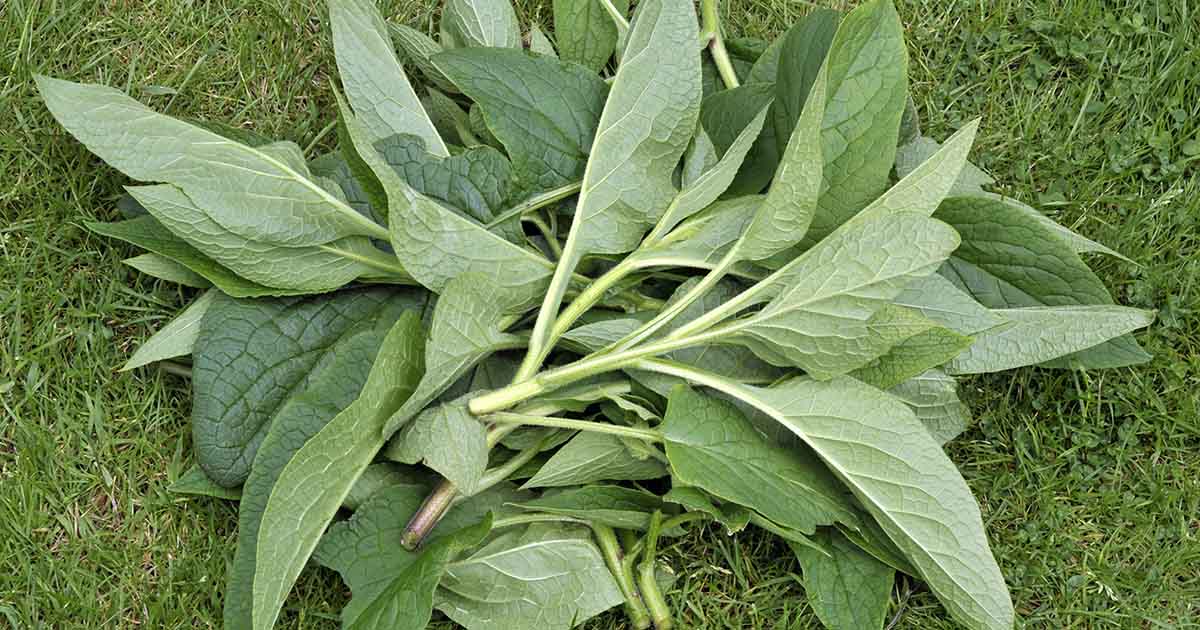
Compost Fairy
Step into a magical land where your waste turns into rich garden gold. Learn how to begin composting or enhance your compost experience. Work with me today :).
Absolutely wasted: the inner-city garden using food scraps to create top grade soil
An urban compost project has fostered an ingenious way to turn all kinds of waste food into fertiliser

The no-flush movement: the unexpected rise of the composting toilet
We squander masses of clean water flushing away our own waste instead of using it as fertiliser. But a lavatorial eco revolution has now begun
Coffee, tea, and caffeine consumption and serum uric acid level: The third national health and nutrition examination survey
It's never been easier to keep waste from landfills, but are you doing your part? | CBC News
'You have to find your why and for me it started out with the environment and I needed to feel like I was doing my part,' says zero waste blogger Katelin Leblond. 'For some people it's the financial aspect, some people it's the minimalist aspect but I have yet to meet a person who has adopted any sort of level of zero waste that has regretted it.'

Lawn grass is a bigger problem than you might think. Here's why, and what you can do | CBC News
It's easy to feel hopeless about climate change and believe most solutions are out of your hands. But you can help fix one of the biggest environmental issues of our time, and it's likely growing right in your own yard: lawn grass.

New PNW Gardening App - Join the Waitlist! 🌱
88 votes, 49 comments. 36K subscribers in the pnwgardening community. PNW Gardening is a subreddit for the wonderful gardeners here in the Pacific…

Watch: Soil Carbon Science Webinar
The NFU co-hosted a webinar with other UK farming organisations which drew together leading scientists to discuss the carbon storage potential of UK non-peat soils. Watch it here.
5 Gallon Self-Watering Planter
A 5 gallon self-watering planter is perfect for people with limited space or have bad soil to begin with. Grow tomatoes right on your patio!
