


A conversation with former Reddit product head Dan McComas on the problems with Reddit, Twitter, and the rest of the web.
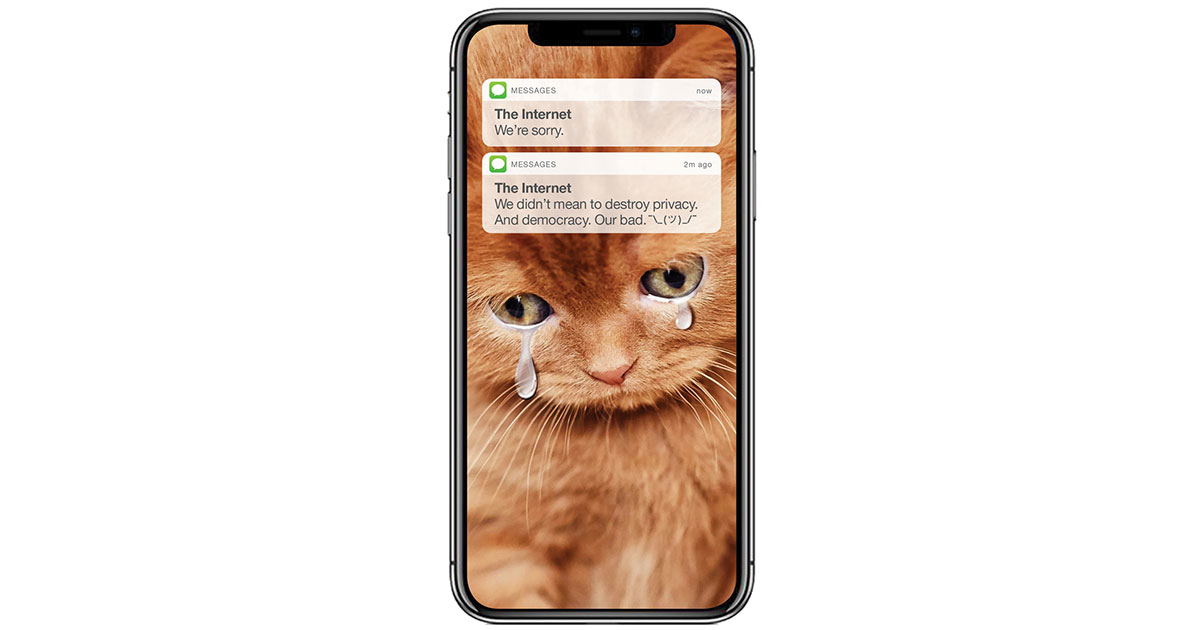
An Apology for the Internet — From the People Who Built It
Even those who designed our digital world are aghast at what they created. A breakdown of what went wrong.
No Sense of Place: The Impact of Electronic Media on Social Behavior
Electronic media present us with a collage of experiences from everyplace. We eat dinner at home while watching starving children thousands of miles away reach out to us for food. From our easy chairs, we stare at blindfolded hostages, and coolly

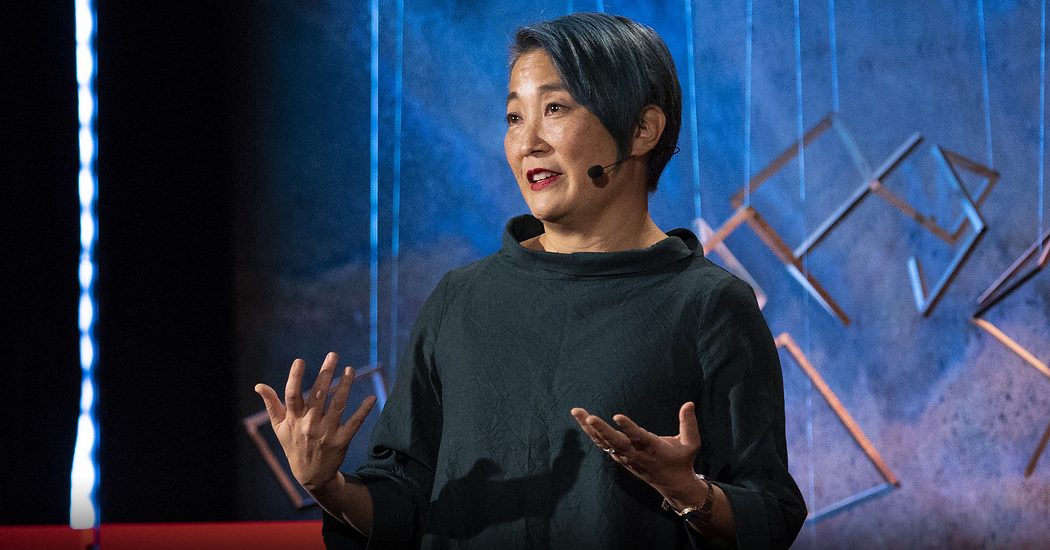
Lisa Nakamura: The internet is a trash fire. Here's how to fix it.
Life on the internet is real life, and we need to stop pretending that what happens online doesn't matter, says digital media researcher Lisa Nakamura. In this timely talk, she explains the steps we can take to correct the toxic behaviors that have become common online -- and help make the internet a place where we all feel safe.
Reddit and the Struggle to Detoxify the Internet
From 2018: The trolls are winning. How do we fix life online without limiting free speech?

Did Reddit’s April Fools’ gag solve the issue of online hate speech?
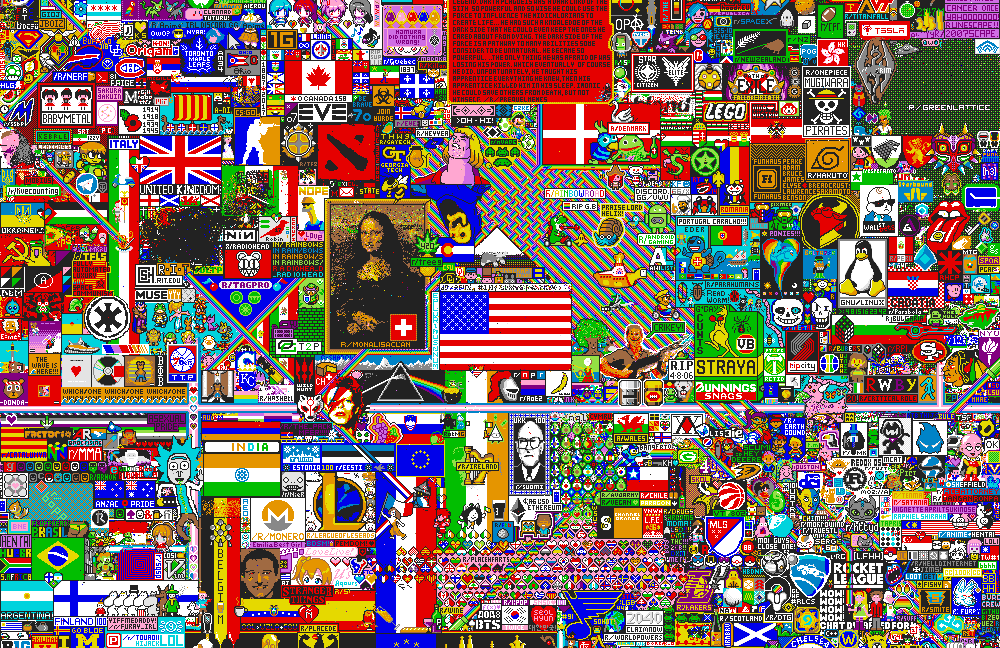
Nations battled, voids came and went, and one million pixels said a lot about humanity.
Art or tool?
The Internet spaces I tend to inhabit have more polarisation than at many other recent times, and little explication of the worldviews that lead to different premises for discussion, that in turn...

Anatomy of an internet argument
Social media isn't toxic, most people just haven't figured out the game (yet)
What We Lost When We Quit Using Crappy Old Web Forums
Old web forums were poorly coded and rough around the edges, but maybe we gave up on them too quickly in the social media era.
The Subversive Hyperlink
Writing about the big beautiful mess that is making things for the world wide web.
Trust: Foundation of Human Knowledge yet online Platforms won't allow | David Karger | TEDxMIT Salon
Measuring The Health of Our Public Conversations - Cortico
By Deb Roy, Eugene Yi, Russell Stevens Published: March 1, 2018 The Internet and social media have transformed modern society in many positive ways by connecting us to the world’s information, enabling social connections that transcend space and time, and giving everyone a voice. Within this transformation, social media have become an essential part of
The Nightmare of Eternal Spring: Why Social Media Can't Survive on "Niceness" Alone - Nightflight
Study: Social media probably can’t be fixed
The [structural] mechanism producing these problematic outcomes is really robust and hard to resolve."

Historical pragmatism and the internet
This article argues that the literature describing the internet revolution in the 1990s was characterized by the rhetoric of the technological sublime. This rhetoric suffered from three fatal flaws: (1) it was not sufficiently grounded in the historical development of technology; (2) it viewed the internet in isolation, failing to consider the wider technological context; and (3) it failed to examine the internet in view of the social, economic, religious and political circumstances of its users. Several examples from history are cited, demonstrating that changes in various systems for the production, dissemination and preservation of cultural information both border and deborder the world. The article suggests that if internet researchers take a pragmatic, historically grounded approach, they will discover that the introduction of internet technology can be seen to have similar consequences. While the technology overcomes many boundaries (of space and time, politics and economics), other social borders may be created at the same time. It is easier to see old boundaries coming down than to see new ones being erected. Rather than being swept by utopian or dystopian enthusiasms, the article insists that the really interesting discoveries are to be made in locating the subtle social shifts taking place, relatively unnoticed, as a consequence of technological change.

How Social Media Tricks our Brains — and Destroys our Politics - Aaron Ross Powell's Blog