

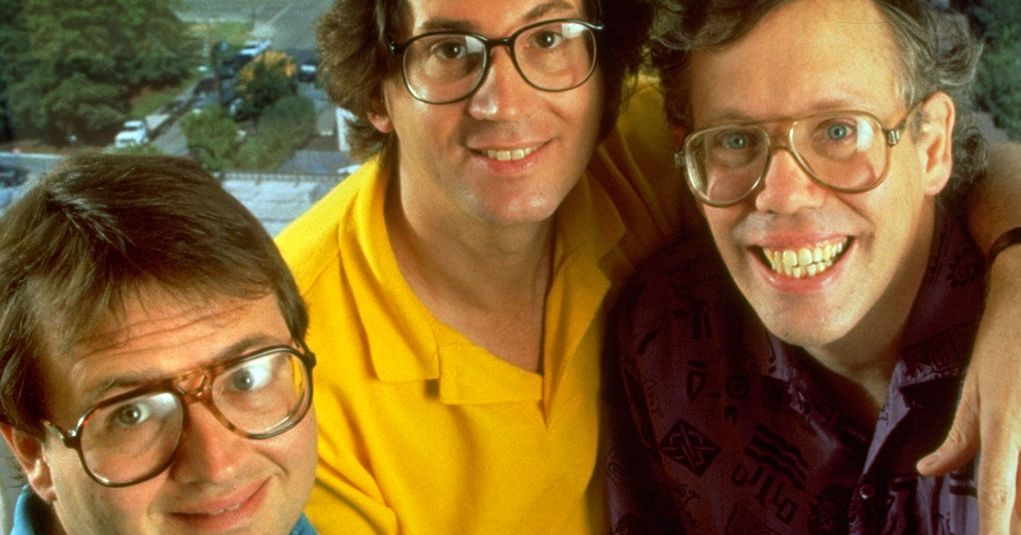
How a group of ex-Apple employees went from insanely great to greatly insane, accidentally inspiring a generation in the process.
Apple at 50: eight technology leaps that changed our world
From Apple II to the iPhone, time and again this extraordinary company has anticipated the value of opening up computing to everyone.
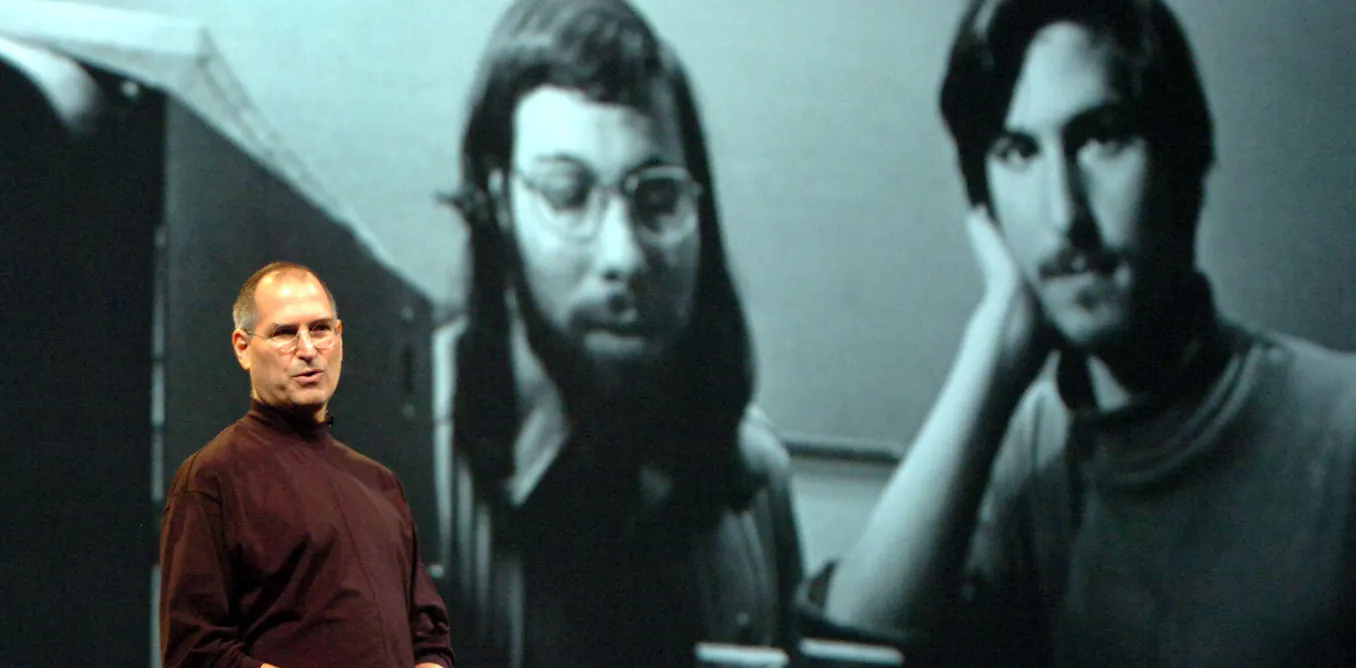
The most brilliant move in corporate history?
In a bold departure from its Big Tech peers, Apple sidestepped the $650 billion AI infrastructure spending frenzy, a move likened to opting out of purchasing the US Navy annually. While Amazon, Goo…

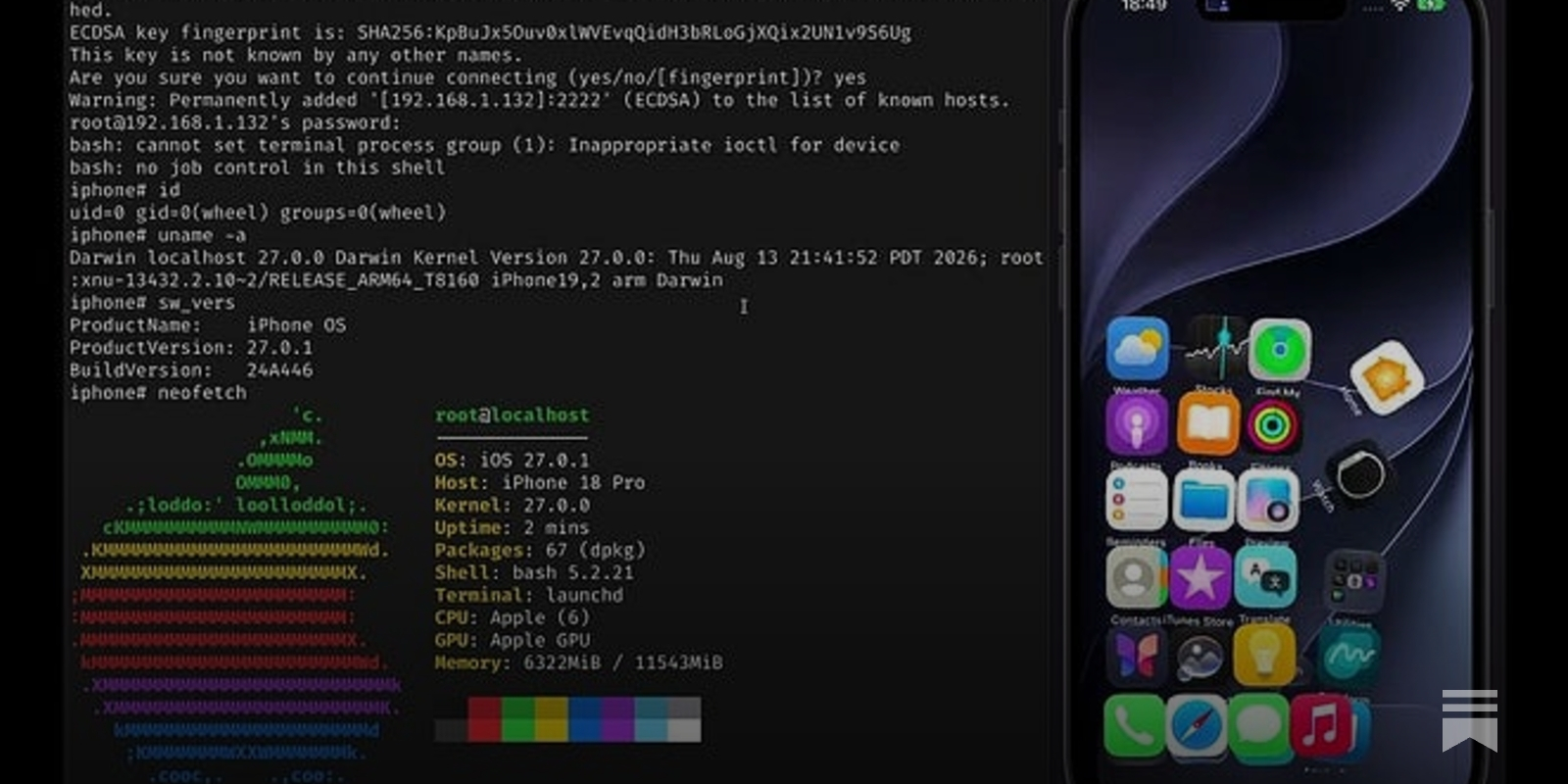
We Melted iPhones for Science
OASIS generated real-time video with on-device AI. Four years later, Apple redesigned the iPhone so that AI won't burn your hand -- and admitted that we were right.

Apple and the Ghosts of Companies Past
Apple is not doomed, but for the first time in a long time its long-term fortunes are cloudy; the time to make change is now.

Daring Fireball, by John Gruber
Commentary on Apple, technology, design, politics, and more.

THE RISE OF ANDROID: How a flailing startup became the world's biggest computing platform
Android is now one of the biggest computing platforms in the world. But it wasn't easy to get the industry to buy into Andy Rubin's radical vision.
The First Post-iPhone Keynote
This year’s WWDC presented an Apple that was finally ready to move past the iPhone.
» Doing Windows, Part 8: The Outsiders The Digital Antiquarian
Microsoft Windows 3.0’s conquest of the personal-computer marketplace was bad news for a huge swath of the industry. On the software side, companies like Lotus and WordPerfect, only recently so influential that it was difficult to imagine a world that didn’t include them, would never regain the clout they had enjoyed during the 1980s, and would gradually fade away entirely. On the hardware side, it was true that plenty of makers of commodity PC clones were happier to work with a Microsoft who believed a rising tide lifted all their boats than against an IBM that was continually trying to put them out of business. But what of Big Blue themselves, still the biggest hardware maker of all, who were accustomed to dictating the direction of the industry rather than being dictated to by any mere maker of software? And what, for that matter, of Apple? Both Apple and IBM found themselves in the unaccustomed position of being the outsiders in this new Windows era of computing. Each must come to terms with Microsoft’s newfound but overwhelming power, even as each remained determined not to give up the heritage of innovation that had gotten them this far.
Apple’s biggest announcement today was Memory Integrity Enforcement · Victor Wynne
Today’s Apple event introduced Memory Integrity Enforcement on iPhone 17, the most significant memory safety upgrade in consumer OS history.

Apple Vision Pro: A Watershed Moment for Personal Computing
I'm going to be direct with this story. My 30-minute demo with Vision Pro last week was the most mind-blowing moment of my 14-year career covering Apple and technology. I left the demo speechless, and it took me a few days to articulate how it felt. How I felt. It's not just that I was
1. Steve Jobs realized that "People hate their phones". Apple invented a better one, made bank, & changed the world. Academics hate their scientific publishers. Bluesky invented a better publishing platform, & could bank some of the ~$20B/year sci pub revenue, changing science 🧪 @toni.bsky.team 🧵
1. Steve Jobs realized that "People hate their phones". Apple invented a better one, made bank, & changed the world. Academics hate their scientific publishers. Bluesky invented a better publishing platform, & could bank some of the ~$20B/year sci pub revenue, changing science 🧪 @toni.bsky.team 🧵
