

home > resources > briefing notes > Roles in open source projects
Nibble Stew: The Nine Phases of an Open Source Project Maintainer
There is more to running an open source project than writing code. In fact most of all work has to do with something else. This places addit...
Passive Open Source
I used to be an active contributor to open source projects, but that was when I was still in college - I had a lot of free time and it was some good learning experience. I even managed to get involved with several open source projects when I start my first job in a big company.
The shape of open source
At its core, open source is about collaboration. Whether it’s version control, licenses, or issue trackers—everything exists to support people working with each other. Open source embodies a model for…

Everything an open source maintainer might need to know about open source licensing | Ben Balter
There's lots of internet lore around open source licensing. An attorney and open source developer answers the most common questions.
Working in Public: The Making and Maintenance of Open S…
An inside look at modern open source software developer…

Open-Source Contribution: The Ultimate Guide | Built In
How to get into open-source contribution according to these experts.

Open Source Saturation
In Supporting Open Source Software I discussed the critical need for better support for contributors to open source projects. Now, Quo Vadi...


Making your open source project newcomer-friendly
One reason I really like open source is that it offers a lot of great opportunities for newish programmers to get some hands-on experience with real world problems. There’s only so much one can learn …

The Asymmetry of Open Source - Matt Holt
A comprehensive guide to funding open source software projects

What Is Open Source Strategy? — Open Tech Strategies | Blog
There is a lot of documentation out there on how to do open source well at the project level. Historically, many projects have been started by developers, often on their own initiative, and the first non-technical questions they faced tended to be about project coordination (like "What collaboration tools shall we use?" or "What will our code review practices be?") and about community management (like "How do we decide who has commit access?" and "How do we integrate newcomers smoothly?"). Because developers hate to solve the same problems over and over, there is a wealth of detailed and varied material addressing those sorts of questions (we've even written some ourselves, but it's just a drop in the bucket of what's available). Taken together, this literature thoroughly answers the question "How do we execute the best tactics for developing open source software?"
Now Hiring: Senior Open Source Maintainer
A rare opportunity to make a real impact in a fast-paced, high-visibility role.

Open Source Explained — Open Indie
Musings on the concept of ‘open source’, in the broadest possible definition of the term. Also an invitation to become a participant in ...
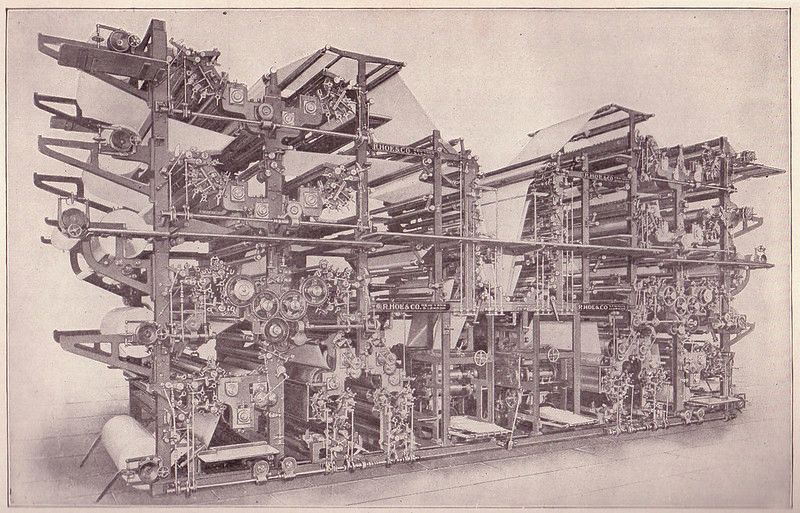
A Taxonomy for Open Source Software
I’m working on a structured taxonomy for classifying open source projects across multiple dimensions: domain, role, technology, audience, layer, and function.