

Join a global community reducing plastic waste. Build open-source recycling machines, learn from 40K+ recyclers and turn waste into products. Free to start.
Plastic Recycling Is a Problem Consumers Can't Solve
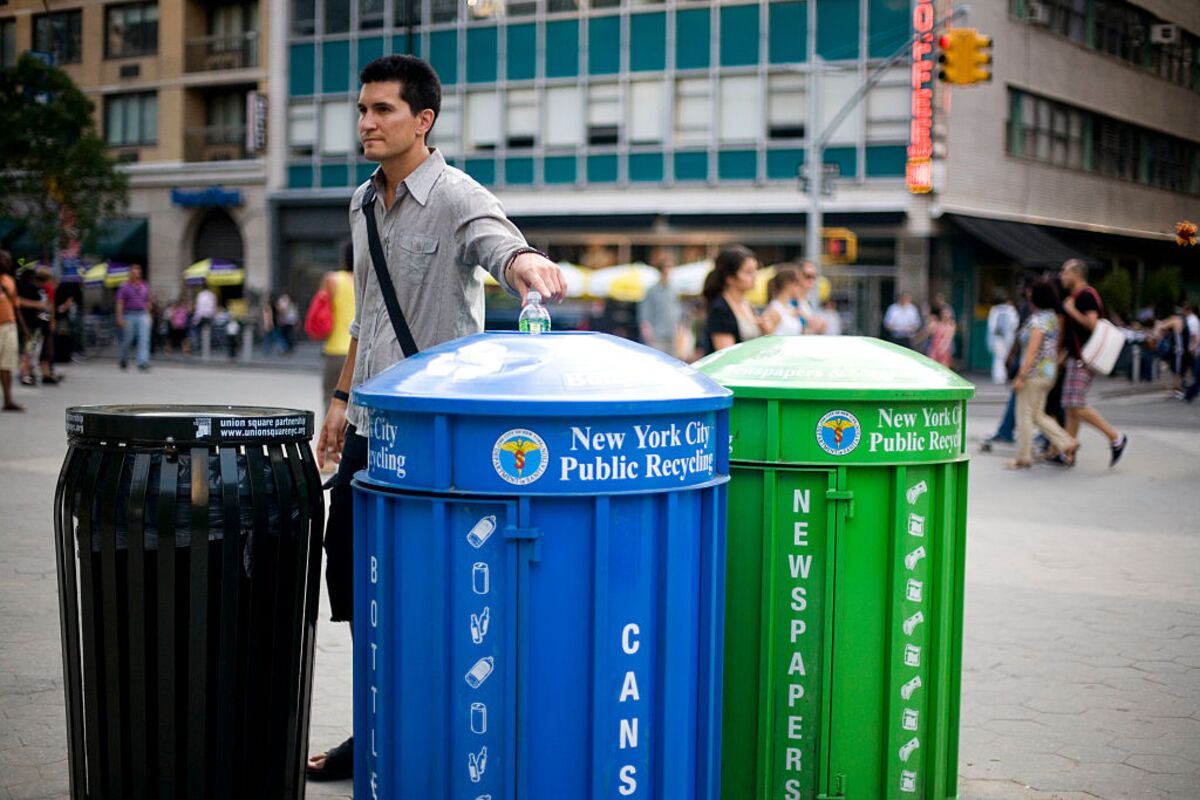
Even if you put everything into the right blue bins, a lot of plastics will end up in landfills and the ocean. Consumers can't solve this problem.
All my trash for a year fit into two plastic bags. Here’s how I did it.
Giving up plastic forks, new clothes and even toilet paper for an exercise in conservation.
It's never been easier to keep waste from landfills, but are you doing your part? | CBC News
'You have to find your why and for me it started out with the environment and I needed to feel like I was doing my part,' says zero waste blogger Katelin Leblond. 'For some people it's the financial aspect, some people it's the minimalist aspect but I have yet to meet a person who has adopted any sort of level of zero waste that has regretted it.'

We depend on plastic. Now we’re drowning in it.
The miracle material has made modern life possible. But more than 40 percent of it is used just once, and it’s choking our waterways.

Reclaimed Systems
Reclaimed systems - ethical sustainable art & technology for people and planet

E-waste challenges of generative artificial intelligence
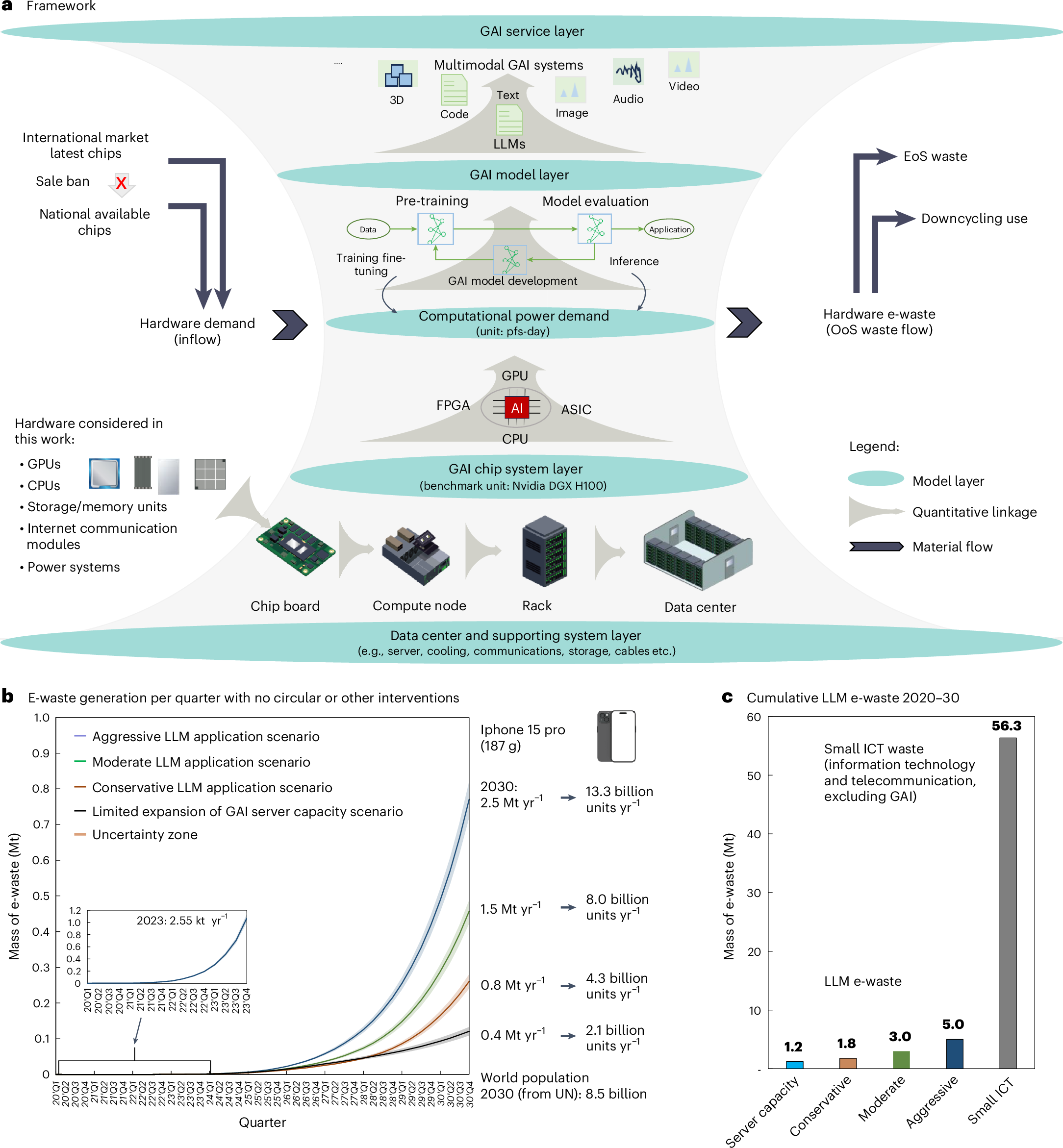
Generative artificial intelligence (GAI) requires substantial computational resources for model training and inference, but the electronic-waste (e-waste) implications of GAI and its management strategies remain underexplored. Here we introduce a computational power-driven material flow analysis framework to quantify and explore ways of managing the e-waste generated by GAI, with a particular focus on large language models. Our findings indicate that this e-waste stream could increase, potentially reaching a total accumulation of 1.2–5.0 million tons during 2020–2030, under different future GAI development settings. This may be intensified in the context of geopolitical restrictions on semiconductor imports and the rapid server turnover for operational cost savings. Meanwhile, we show that the implementation of circular economy strategies along the GAI value chain could reduce e-waste generation by 16–86%. This underscores the importance of proactive e-waste management in the face of advancing GAI technologies.
E-waste challenges of generative artificial intelligence
Generative artificial intelligence (GAI) requires substantial computational resources for model training and inference, but the electronic-waste (e-waste) implications of GAI and its management strategies remain underexplored. Here we introduce a computational power-driven material flow analysis framework to quantify and explore ways of managing the e-waste generated by GAI, with a particular focus on large language models. Our findings indicate that this e-waste stream could increase, potentially reaching a total accumulation of 1.2–5.0 million tons during 2020–2030, under different future GAI development settings. This may be intensified in the context of geopolitical restrictions on semiconductor imports and the rapid server turnover for operational cost savings. Meanwhile, we show that the implementation of circular economy strategies along the GAI value chain could reduce e-waste generation by 16–86%. This underscores the importance of proactive e-waste management in the face of advancing GAI technologies.
How Does Circular Economy Work In Sustainable Construction? - Construction Jobs
Open source sustainability | TechCrunch
Open source sustainability has been nothing short of an oxymoron. Engineers around the world pour their sweat and frankly, their hearts into these passion

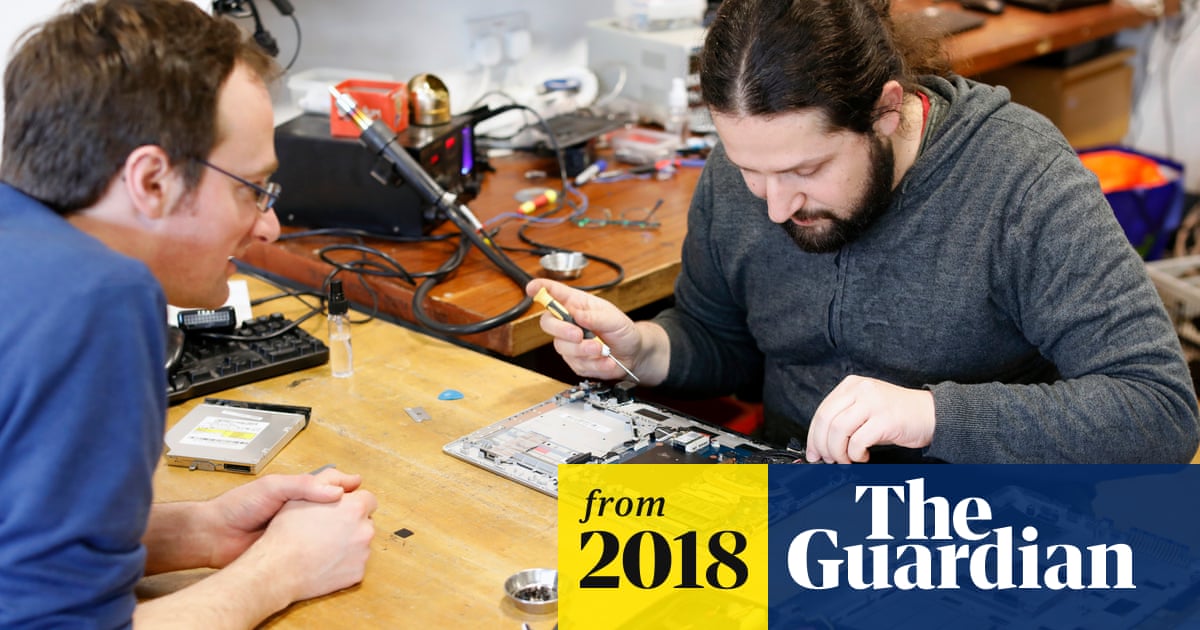
Can we fix it? The repair cafes waging war on throwaway culture
When fixing items is actively discouraged by manufacturers, recycling becomes a political act, say Repair Cafe volunteers
Circular Economy
The circular economy prioritises the reuse of materials, preventing the over extraction of natural resources and usable materials that end up in landfill.

Compost Fairy
Step into a magical land where your waste turns into rich garden gold. Learn how to begin composting or enhance your compost experience. Work with me today :).
Open Sustainable Technology
Open technology projects sustaining stable climate, energy supply, biodiversity and vital natural resources
Sustainability is not enough: we need regenerative cultures
By Daniel C. Wahl

I love the building on this idea here, it’s like using LLMs for code flippantly is this generation’s version of single-use plastics. Convenient, cheap for now, but with many negative externalities

Ross Wintle
Having fun reading and writing today. LLMs are not just machines. They are machine-building machines! This comes with way more responsibility. And understanding it may change how you use them.
