


Why policymaking in the United States privileges the rich over the poor
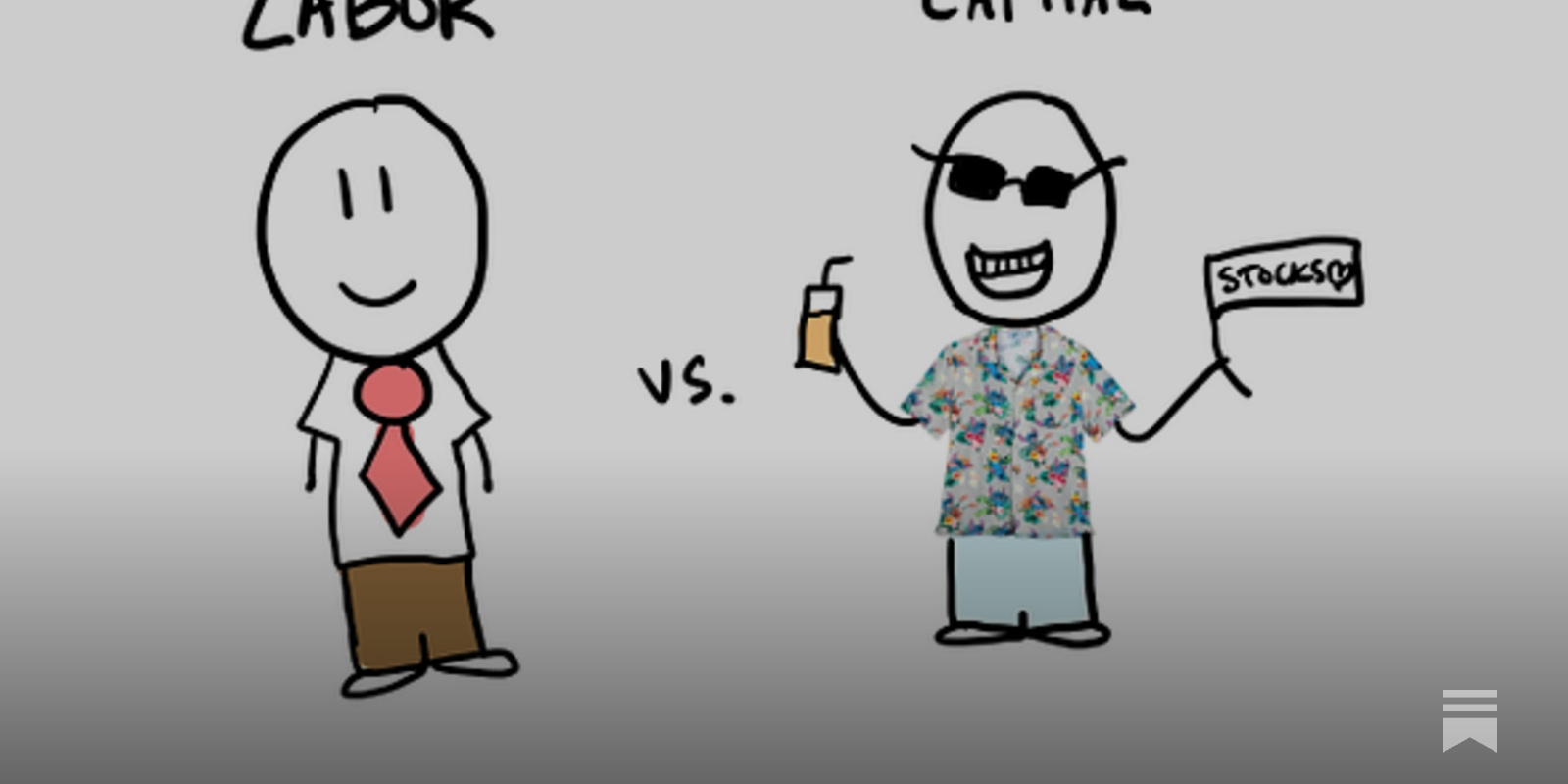
Meritocracy: the great delusion that ingrains inequality | Jo Littler
From Theresa May to Donald Trump, our leaders sell it as a utopian system of fairness – but ‘merit’ has been manipulated to privilege the wealthy

A Relentless Widening of Disparity in Wealth (Published 2014)
The economic forces concentrating more and more wealth into the hands of the fortunate few are almost sure to prevail for a long time, according to a new book by the economist Thomas Piketty.

Who's Getting Rich Off Your Attention?
How concentrated ownership and automated manipulation reshape democracy

Why The Rich Think The Poor Are Lazy
Is Dollar Dominance Good for the U.S.?
Thoughts on the U.S.'s so-called exorbitant privilege.

Has America Wasted Its Wealth?
On Modern Philanthropy, And Why We Don't Have A Modern Florence

Opinion | The Rich Really Do Pay Lower Taxes Than You (Published 2019)
The 400 wealthiest Americans now pay a lower rate than the middle class.

The Top 1% of Americans Have Taken $50 Trillion From the Bottom 90%—And That's Made the U.S. Less Secure
A report shows that a $50 trillion redistribution of income to benefit the richest has made America less healthy, resilient, and secure
The Paradox of Redistribution and Strategies of Equality: Welfare State Institutions, Inequality, and Poverty in the Western Countries
Debates on how to reduce poverty and inequality have focused on two controversial questions: Should social policies be targeted to low-income groups or be universal? Should benefits be equal for all or earnings-related? Traditional arguments in favor of targeting and flat-rate benefits, focusing on the distribution of the money actually transferred, neglect three policy-relevant considerations: (1) The size of redistributive budgets is not fixed but reflects the structure of welfare state institutions. (2) A trade-off exists between the degree of low-income targeting and the size of redistributive budgets. (3) Outcomes of market-based distribution are often more unequal than those of earnings-related social insurance programs. We argue that social insurance institutions are of central importance for redistributive outcomes. Using new data, our comparative analyses of the effects of different institutional types of welfare states on poverty and inequality indicate that institutional differences lead to unexpected outcomes and generate the paradox of redistribution: The more we target benefits at the poor and the more concerned we are with creating equality via equal public transfers to all, the less likely we are to reduce poverty and inequality.
Robert Reich: The Reagan revolution is killing America's middle class
The former secretary of labor explains why the economy will never benefit from the rich having more money

A 26-year-old MIT graduate is turning heads over his theory that income inequality is actually…
Wealthy tech founders and the automation of middle-class jobs are often blamed for increasingly concentrations of wealth in the 1%. But, a…

Who Rules America: Wealth, Income, and Power
Details on the wealth and income distributions in the United States (1% of households control 35% of the wealth), and how to use these distributions as power indicators.
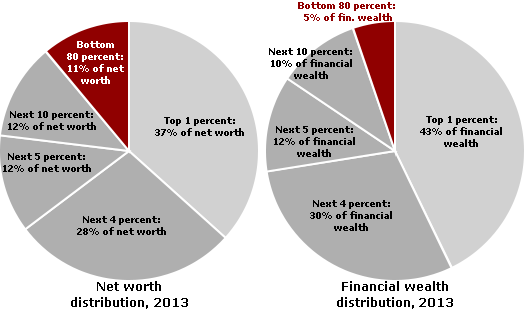
Do the Rich Capture All the Gains from Economic Growth?
Adjusted for inflation, the US economy has more than doubled in real terms since 1975.

Is Inequality Inevitable?
Wealth naturally trickles up in free-market economies, model suggests
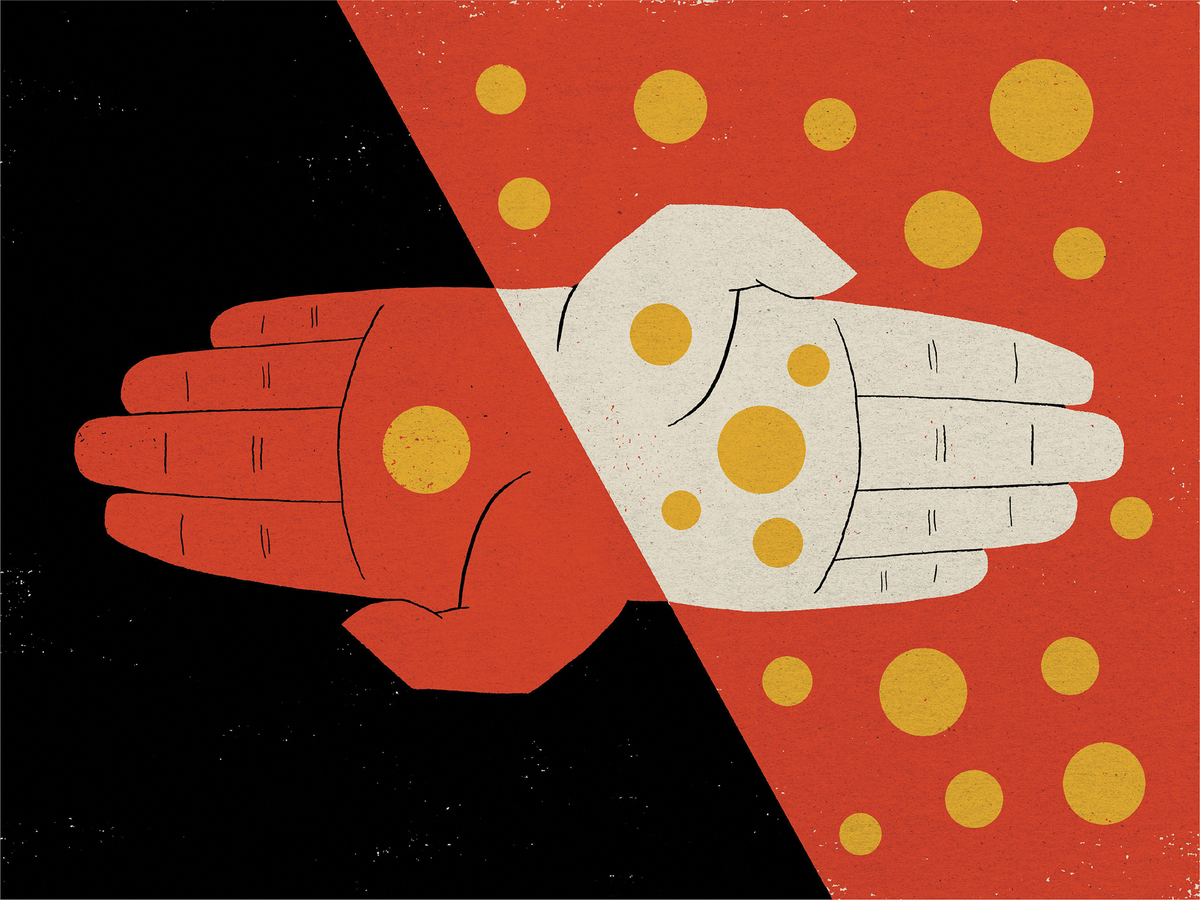
America’s new oligarchy
Under Trump an ultra-wealthy clique has infiltrated government, raising concerns about democratic integrity
