

These days, I'm thinking a lot about 3D printers, desktop manufacturing and software to create physical things. Last year I did some art...
Spime Watch: Spime Script
"So, I want to return to one part of that 2006 presentation which I still find relevant - the formation of Spime Script. We're entering a phase where hardware will become increasingly as malleable as software which leads to a problem of choice - if I want to change the function of something, do I do this in software or hardware? The tendency today is obviously towards software because its more malleable but the future is never the past. However this creates a problem of skill - will I need to become proficient in both software and CAD / electronic design?
3D printing my laptop ergonomic setup | nicole@web
Apparently, one of my hobbies is making updates to my ergonomic setup, then blogging about it from an Amtrak train. I've gone and done it again.
Fanette Mellier
Design graphique et objets imprimés / Graphic design and printed matter
Beyond Slop
Visions for humane creative AI tools based on craft, process, and emergence.
Spime
Spime is a neologism for a futuristic object, characteristic to the Internet of Things,[1] that can be tracked through space and time throughout its lifetime.[2] They are essentially virtual master objects that can, at various times, have physical incarnations of themselves.[1][3] An object can be considered a spime when all of its essential information is stored in the cloud.[4] Bruce Sterling sees spimes as coming through the convergence of six emerging technologies, related to both the manufacturing process for consumer goods, and through identification and location technologies. Depending on context, the term "spime" can refer to both—the archetype, as designed by the developer, or a user-specific instance of it.
paint: a timeline — Kristen Roos
This timeline is the result of researching the origins of digital paint and draw software, and the tools that were developed to allow for hand manipulation (versus plotter drawn) drawing and painting - the mouse, light pen & drawing tablet. If we look at the software that has become commonplace today (such as adobe photoshop), which allows for painting, animation and photo manipulation in one, we can trace the roots of this software to the University and Corporate Labs that housed large computers with advanced capabilities for their time - MIT Lincoln Labs & Radiation Labs, DARPA & the Augmented Research Centre (ARC), Bell Labs, NYIT’s Computer Graphics Lab, Xerox Palo Alto Research Centre (Xerox PARC), NASA’s Jet Propulsion Labs (JPL). The artistic collaborations that grew out of these labs fueled the advent of Computer Graphics, Computer Art and Video Art from the 1960's to the 1990's.
Muse: Designing a studio for ideas
Physical workspaces inspire a fast, fluid digital tool for creative thinking.
Creative Computing Group by @tgoerke.bsky.social — Grain
Let's start a group at CODIP to explore creative computing. Let's not start by defining creativity nor computing. It would be a trap. Let's collect artifacts instead. Images, text, thoughts,...
Digital Art Enters the Museum Age — Social Software
We explore code and systems as a medium for creating new forms of art. We consider "software" in an expanded sense, examining the ways that we are programmed by technology around us and the ways we can write software to make change in the world.
The Making of Cursor's Icons
A year of drawing, testing, and shipping a complete icon system for the world's favourite coding agent.
Malleable Software in the Age of AI - Geoffrey Litt
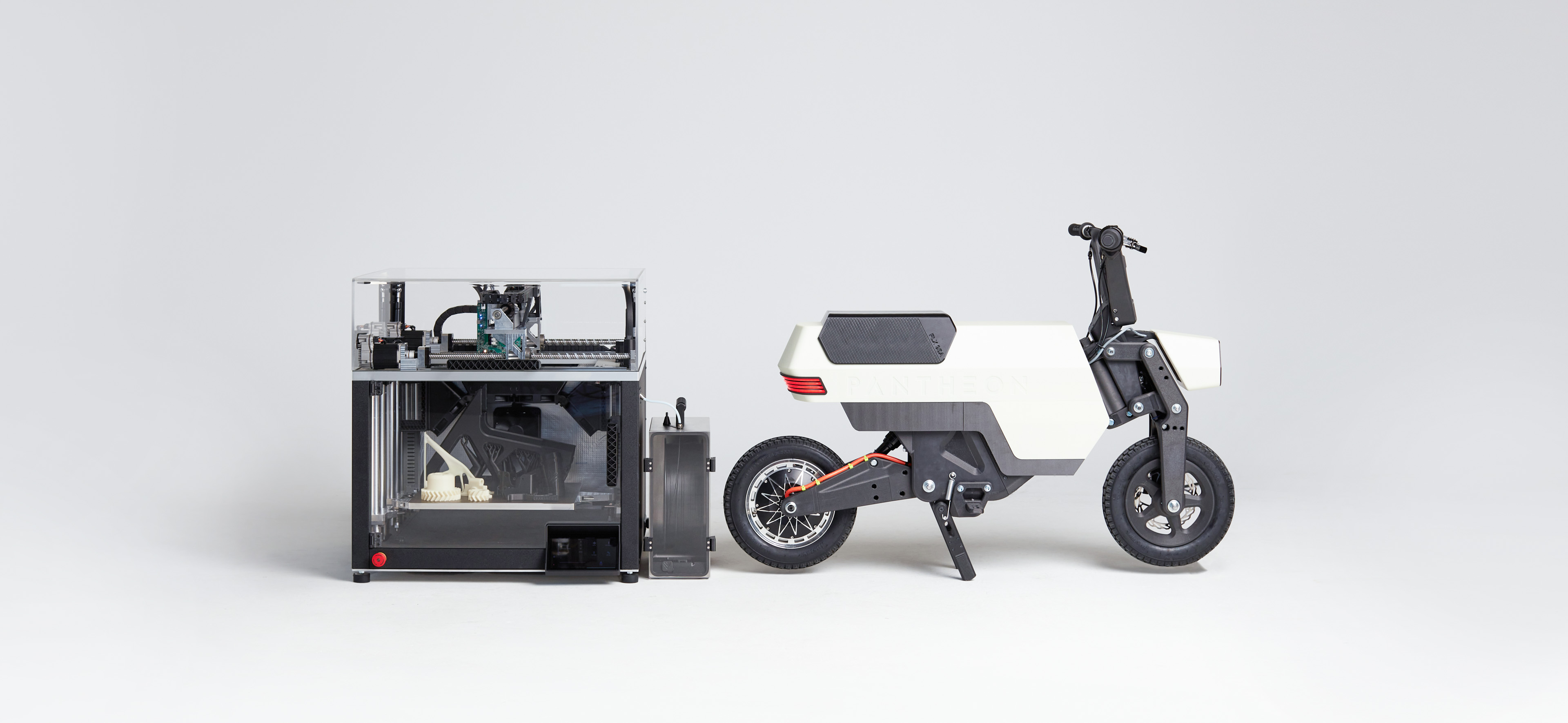
Pantheon Design - High Speed 3D printers
Pantheon Design develops 3D printing systems that allow industrial grade flexible manufacturing at a speed never seen before.
Malleable Software

Using AI to create your own visualizations, interfaces, and going beyond “apps” bmannconsulting.com/notes/malleable-software/ Other terms: * Regenerative Software semble.so/url?id=https://aicoding.leafl…
Malleable Software

Software that gives users extreme agency over the interface, such as JIT interfaces.
A Malleable Diffuse | tokono.ma
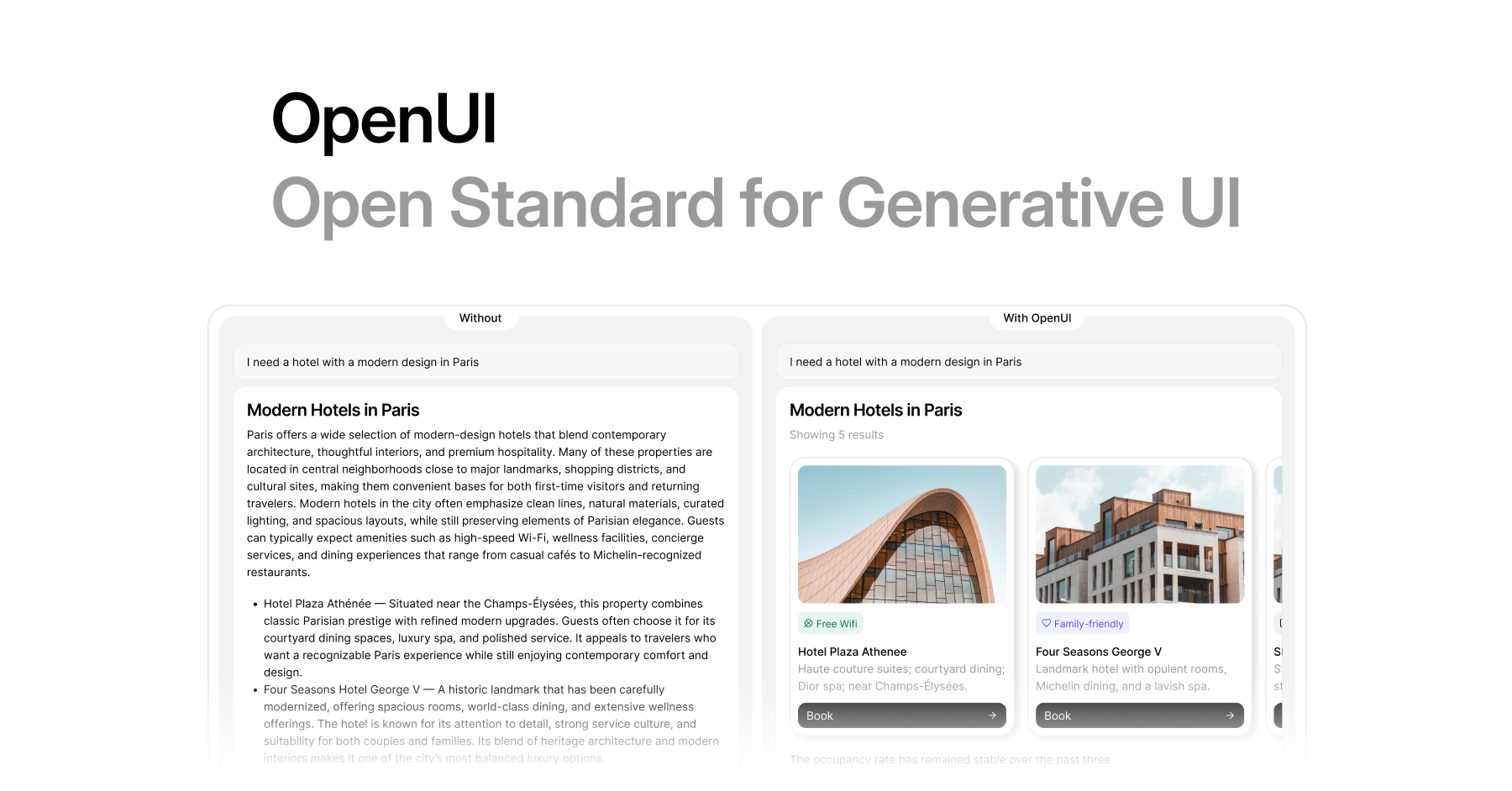
OpenUI - The Open Standard for Generative UI
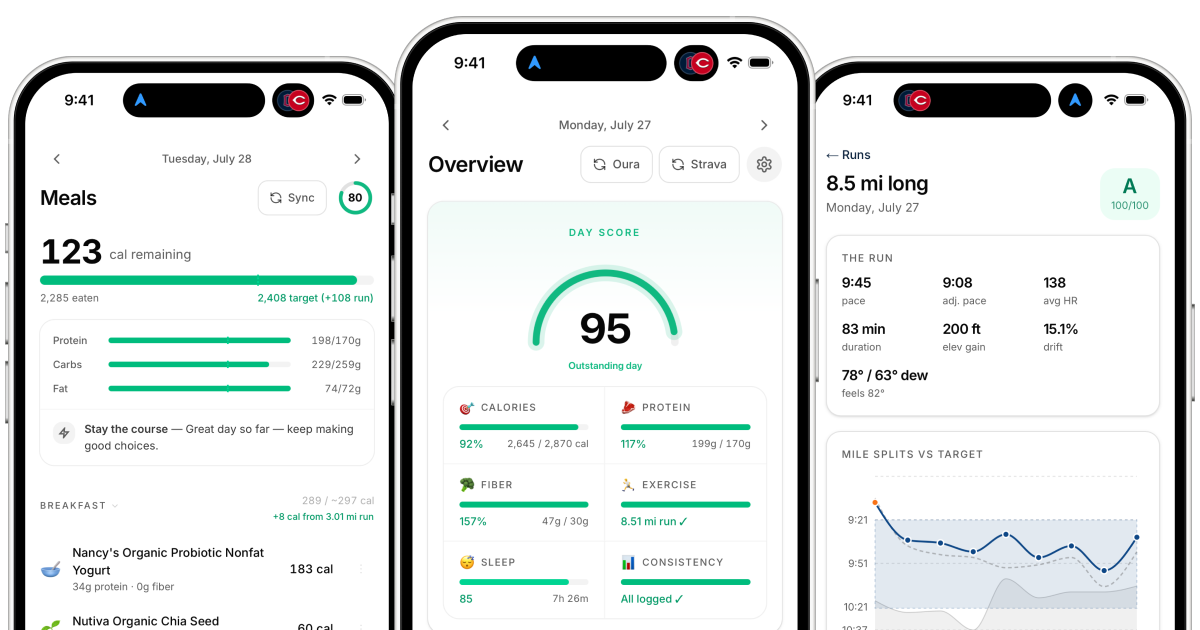
Software for One
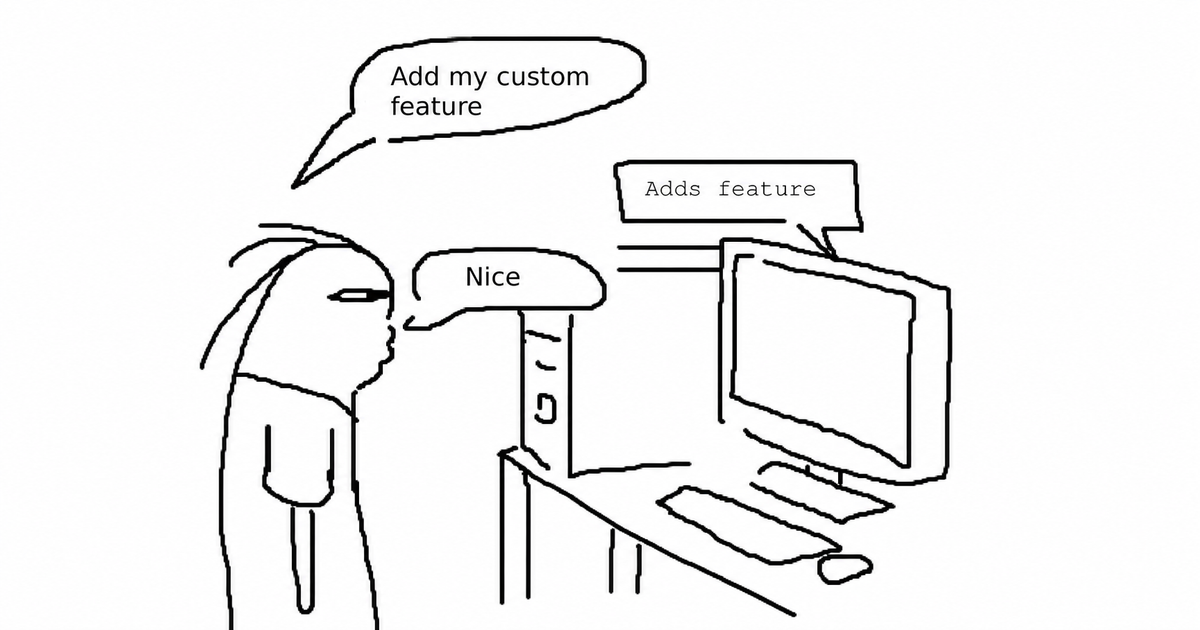
Extensible Software in the age of LLMs | Jeremy Morrell
Ink & Switch malleable software essay
Note · Mikkel Malmberg
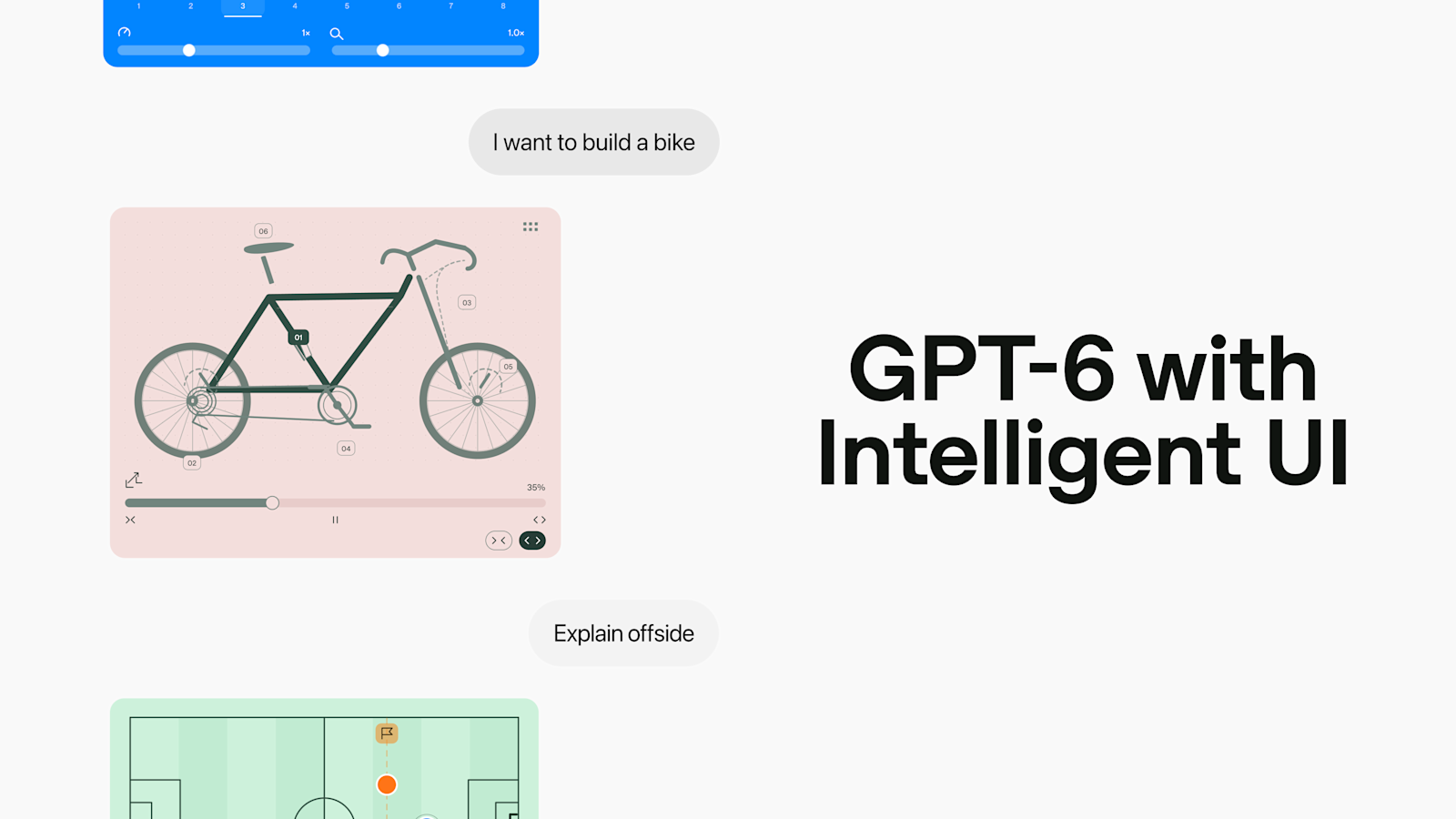
GPT-6 and Intelligent UI for everyone
Web Tiles (by paperpilot.dev) — Semble

Introducing Patchwork-26