Sunlight is said to be the best of disinfectants…
Making our Data and APIs Bigger, Better and More Accessible : Sunlight Foundation
Sunlight is said to be the best of disinfectants…
New technology uses ordinary sunlight to disinfect drinking water
A low-cost, recyclable powder can kill thousands of waterborne bacteria per second when exposed to sunlight. Stanford and SLAC scientists say the ultrafast disinfectant could be a revolutionary advance for 2 billion people worldwide without access to safe drinking water.
Reapplying knowledge on sunscreen and photoprotection: A narrative review
Let it shine: the unexpected benefits of sun exposure on skin
For years we’ve been told to avoid sun to prevent skin cancer. But research suggests a dose of rays can boost your immune system and increase lifespan. We look on the bright side

The Science of Smudging: How Sage Actually Cleans Bacteria In The Air | Spirit Science
The practice of smudging dates back to prehistoric times, and is still very much in use today worldwide for cleansing everything from dwellings to human spirits. However recent research has shed light on the popularity of this activity, revealing that burning certain plant matter actually clears harmful bacteria.

Evaluation of Microwave Steam Bags for the Decontamination of Filtering Facepiece Respirators
Reusing filtering facepiece respirators (FFRs) has been suggested as a strategy to conserve available supplies for home and healthcare environments during an influenza pandemic. For reuse to be possible, used FFRs must be decontaminated before redonning to reduce the risk of virus transmission; however, there are no approved methods for FFR decontamination. An effective method must reduce the microbial threat, maintain the function of the FFR, and present no residual chemical hazard. The method should be readily available, inexpensive and easily implemented by healthcare workers and the general public. Many of the general decontamination protocols used in healthcare and home settings are unable to address all of the desired qualities of an efficient FFR decontamination protocol. The goal of this study is to evaluate the use of two commercially available steam bags, marketed to the public for disinfecting infant feeding equipment, for FFR decontamination. The FFRs were decontaminated with microwave generated steam following the manufacturers' instructions then evaluated for water absorption and filtration efficiency for up to three steam exposures. Water absorption of the FFR was found to be model specific as FFRs constructed with hydrophilic materials absorbed more water. The steam had little effect on FFR performance as filtration efficiency of the treated FFRs remained above 95%. The decontamination efficacy of the steam bag was assessed using bacteriophage MS2 as a surrogate for a pathogenic virus. The tested steam bags were found to be 99.9% effective for inactivating MS2 on FFRs; however, more research is required to determine the effectiveness against respiratory pathogens.

A guide to safe US sunscreens – and the ingredients to avoid
You shouldn’t skimp on sunscreen, but which one should you pick for regular use? Here’s what you need to know

We Need a Revolution in Clean Indoor Air | The Tyee
Why it will take re-engineering, not just medicine, to close the door on COVID.
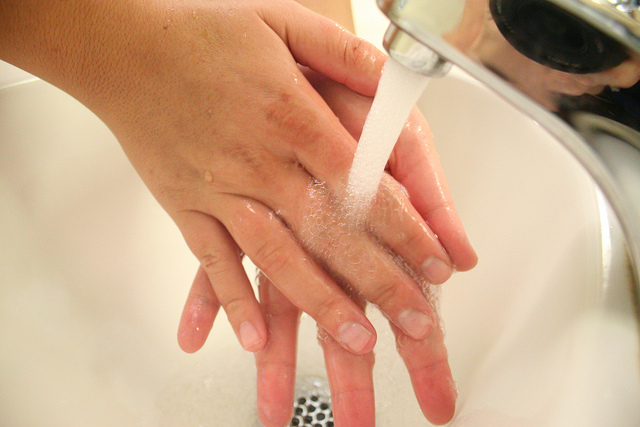
Soap dodger: meet the doctor who says we have been showering wrong
Hand-washing aside, James Hamblin has not used soap for five years. He warns that our obsession with being clean is harming the microbiome that keeps us healthy

Skin Care Ingredient Dictionary | Paula's Choice
Find everything you need to know about the benefits and safety of thousands of skin care and cosmetics ingredients in the world's most well-researched database.
Bacteria farming and Software design. | AntiVJ
This is an article about my creative process behind Paelodictyon, a site specific installation that I developed in collaboration with Yannick Jacquet and Thomas Vaquié. Since this was our first big project integrating Cinder in production from the early stages, and because I used it to create most of the visual content, this post is going to have a big emphasis on creative coding and software development. I’ll try not to get too technical, but still, you’ve been warned, this is a geeky post!
Fixing photosynthesis by engineering it to recycle a toxic mistake
The worst, most important enzyme often uses the wrong chemical. We fixed that.

Mounting data suggest antibacterial soaps do more harm than good
Few pros, but cons include upped risk of infection, microbiome changes, drug resistance.
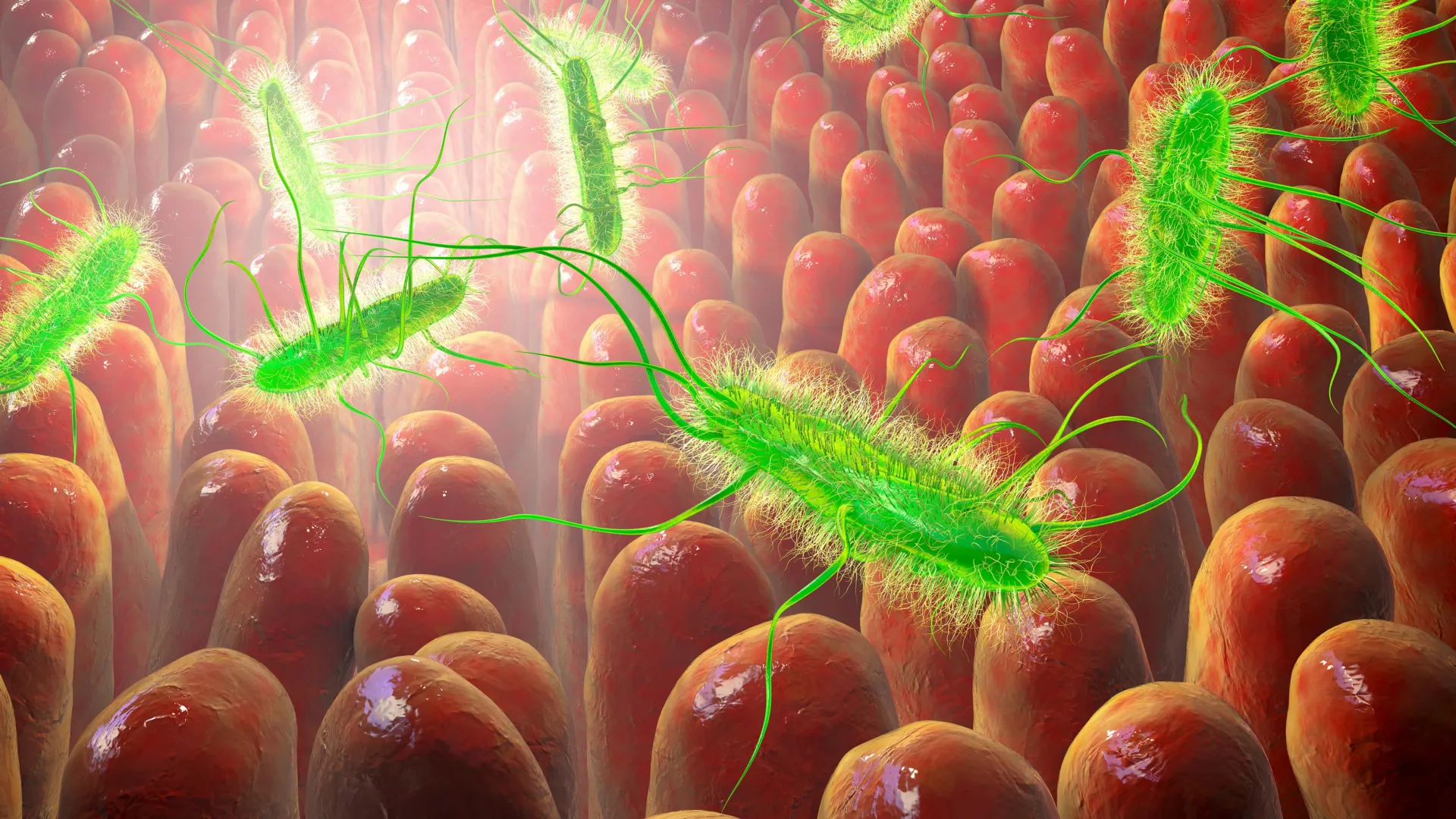
Scientists discover a way to kill dangerous gut bacteria without killing the good
Scientists have discovered a natural compound that targets dangerous C. difficile bacteria without wiping out the gut's beneficial microbes. Successful early tests suggest it could lead to a gentler, more effective treatment for stubborn intestinal infections that frequently return.
Update: Ongoing Investigation and Continued Remediation
Open Source Security Advisory Update: Wednesday, April 1, 2026 Boston, MA 10:00 AM ET Over the past week, we have nearly finalized our investigation and are now in the final stages of documentation and review. There continues to be no indication that Aqua’s commercial products have been affected. As part of this process, we identified …

Delayed discovery, dissemination, and decisions on intervention in environmental health: a case study on immunotoxicity of perfluorinated alkylate substances
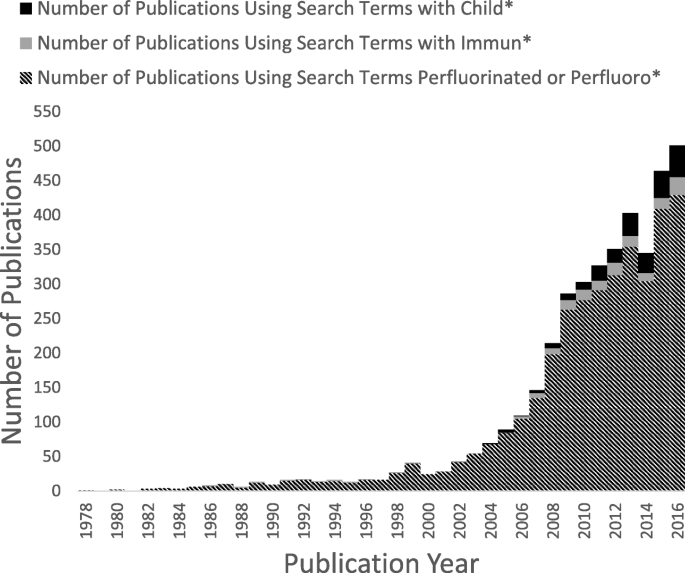
Identification and characterization of environmental hazards that impact human health must rely on the best possible science to inform and inspire appropriate public health intervention. The perfluorinated alkylate substances (PFASs) are persistent emerging pollutants that are now being recognized as important human health hazards. Although the PFASs have been produced for over 60 years, academic research on environmental health aspects has appeared only in the most recent 10 years or so. In the meantime, these persistent chemicals accumulated in the global environment. Some early studies e.g., on population exposures and toxicity, were not released to the public until after year 2000. Still, the first PFAS risk assessments ignored these reports and relied on scant journal publications. The first guidelines and legal limits for PFAS exposure, e.g., from drinking water, were proposed 10 years ago. They have decreased substantially since then, but remain higher than suggested by data on human adverse effects, especially on the immune system, that occur at background exposure levels. By now, the best-known PFASs are being phased out, and related PFASs are being introduced as substitutes. Given the substantial delays in discovery of PFAS toxicity, in dissemination of findings, and in regulatory decisions, PFAS substitutes and other persistent industrial chemicals should be subjected to prior scrutiny before widespread usage.