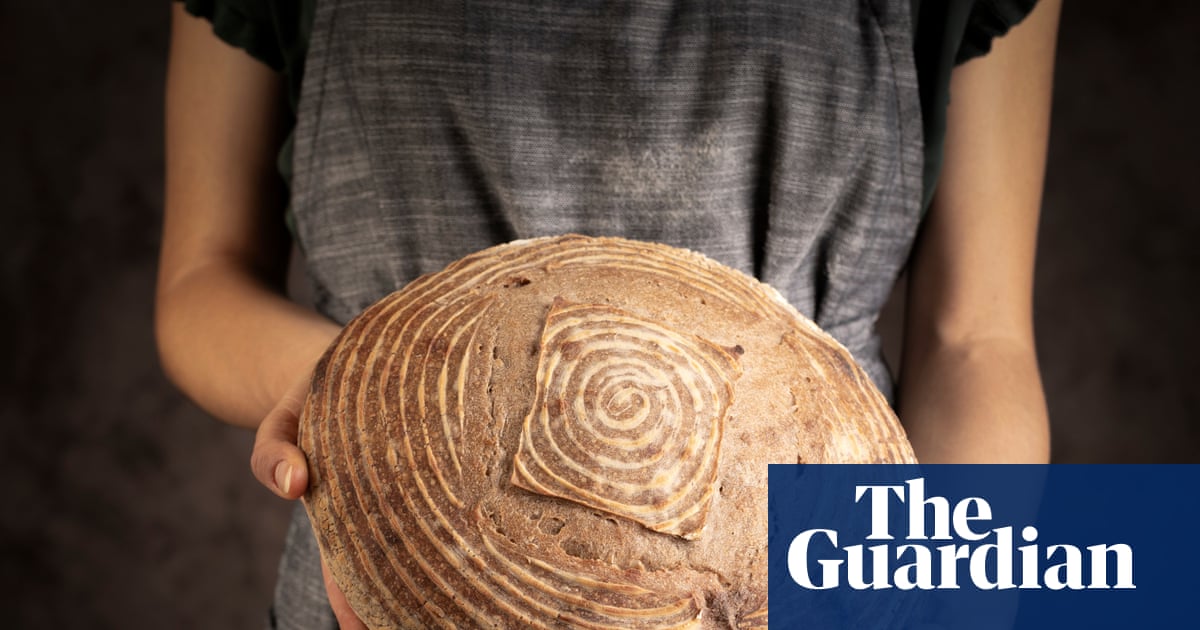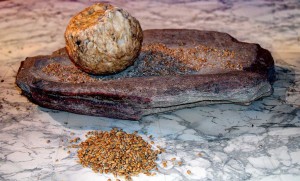
For generations their people had collected the seeds of tall grasses, which they cooked and ate to supplement their diet of foraged fruits, vegetables, and leaves, and hunted game, fish, and seafood.
If you’re a European, your body requires more vegetables and grains
Genome study reveals different human groups evolved to eat specific diets.

Collections: Bread, How Did They Make It? Addendum: Rice!
Thanks to our helpful volunteer narrator, this entire post series is now also available in audio format! As an addendum on to our four-part look at the general structures of the farming of cereal g…

Perennial Grain Revolution - The Land Institute - Join Now
Discover revolutionary perennial grains at The Land Institute. Join our mission for sustainable agriculture today! Visit the site and support our cause.

SoS
Seeds of Science is an organization dedicated to promoting creativity and diversity of thought in science. Founded in September, 2021 by Dr. Dario Krpan (the London School of Economics), Sergey Samsonau (formerly of New York University), and Roger's Bacon (pseudonymous blogger), our first project
Of mice and men, cats and grains
When hunter-gatherers started to settle, they created new ecological niches for rodents, which could become a problem as soon as the residents started to grow cereals and wanted to store grains. Cats took over the pest control job to the extent that humans began to appreciate their presence and spread them around the world, along with their cereals and mice. Bioarchaeology and genetic studies are now beginning to reveal the origins of this curious and now ubiquitous ecological constellation. Michael Gross reports.
Plant-based diets crucial to saving global wildlife, says report
Vicious circle of cheap but damaging food is biggest destroyer of nature, says UN-backed report
Collections: Bread, How Did they Make it? Part III: Actually Farming
Thanks to our helpful volunteer narrator, this entire post series is now also available in audio format! As the third part (I, II, III, IV, A) of our look at the basic structure of food production …

How Food Powers Your Body
Metabolism, which unleashes the energy in what you eat, may be nature’s most electrifying invention.

Sustainable Agriculture and Environment
In the Sustainable Agriculture and Environment program, you’ll learn how to produce food in a way that protects our soils, water and air.
Dig for victory
Modern-day food systems are implicated in the biggest challenges our planet and people face. They are responsible for one-quarter to one-third of human-made greenhouse gases. And while plenty of food is produced, much of it is wasted, and millions go hungry. Although a burgeoning food movement is beginning to address some of these climate and inequality issues, the emergency we face requires nothing less than major structural change, some of which will need to be mandated.

Enough with 'local' and 'organic'. We'll begin to eat well when we farm well | James Rebanks
We need to know how and where our food is grown and thereby take more responsibility for the planet
Berry Seeds
Berry bushes! Berry trees! Strawberry seeds! Berries to feed the birds! Here is where you'll find seeds to grow them all. Happy snacking! ----------------------------------------------------- While you're giddily browsing & dreaming up your ideal foodscape, don't forget to brush up on your Tree Seed lore in our o

New study found the importance of dietary fiber: isn’t just the easier pooping but fermentable fiber -dietary carbohydrates that the human gut cannot process on its own but some bacteria can digest- is also an essential source of nutrients that your gut microbes need to stay healthy
28K votes, 1.2K comments. 35M subscribers in the science community. This community is a place to share and discuss new scientific research. Read…
Iowa Crops Look Like Food — But No One’s Eating
Inside a system that traps farmers, and screws up the planet

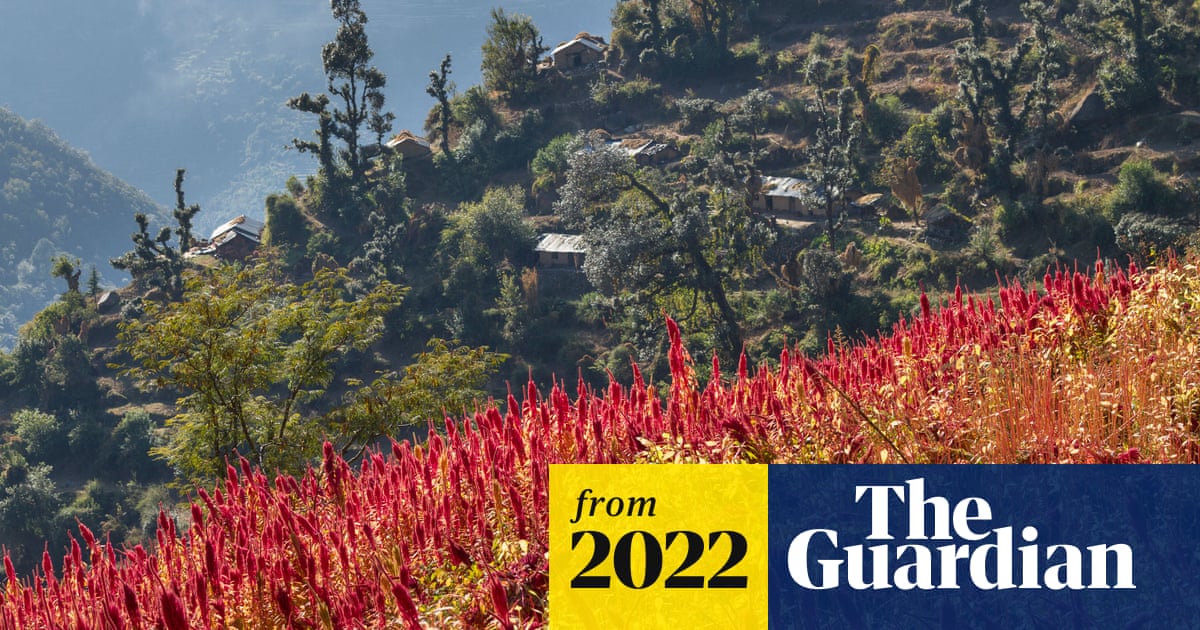
Diet for a hotter climate: five plants that could help feed the world
As the planet warms, these five drought-tolerant and highly nutritious crops offer hope for greater resiliency
‘Soil is more important than oil’: inside the perennial grain revolution
Scientists in Kansas believe Kernza could cut emissions, restore degraded soils and reshape the future of agriculture