


Having worked for a project that was part of the Bulgarian e-government in the past, I have a good overview of what and how can and should be implemented inContinue reading
Open Source for the Government [presentation] - Bozho's tech blog
A month ago I gave a talk at OpenFest (a Bulgarian conference for open technologies). The talk was in Bulgarian, but I’ve translated the slides, so here they are. Currently,Continue reading
'Government as a data model' : what I learned in Estonia
I’ve just got back from a few days in the Republic of Estonia, looking at how they deliver their digital services and sharing stories of some of the work we are up to here in the UK. We have an …

A Software Engineer As a High-Level Government Adviser - Bozho's tech blog
Two months ago I took the job of adviser to the cabinet of the deputy prime minister of my country (the Republic of Bulgaria, an EU member). And I’d likeContinue reading
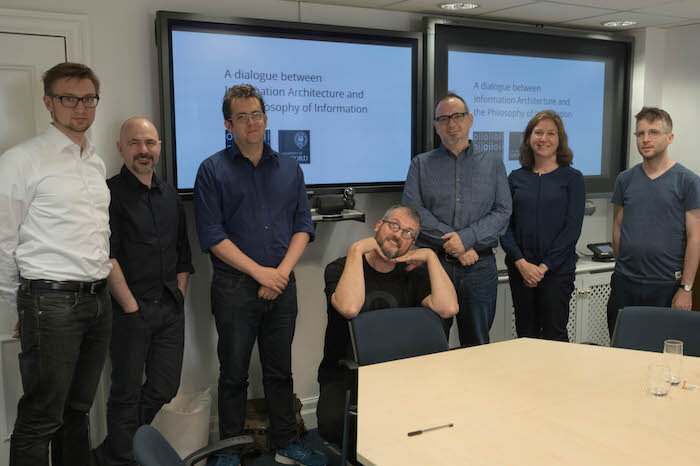
Information Architecture meets the Philosophy of Information - The Policy and Internet Blog
Advancing the practical and theoretical basis for how we conceptualise and shape the infosphere.
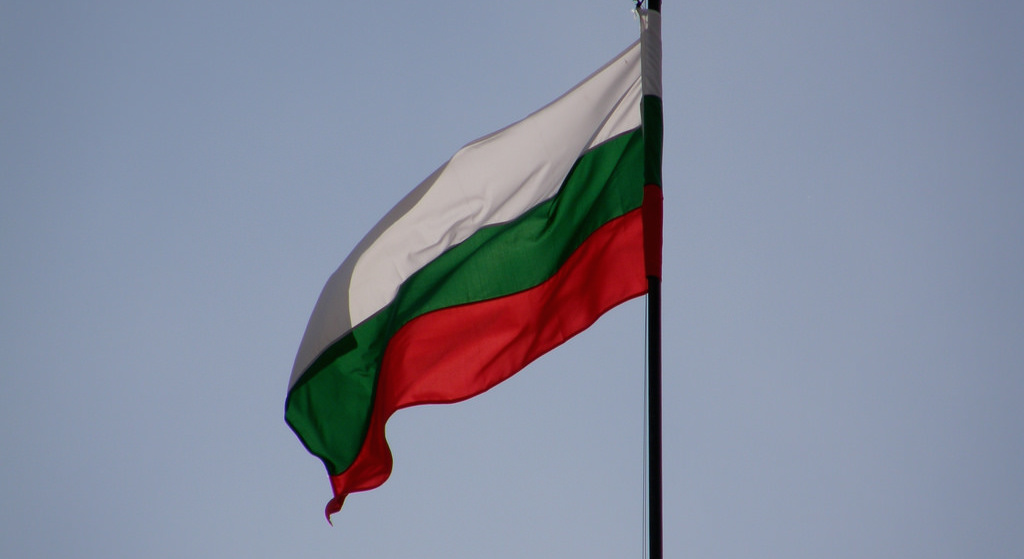
Bulgarian Government Now Requires Custom Software to be Open Source
The Bulgarian government has just passed an amendment to its Electronic Governance Act that mandates all custom software created for the government must be open source. The amendment was voted on i…
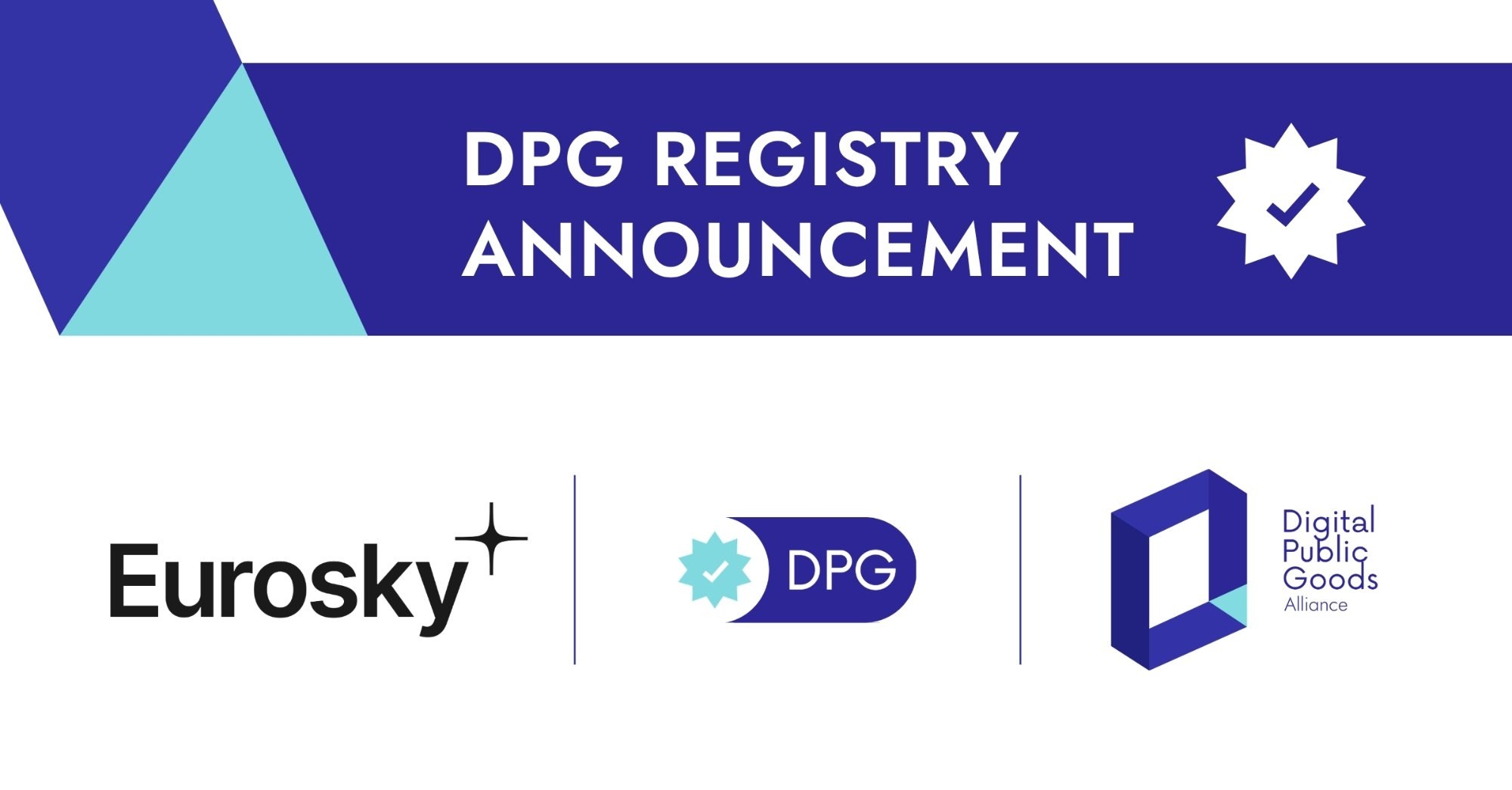
The Eurosky Identity Platform is now a Digital Public Good - Eurosky
Eurosky is a European initiative to build and operate sovereign social web infrastructure
Constitutional agents for online governance – Writings and rehearsals by Nathan Schneider
In this reflection, I want to share an about-face I’ve been having in the strategy for defeating “implicit feudalism” with “governable stacks.” Both of these concepts are described in depth in my book Governable Spaces. Implicit feudalism is the widespread tolerance of highly centralized, low-accountability forms of governance in online communities, from big platforms to little group chats. Governable stacks are efforts to build socio-technical systems that can be co-governed by their participants in diverse and accountable ways.

Transparency Centre — Eurosky
Eurosky is a European initiative to build and operate sovereign social web infrastructure
The Specification Is Not a Document - The Phoenix Architecture
Imagine joining a software project a few years from now. It is a large, mature system. It has thousands of business rules, years of operational experience,…
About Eurosky
Eurosky is a European initiative to build and operate sovereign social web infrastructure
EYG news: Strong foundations, a blog post and a conference talk.
Updates from the development of the EYG language and structural editor.

Scoping report: Future challenges to democracy | CoP CC on Participatory and Deliberative Democracy
The report from the European Commission identifies 10 key challenges and emerging trends impacting European democratic systems and suggests future policy options. These challenges are structured across three interconnected levels: citizens and societal dynamics, the information and knowledge environment, and institutions and the democratic system. This framework aims to provide a comprehensive and integrated view of democracy as a connected ecosystem, emphasising how challenges in one area can affect the entire system.

Eurosky – The social internet, rebuilt in Europe
Eurosky is a European initiative to build and operate sovereign social web infrastructure
We’re pleased to announce that we’ll be working with @eurosky.social to help to define and develop open social web infrastructure for the AT Protocol! igalia.com/2026/03/18/Advancing-the-AT-P…

Advancing the AT Protocol in Partnership with Eurosky | Igalia
www.igalia.comEuropean Union Information Technology

European Age Verification Solution

The Age-Verification Trap
