

Don't fall for the deceitful illusion that monopolies hijacking what they've dubbed the
Open Source is Not Enough
by James Halliday // The open source movement has fundamentally changed how software gets written. But in the process, corporations have been given a vast gift of free labor.
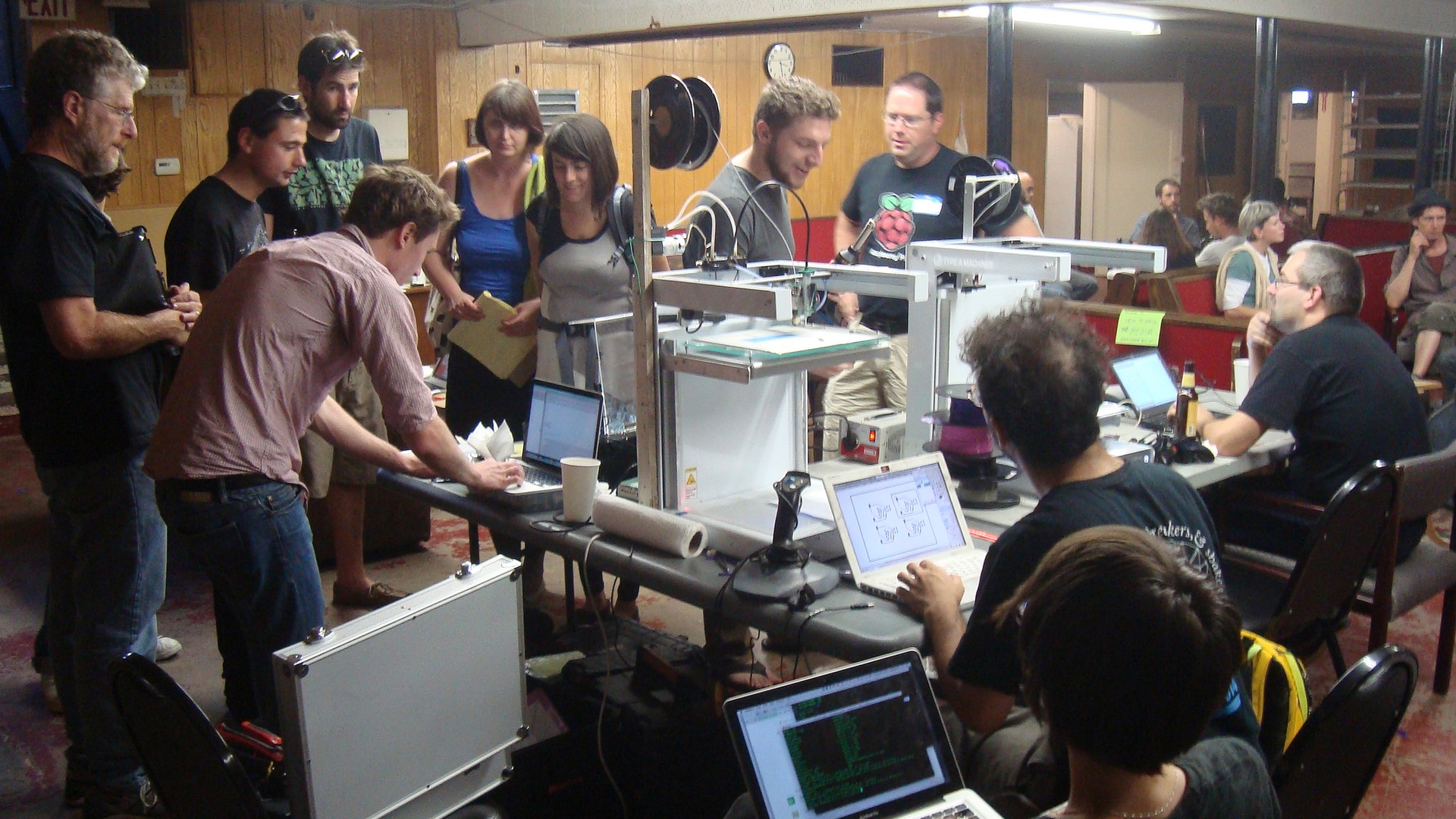
Open source is 20: How it changed programming and business forever
"The reward of victory is often another set of battles."
Open Source is Broken
The Open Source movement, as championed by the OSI, prizes absolute openness above all other concerns...
Open Source is Broken
The Open Source movement, as championed by the OSI, prizes absolute openness above all other concerns...
When Free Software Isn't (Practically) Superior - GNU Project - Free Software Foundation
The Open Source Initiative's mission statement reads, “Open source is a development method for software that harnesses the power of distributed peer review and transparency of process. The promise of open source is better quality, higher reliability, more flexibility, lower cost, and an end to predatory vendor lock-in.”
Time for Net Giants to Pay Fairly for the Open Source on Which They Depend | Linux Journal
Licensing lies at the heart of open source. Arguably, free software began with the publication of the GNU GPL in 1989. And since then, open-source projects are defined as such by virtue of the licenses they adopt and whether the latter meet the Open Source Definition. The continuing importance of licensing is shown by the periodic flame wars that erupt in this area. Recently, there have been two such flarings of strong feelings, both of which raise important issues.
Open Source Has Not Failed. Don't Cover Up Corporate Abuse of Open Source
Open source's free licensing does not drive inequality. Corporate's lack of support for open source does drive inequality.

Why Open Source Software / Free Software (OSS/FS, FOSS, or FLOSS)? Look at the Numbers!
This paper provides quantitative data that, in many cases, open source software / free software is equal to or superior to their proprietary competition. The paper examines market share, reliability, performance, scalability, scaleability, security, and total cost of ownership; it also comments on non-quantitative issues and unnecessary fears.
Open Source Is Eating The Software World
It's been said software is eating the world. This year’s Future of Open Source survey points to the fact that open source is eating the software world.

Open source software companies that go proprietary: A timeline | TechCrunch
Tracking open source software companies that have gone proprietary over the past 10 years: A timeline.

Open Source Doesn’t Make Money Because It Isn’t Designed To Make Money
We all know the story: you can’t make money on open source. Is it really true?
The Money In Open-Source Software | TechCrunch
It’s no secret that open-source technology -- once the province of radicals, hippies and granola eaters -- has gone mainstream. According to industry estimates, more than 180 young companies that give away their software raised roughly $3.2 billion in financing from 2011 to 2014. Despite the growing popularity of open-source software, though, many open-source companies are not financially healthy.

34 Top Open Source Software Companies
Exploring open source companies for 2024? Discover the leading firms championing open-source solutions.
How open-source software took over the world | TechCrunch
It was just five years ago that there was an ample dose of skepticism from investors about the viability of open source as a business model. Fast-forward to today and we’ve witnessed the growing excitement in the space.
I hate the term “open source”
It doesn’t accurately reflect how people are building today anymore.
