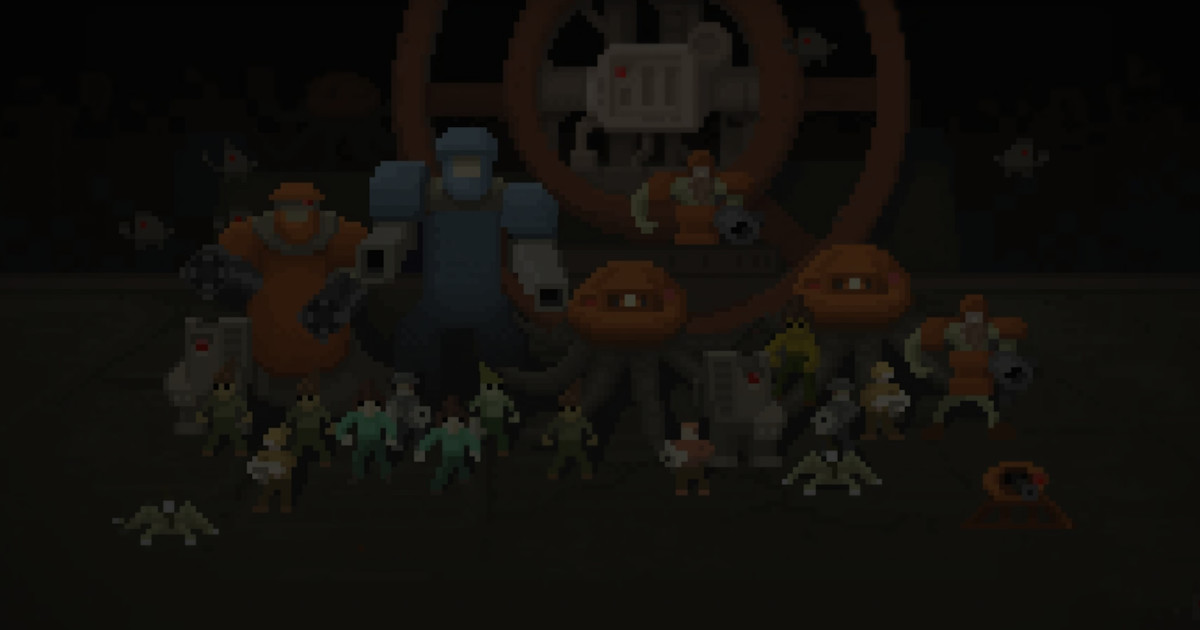
In a cold, dark future dominated by mega-corporations, a small lonely planet on the edge of habitable space is the site of a shadowy research facility…
Dark Futures: Dark Data by Nick Black
A guide to Virtual Beings and how they impact our world | TechCrunch
Money from big tech companies and top VC firms is flowing into the nascent “virtual beings” space. Mixing the opportunities presented by conversational

Telepath: building a new kind of computer
So, we made a thing: Let’s back up: for as long as I can remember, I’ve been obsessed with computers, fascinated not just by what they can do but what they could become. Like many, I took my early inspiration from science fiction. I dreamed of someday having something like the Enterprise’s computer. And why not? Science fiction has always driven scientists, engineers, and inventors to create real things that change the world.
The Future Is Too Easy | Defector
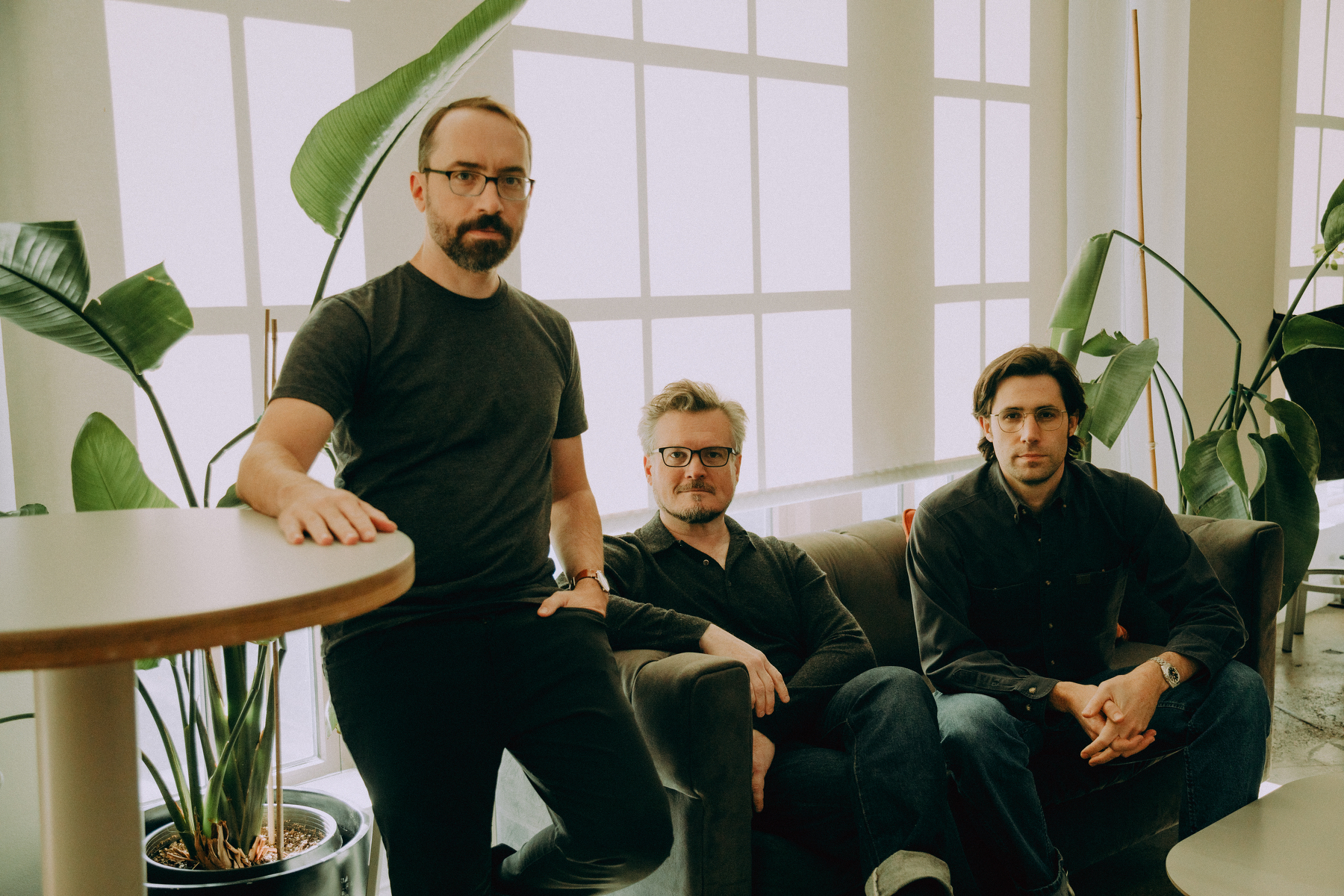
LAS VEGAS — There is something unstable at the most basic level about any space with too much capitalism happening in it. The air is all wrong, there’s simultaneously too much in it and not enough of it. Everyone I spoke to about the Consumer Electronics Show before I went to it earlier this month…

We Build On Hope @ PublicSpaces Conference 2026
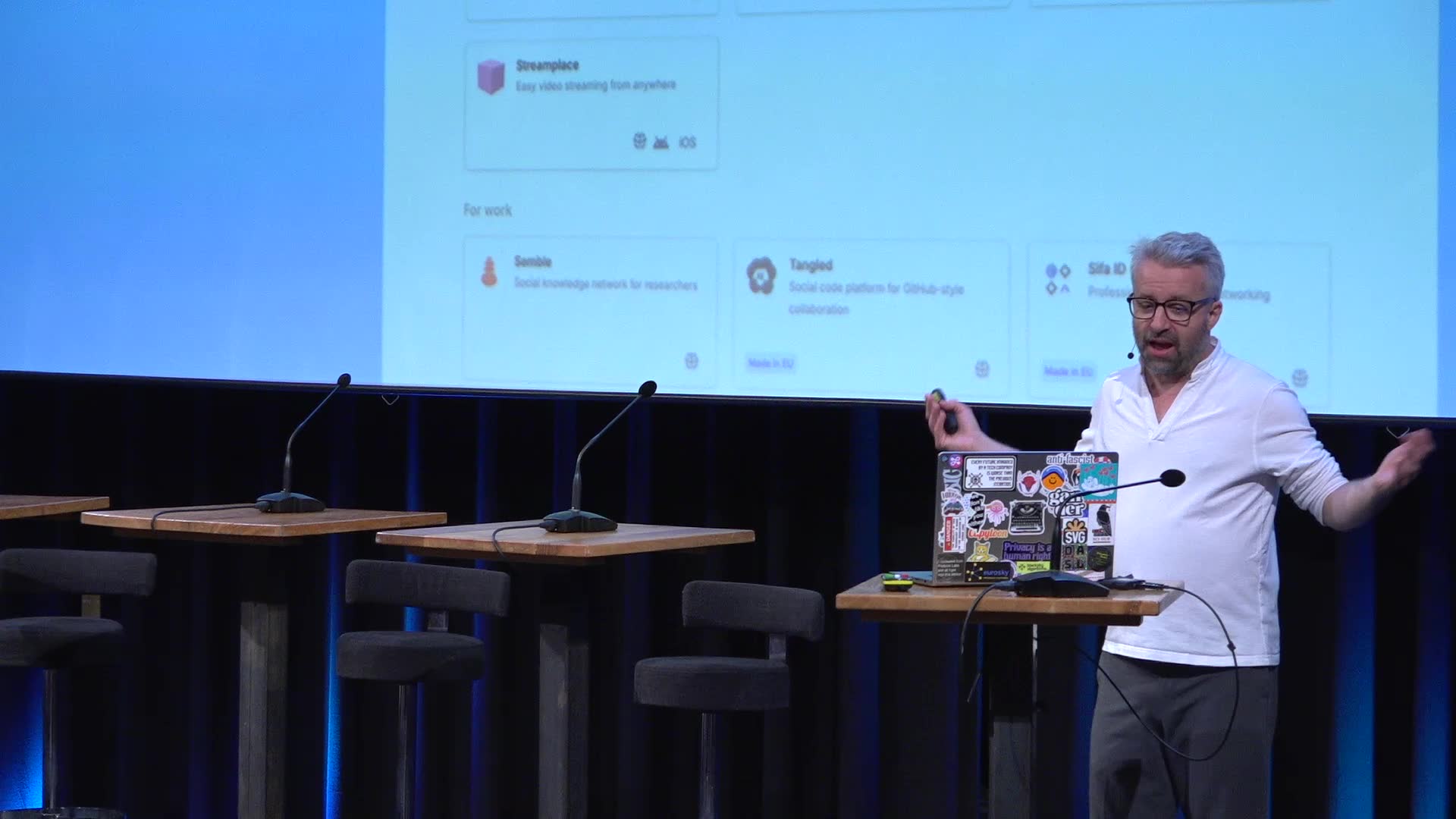
Keynote by Robin Berjon The current state of tech can feel disheartening. Years of critical analysis and reform efforts have left us with a digital sphere that seems worse than ever. In Europe, our...
other futures: tech, resistance & imagining otherwise
big tech wants to control our future, but there are other paths we can choose instead. on "other futures" we bring together leading tech researchers, organizers, critics, and storytellers to help us imagine what more liberatory and human-centered tech futures could look like—and how we can build them together. brought to you by DAIR and the All Tomorrows Institute.
The Next Great (Digital) Extinction
How today's internet is rapidly and indifferently killing off many systems while allowing new types of organizations to emerge.

Space Exploration and the Age of the Anthropocosmos
The new generation of space architects can learn from our successes and failures in protecting the internet commons and build a better paradigm for space.

Behind the curtain: what it feels like to work in AI right now (April 2023)
Fear, FOMO, and the scientific exodus driven by ChatGPT
Silicon Valley, disruption, and the end of uncertainty
This paper reflects on the relationship between high-tech disruption narratives and uncertainty. My main argument is that an economic sociology of the future is incomplete without addressing the ‘d...

Rewire: Digital Cosmopolitans in the Age of Connection
A rousing call to action for those who would be citizens of the world―online and off. We live in an age of connection, one that is accelerated by the Internet. This increasingly ubiquitous, immensely powerful technology often leads us to assume that as the number of people online grows, it inevitably leads to a smaller, more cosmopolitan world. We’ll understand more, we think. We’ll know more. We’ll engage more and share more with people from other cultures. In reality, it is easier to ship bottles of water from Fiji to Atlanta than it is to get news from Tokyo to New York. In Rewire, media scholar and activist Ethan Zuckerman explains why the technological ability to communicate with someone does not inevitably lead to increased human connection. At the most basic level, our human tendency to “flock together” means that most of our interactions, online or off, are with a small set of people with whom we have much in common. In examining this fundamental tendency, Zuckerman draws on his own work as well as the latest research in psychology and sociology to consider technology’s role in disconnecting ourselves from the rest of the world.For those who seek a wider picture―a picture now critical for survival in an age of global economic crises and pandemics―Zuckerman highlights the challenges, and the headway already made, in truly connecting people across cultures. From voracious xenophiles eager to explore other countries to bridge figures who are able to connect one culture to another, people are at the center of his vision for a true kind of cosmopolitanism. And it is people who will shape a new approach to existing technologies, and perhaps invent some new ones, that embrace translation, cross-cultural inspiration, and the search for new, serendipitous experiences.Rich with Zuckerman’s personal experience and wisdom, Rewire offers a map of the social, technical, and policy innovations needed to more tightly connect the world.

The people paid to spot risks see high chance of ‘global catastrophe’ within 10 years | CNN Business
Humanity faces a perilous future, marked by an explosion of disinformation turbocharged by artificial intelligence and the devastating effects of climate change.

Institute of Network Cultures | Ben Grosser: Planning the Exodus from Platform Realism
Thinking about the current state of platforms, I’m reminded of Mark Fisher’s articulation of capitalist realism, the idea that we don’t imagine or build alternatives to capitalism because we can no longer envision a world without it. Big tech, in a few short years, has managed to instill within the public a similar state of platform realism. So many are unable to imagine how global communication, media, search, etc. could ever function without the platforms. Despite a growing malaise, it’s become difficult for many to consider a world without big tech platforms as a viable conception of the future.

The World Doesn’t Exist: William Gibson, William Blake, and Navigating an Algorithmic Hall of Mirrors | ODDCRITIC
Scrolling the TL revealed distorted realities, shaped by algorithms and biases.

ATmosphere Report #147 - Year's end reflections - Connected Places
Some themes I'm watching for 2026: censorship resistance, the politics of interoperable spaces, and who gets to shape how atproto talks about itself.
Decent Imaginaries
The digital sphere appears to be at an inflection point and we need to imagine what comes next as this era rots and burns. Imagining a renewed, decentralised world is difficult, but we can pull it off.