

I became interested with the topics of privacy and internet user rights more than 20 years ago in my native Finland, which at the time was toted as the first information society in the world. I was one of the first commercial internet developers, and became fascinated with the user data aspect of the internet the moment I saw awstats for the first time. It was an early server-log based web analytics solution, in the time when there were no tracking tag based solutions available. The idea of allowing 3rd-party tags on websites came later. Today it is not hard to find premium websites with more than 100 such 3rd-party tags.
Privacy vs. Profit: The Impact of Google's Manifest Version 3 (MV3) Update on Ad Blocker Effectiveness
Google's recent update to the manifest file for Chrome browser extensions, transitioning from manifest version 2 (MV2) to manifest version 3 (MV3), has raised concerns among users and ad blocker providers, who worry that the new restrictions, notably the shift from the powerful WebRequest API to the more restrictive DeclarativeNetRequest API, might reduce ad blocker effectiveness. Because ad blockers play a vital role for millions of users seeking a more private and ad-free browsing experience, this study empirically investigates how the MV3 update affects their ability to block ads and trackers. Through a browser-based experiment conducted across multiple samples of ad-supported websites, we compare the MV3 to MV2 instances of four widely used ad blockers. Our results reveal no statistically significant reduction in ad-blocking or anti-tracking effectiveness for MV3 ad blockers compared to their MV2 counterparts, and in some cases, MV3 instances even exhibit slight improvements in blocking trackers. These findings are reassuring for users, indicating that the MV3 instances of popular ad blockers continue to provide effective protection against intrusive ads and privacy-infringing trackers. While some uncertainties remain, ad blocker providers appear to have successfully navigated the MV3 update, finding solutions that maintain the core functionality of their extensions.

Ads and Ad blockers
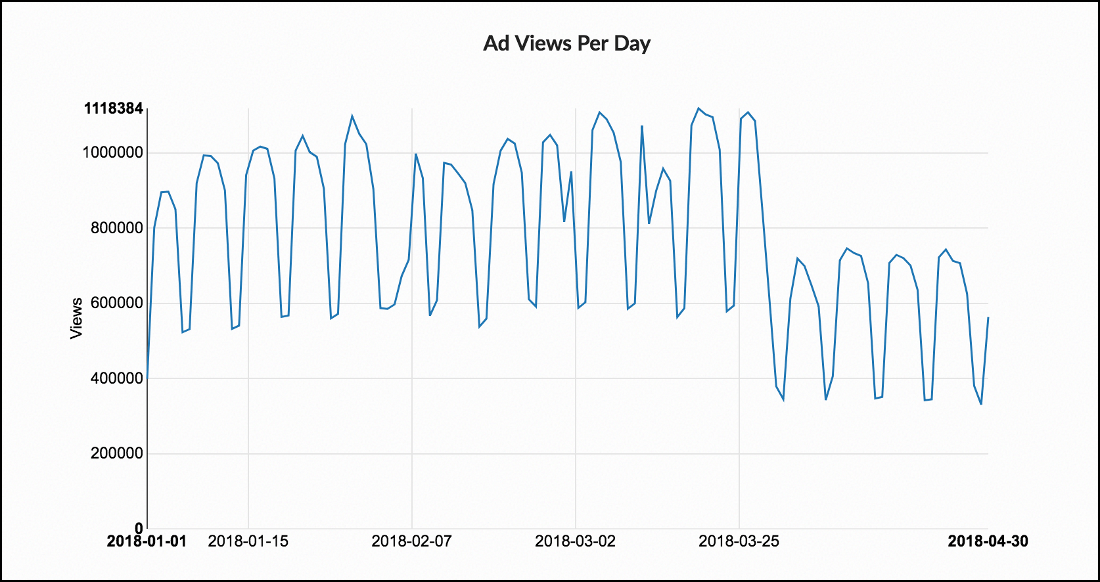
Last time, we shared how ethical advertising works to keep Read the Docs sustainable without creepy ad targeting. This time, we will share about one of our biggest challenges with advertising. At the beginning of April, Read the Docs was added to one of the most popular ad block lists: the Easyli...
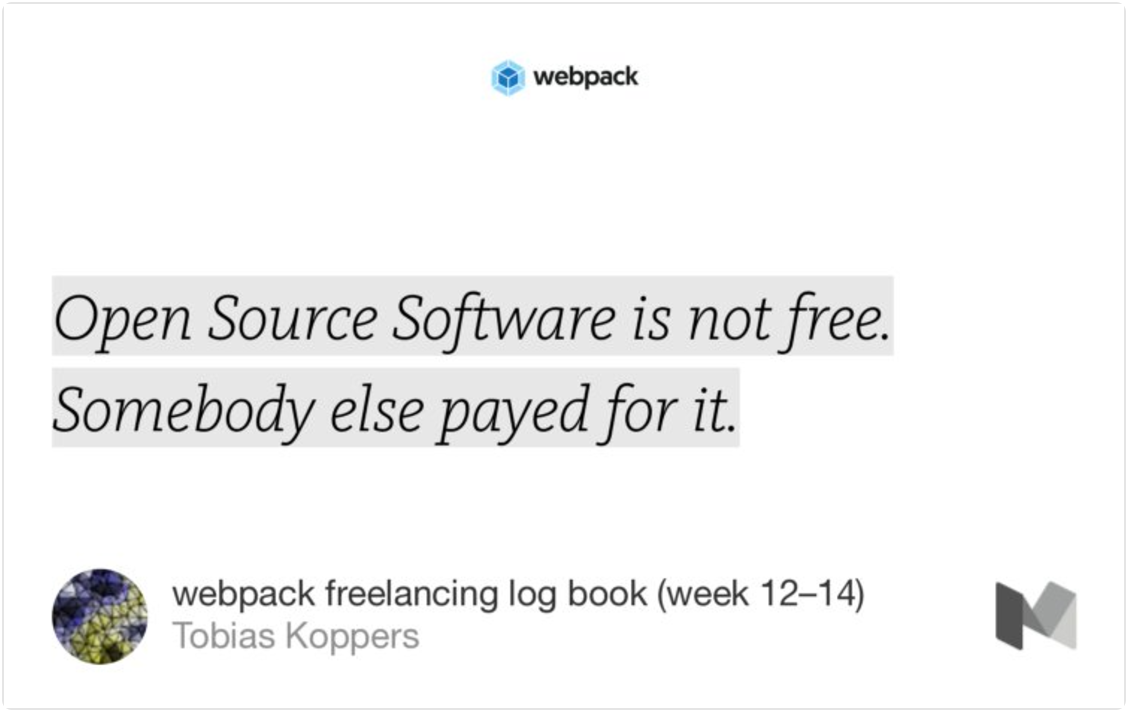
Using Ads to Sustain Open Source
Why someone who loves Privacy Badger, uses a non-tracking browser, and never cared for ads, is advocating their ethical use for open…
uBlock Origin - Free, open-source ad blocker extension
uBlock Origin is a free, open-source ad blocker extension and content blocker. Block ads on YouTube, Twitch, and across the web with low CPU and memory usage. Available for Firefox, Edge, Opera, and Chrome via uBlock Origin Lite.

Mozilla's Vision for a Healthy, Sustainable Web | The Mozilla Blog
Not surprisingly, the latest discussions around content blocking have resulted in a polarizing debate about the users who choose to block content as a way

SLAP and FLOP: Apple's Lack of Full Site Isolation and iOS Browser Ban Puts Users at Risk - Open Web Advocacy
TL:DR; Yet again Apple’s ban on third-party browser engines weakens security rather than strengthens it.
Why Stack Overflow Doesn’t Care About Ad Blockers - Stack Overflow
Hi! I’m Steve Feldman, Senior Ad Ops Manager at Stack Overflow. My whole life I’ve been fascinated by advertising. Even as a kid, I wondered what a company was trying to tell me by using one word instead of another in an ad. Over time, I developed a strong (read: subjective) opinion of what makes an ad ’good,’ and what makes an ad ’bad.’ It took me many years-- in fact, it wasn’t until joining the Ad Sales team at Stack Overflow-- to finally figure out that the common thread shared by the best ads is relevance. Maintaining that relevance is how we’ve managed to avoid one of the biggest issues facing publishers today: ad blocking.

Beware online "filter bubbles" | Eli Pariser
Self-host analytics for better privacy and accuracy
Something that always annoyed me of the current state of technology is how easy and pervasive we let tracking become. Tens of connections to 3rd parties carrying Referer and Cookies just to load an article. (We give up our users to social media websites just to show a like button that looks worse anyway in a iframe than it would natively, wtf.) But I digress.

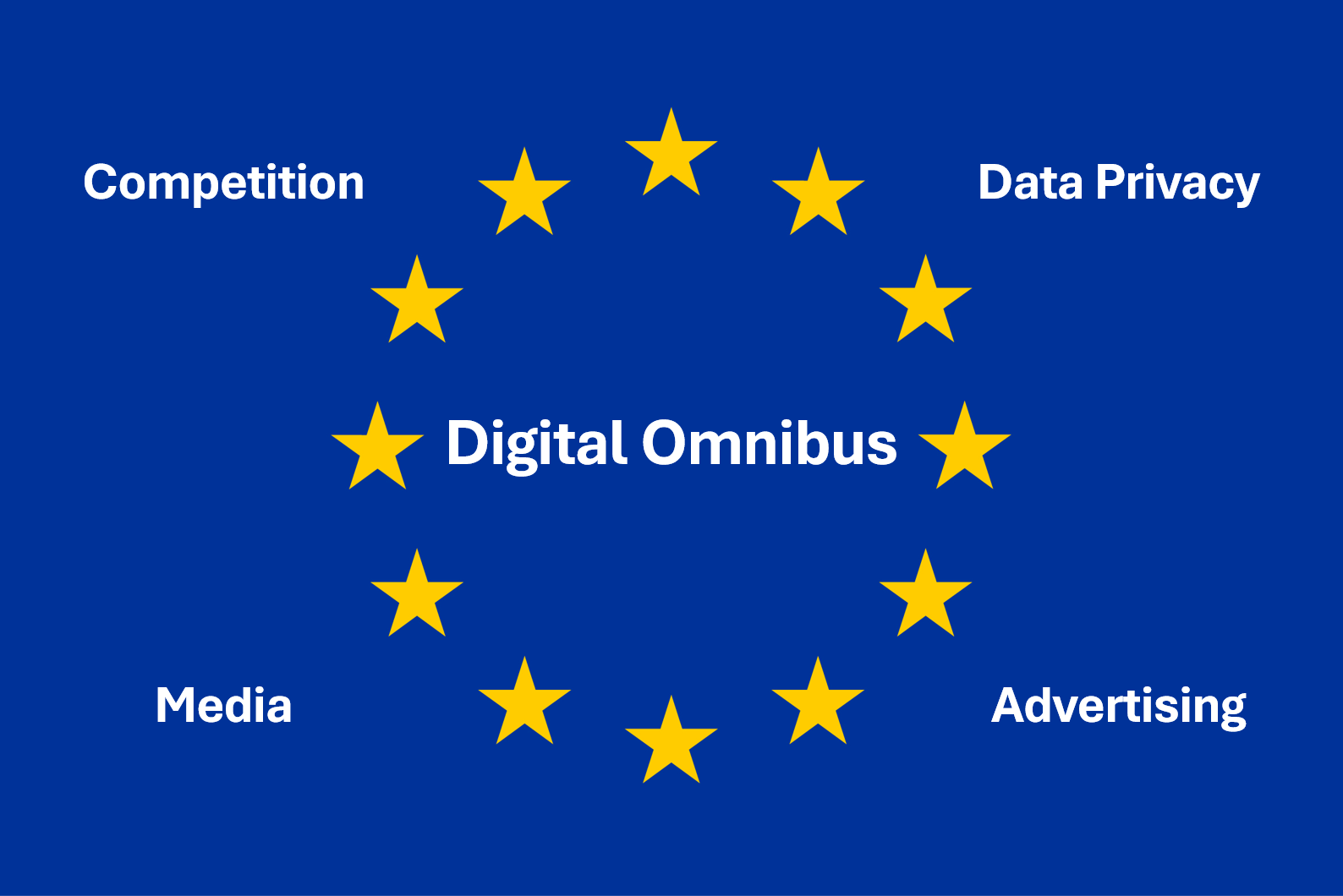
Digital Omnibus: What Would it Mean for Competition and Privacy in Advertising? - The Platform Law Blog
In November 2025, the European Commission (“Commission”) proposed a “Digital Omnibus” regulation to amend several EU legislations.[1] Although presented as a simplification exercise to strengthen Europe’s competitiveness, the proposal revisits key provisions of the General Data Protection Regulation (GDPR) and the e-Privacy-Directive concerning the use of personal data, including for advertising purposes. The changes could […]
For You, For Everyone - Graze Newsletter
How Graze built a "composable personalization" engine for the open social web — and why it matters right now.
For You, For Everyone - Graze Newsletter
How Graze built a "composable personalization" engine for the open social web — and why it matters right now.
Social Media Ban Repository - Bart Preneel, KU Leuven | Social Media Ban Repository | Episode 3
Bart Preneel, professor of applied cryptography & privacy at KU Leuven, explains why age verification and age assurance measures aimed at restricting children’s access to online services may seem appealing but are ultimately fragile, easily bypassed, and risky for privacy and security. He argues...

60,000,000 Clicks for Copyright Reform | The Mozilla Blog
More than 100,000 people—and counting—are demanding Internet-friendly copyright laws in the EU 60,000,000 digital flyers. 117,000 activists. 12,000

🦫 alert! We published the second episode of "Teach the Web new Tricks", featuring native support for @atproto.com ! Learn more how we improve user agency and privacy at webbeef.org/atproto.html : - Native at:// protocol support. - Log in your PDS and forget OAuth ! - Authorize 3rd parties
