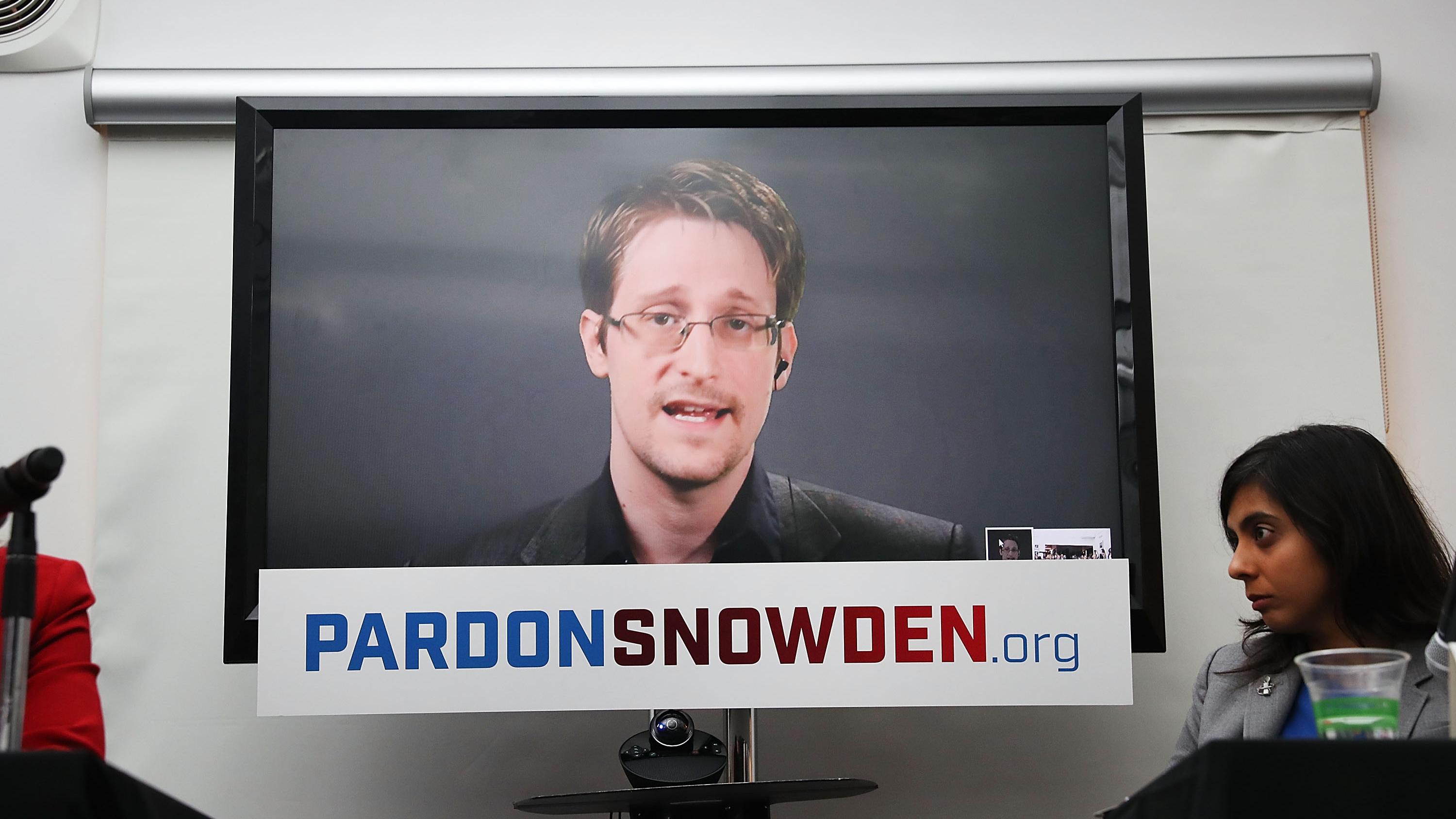
He let Americans evaluate omniscient domestic surveillance for themselves
Edward Snowden makes 'moral' case for presidential pardon
Exclusive: Whistleblower says citizens have benefited from his disclosure in 2013 of US and UK government surveillance
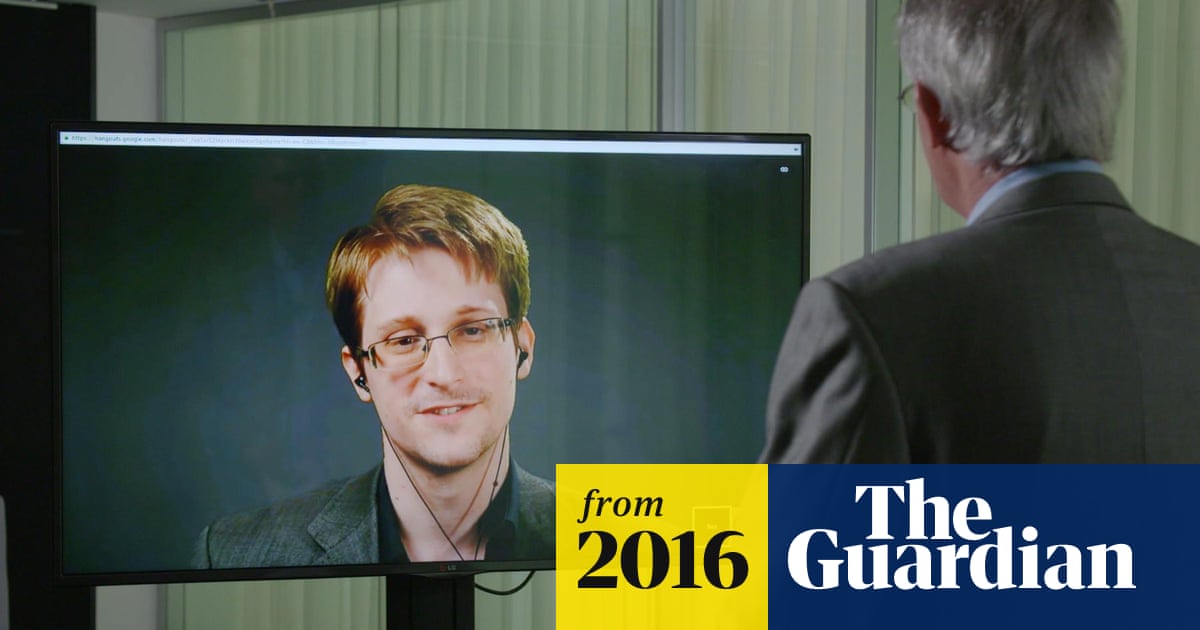
Permanent record
"In 2013, twenty-nine-year-old Edward Snowden shocked the world when he broke with the American intelligence establishment and revealed that the United States government was secretly pursuing the means to collect every single phone call, text message, and email. The result would be an unprecedented system of mass surveillance with the ability to pry into the private lives of every person on Earth. Six years later, Snowden reveals how he helped to build this system and why he was moved to expose it. Spanning the bucolic Beltway suburbs of his childhood and the clandestine CIA and NSA postings of his adulthood, Permanent Record is the account of a bright young man who grew up online - a man who became a spy, a whistleblower, and, in exile, the Internet's conscience."--Jacket

Tell Congress to Say No to Warrantless AI Mass Surveillance
The War on Terror-era legislation that authorized decades of civil liberties-eroding mass surveillance expired June 12. . Congress has a choice to make before they reauthorize this bill: will they greenlight warrantless mass surveillance of American citizens, or uphold the Constitution and prevent more of Trump's authoritarian powergrabs? Section 702 of the Foreign Intelligence Surveillance Act (FISA) was passed in 2008 as a counterterrorist measure, but has a long history of abuse from the federal government, especially when it comes to surveillance. Congress has a choice to make: Will they greenlight warrantless mass surveillance, or hold the line and reject any effort to move forward without serious privacy guardrails. FISA as it is currently written: Allows warrantless backdoor surveillance of people in and out of the country Offers little to no protections against the administration targeting critics, activists, religious minorities, or communities of color Actively chills our freedoms of speech and association Two years ago, this reauthorization legislation sailed through Congress with bipartisan support. That can’t happen again. Democratic leadership and members must hold the line for our civil liberties. And any Democrat or Republican voting for unfettered spying on US citizens should hear from their constituents. Let your Members of Congress know you expect them to reject reauthorization unless it includes significant reforms to protect our civil liberties against this authoritarian regime.
The Ex-Google Hacker Taking on the World's Spy Agencies
Morgan Marquis-Boire is the director of security for First Look Media, the most prolific publisher of Edward Snowden's remaining secrets. His daunting task is to safeguard those documents, as well as the communications of reporters with perhaps the press's most adversarial relationships with Western intelligence agencies.

How 9/11 changed the way America surveils its citizens • Stateline
The terrorist attacks of Sept. 11, 2001, transformed how American intelligence and law enforcement agencies collect, share and analyze information. Twenty-five years later, that infrastructure has merged with a digital world capable of generating vast amounts of data about Americans — and artificial intelligence is making it easier to connect and analyze that information. The result is a surveillance system far more powerful than anything imaginable in 2001, raising new questions about privacy, policing and civil liberties.

Privacy under attack: the NSA files revealed new threats to democracy
We now know the apparatus of repression has been attached to the democratic state, but our struggle for privacy is far from hopeless. By Eben Moglen
The WIRED Guide to Protecting Yourself From Government Surveillance
Donald Trump has vowed to deport millions and jail his enemies. To carry out that agenda, his administration will exploit America’s digital surveillance machine. Here are some steps you can take to evade it.
Forget the FBI cache; the Podesta emails show how America is run | Thomas Frank
WikiLeaks’ dump of messages to and from Clinton’s campaign chief offer an unprecedented view into the workings of the elite, and how it looks after itself

Pluralistic: Surveillance vs guillotines (11 Aug 2026) – Pluralistic: Daily links from Cory Doctorow
In the summer of 2013, two esoteric, technical, incredibly important texts were published within weeks of one another: the first is the Snowden leaks, which revealed a system of global, pervasive digital surveillance; the second was Thomas Piketty's Capital in the 21st Century, a book about the economic inevitability (and political instability) of oligarchy:
Pluralistic: Surveillance vs guillotines (11 Aug 2026) – Pluralistic: Daily links from Cory Doctorow
In the summer of 2013, two esoteric, technical, incredibly important texts were published within weeks of one another: the first is the Snowden leaks, which revealed a system of global, pervasive digital surveillance; the second was Thomas Piketty's Capital in the 21st Century, a book about the economic inevitability (and political instability) of oligarchy:
Transcript of Edward Snowden's comments at IETF93.
Transcript of Edward Snowden's comments at IETF93. · GitHub

NYPD Muslim spying led to no leads, terror cases | The Associated Press
NEW YORK (AP) — In more than six years of spying on Muslim neighborhoods, eavesdropping on conversations and cataloguing mosques, the New York

We Hunted Hidden Secret Police Signals at the DNC in Chicago
The US is a secret police state. Using special software, WIRED collected signals from nearly 300,000 devices, revealing vulnerabilities for both law enforcement and everyday citizens alike.
We Shouldn’t Wait Another Fifteen Years for a Conversation About
With high-profile hacks in the headlines and government officials trying to reopen a long-settled debate about encryption, information security has become a mainstream issue. But we feel that one