

Online Workshop: Food Forest Design and Care for Cities and Suburbs (November 2013)
Trees for Cities | Trees for Cities
We are the only charity working at a national scale to improve lives by creating greener cities.

HOME
We are committed to growing year-round, ecologically sound, nutrient dense food for our local community.
TreeKIT: Measuring, Mapping, and Collaboratively Managing Urban Forests
As cities across the United States expand their stock of street trees to address a range of environmental sustainability goals, municipal foresters are increasingly turning to volunteers to supplement their tree care efforts. TreeKIT is a small non-profit organization that helps city dwellers collaboratively measure, map, and manage urban forests. Using TreeKIT’s mapping methods, volunteers are able to create spatially accurate inventories of street trees. In the process, volunteers learn to identify street trees and develop an effective appreciation for their local urban forest. The following article describes the TreeKIT mapping methods and ongoing efforts to scale these techniques for large, synchronous street tree census initiatives.
Living Systems Network – Living Systems Network
Holding space to build and celebrate community to #coGrow and #coCook. coFood Vancouver catalyzes neighbours and projects doing good work in our food communities. Together we practice collaborative urban farming through a #permaculture lens, and convene dinners & dialogues on #foodwaste - #foodsupply - #foodjustice - #foodtech - #foodeducation
Why we need the dark forest
This week we're reflecting on how much the dark forest has already impacted us and how much farther there is to go. Robert, one of our Forest Keepers in the New Creative Era space, recently compared today's internet to a city with only one restaurant: enormous, globally optimized,
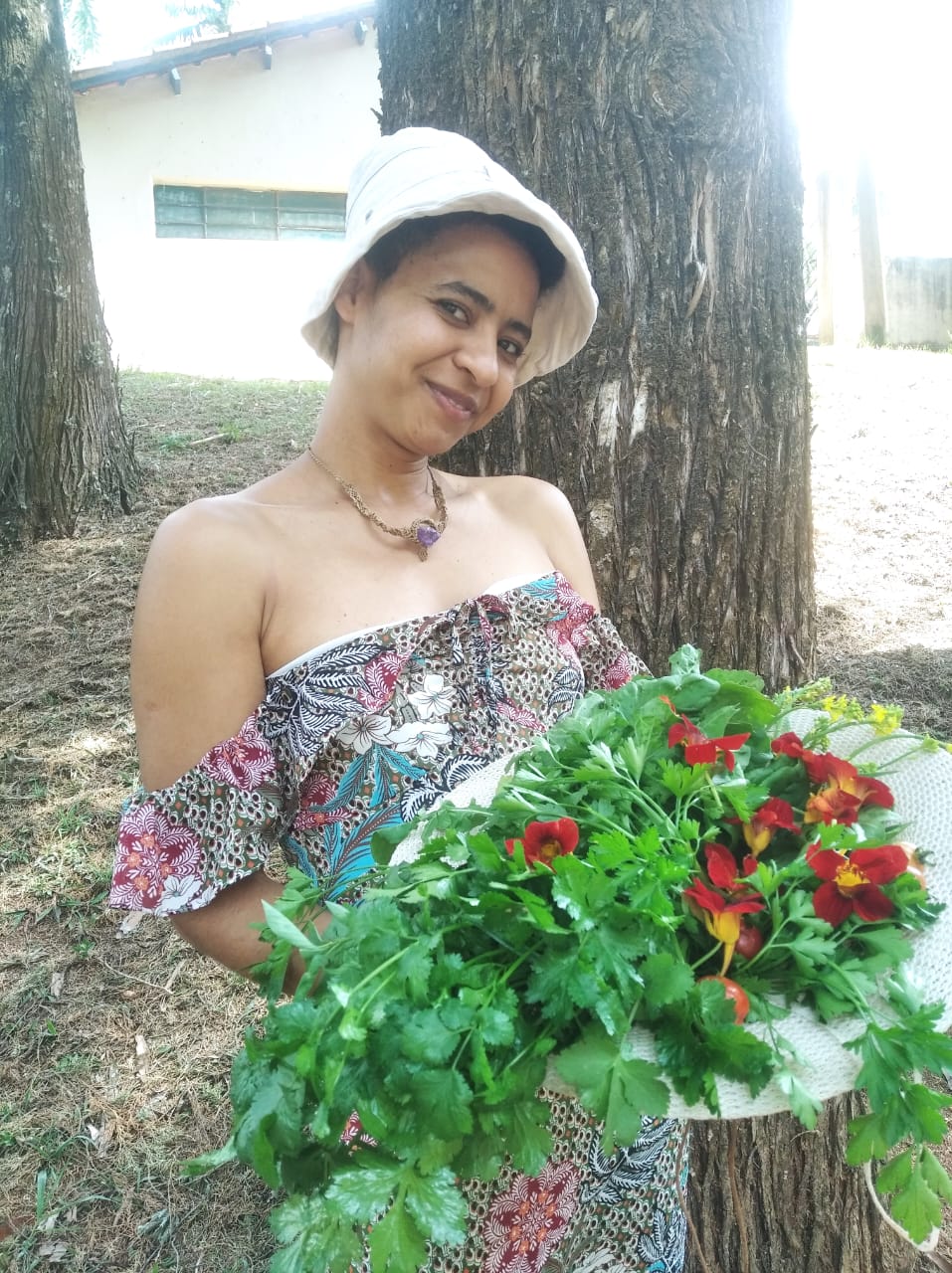
Oakland Permaculture Heals The Hood!
Living Museum of Food: Stories, Recipes, and Culinary Heritage from Traditional Communities
[PT-BR FOLLOWS] Introduction Back when city streets were paved with cobblestones, public telephones stood on street corners, and many neighborhoods were still unpaved, life followed a different rhy…
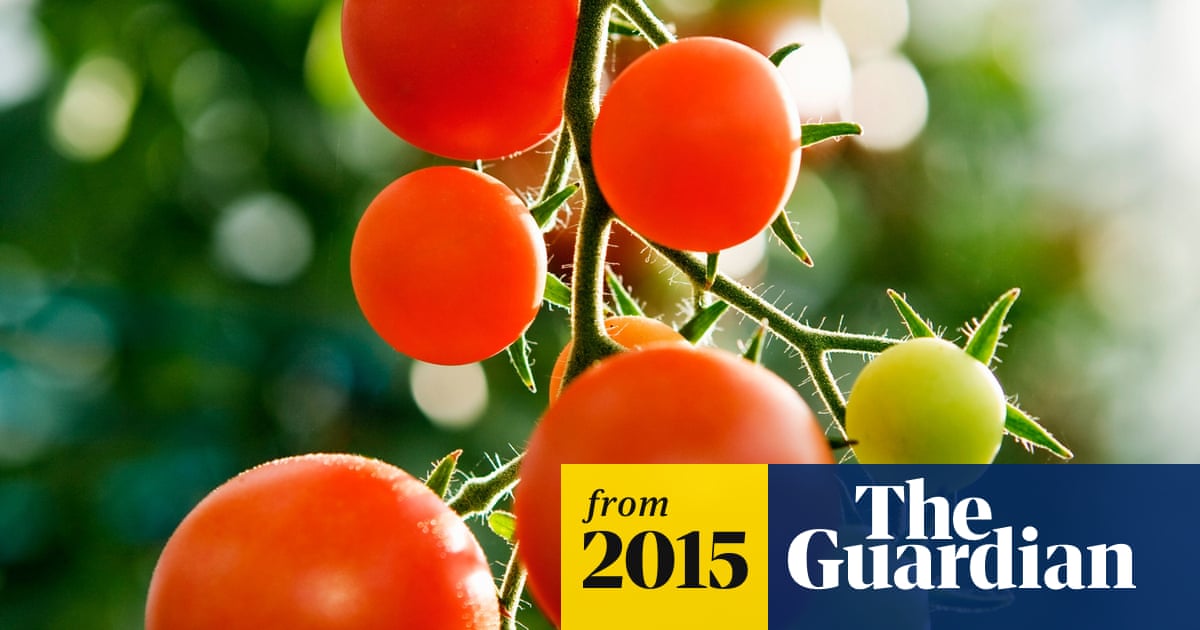
Open-sourced food production – the future of urban diets?
Scientists are developing open-source technologies that reward locally grown foods, cutting down on shipping and improving nutrition
What if our cities were designed for wildlife as well as people?
New research argues urban planning must recognise animals, plants and ecosystems as fellow inhabitants of our cities.

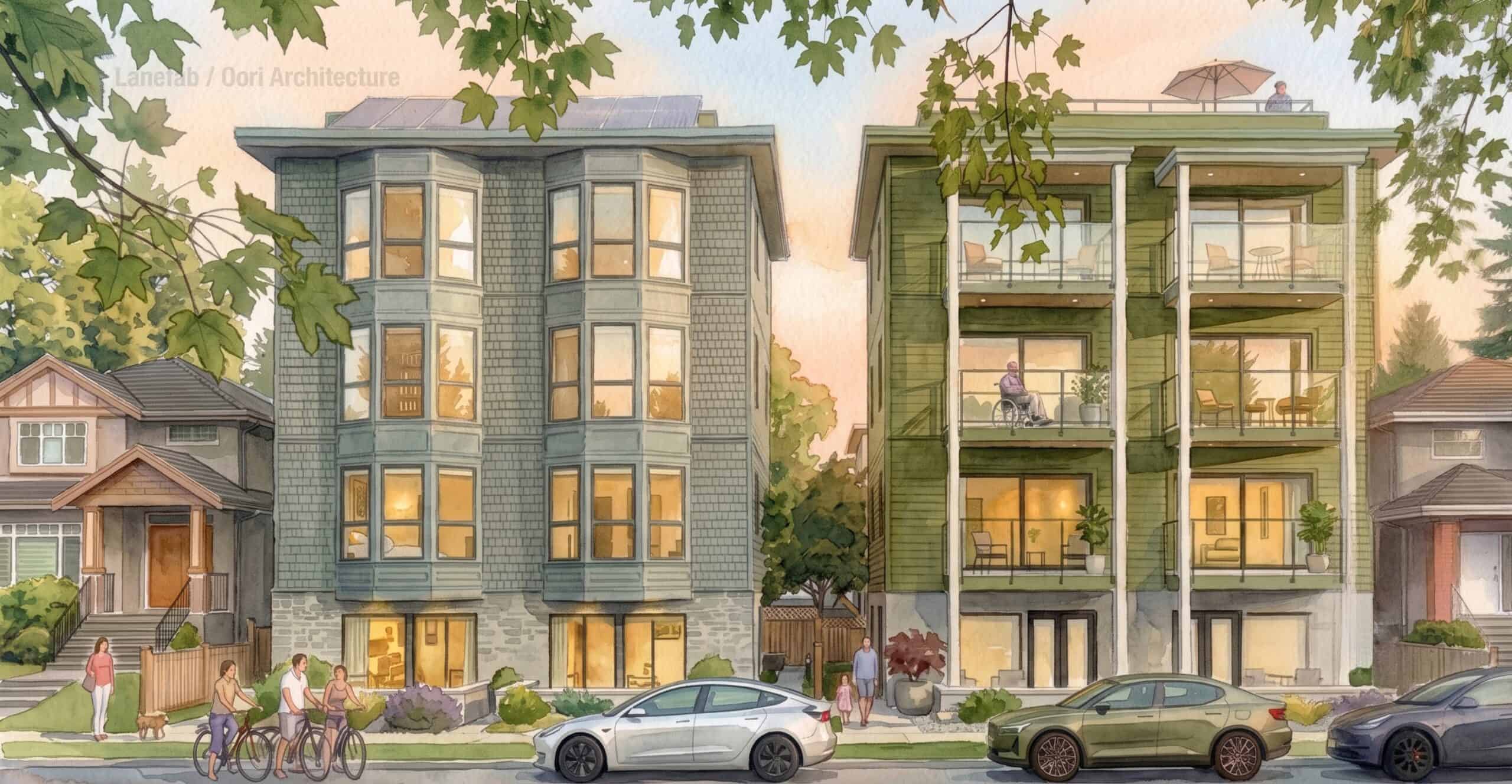
In Pictures: The Possibilities of Vancouver’s New Villages Plan | Sightline Institute
The Four/Five design prioritizes green space, daylight, affordability, and accessibility—all for greater connection and community.
#84 Gardening Platforms and the Future of Open Ecosystems with Alex Komoroske | Boundaryless
In our first episode this season, we dive into the world of open platforms and the future of organizing. With his thought-provoking presentation of “Gardening Platforms”, our guest Alex Komoroske, helps create a shift in mind-set towards a more achievable and sustainable approach in creating impactful technology solutions. We explore his key learnings from leading product at Google Chrome, and how he continues to implement these in his own journey today. Talking on questions of morality, control, and designing for the nefarious users, there’s so much Alex offers in this podcast, and we hope you take from it, as much as we did.

Beyond Horseless Carriages: Building Communities for the Decentralized Era, Rudy Fraser
Square Foot Gardening: Easiest Way to Grow MORE Food in LESS Space
"we're building rainforests, not skyscrapers" diverse ecosystems with lots of different life forms and symbiotic relationships and growth! @schlage.town got me feeling hopeful, talking about building an Atmospheric (sub) stack
digital gardens


Good Internet

smallweb
about - pivot point - Obsidian Publish
