

Art Bakeries Diver's etiquette Dumpster diver Dumpster diving First time Freecycle Freeganism Food Food Not Bombs Gift economy Give-away shops Gleaning Grow your own food Guerrilla gardening Health History Maps Markets Media Laws Literature Organizations Permaculture Preservation Projects Recycling Related websites Relations with Vendors Restaurants Stuff Supermarkets Surfing Tools Unlocking dumpsters Waste Wintertime diving Worm Farming
Food scraps and mushrooms: the closed-loop garden behind the world’s first community-powered sauna
R-Urban Poplar in London is a ‘living lab’ where locals can experiment with ways of taking charge of their food supply

All my trash for a year fit into two plastic bags. Here’s how I did it.
Giving up plastic forks, new clothes and even toilet paper for an exercise in conservation.
It's never been easier to keep waste from landfills, but are you doing your part? | CBC News
'You have to find your why and for me it started out with the environment and I needed to feel like I was doing my part,' says zero waste blogger Katelin Leblond. 'For some people it's the financial aspect, some people it's the minimalist aspect but I have yet to meet a person who has adopted any sort of level of zero waste that has regretted it.'

Living Museum of Food: Stories, Recipes, and Culinary Heritage from Traditional Communities
[PT-BR FOLLOWS] Introduction Back when city streets were paved with cobblestones, public telephones stood on street corners, and many neighborhoods were still unpaved, life followed a different rhy…

Reclaimed Systems
Reclaimed systems - ethical sustainable art & technology for people and planet

Digital gardening
I've been thinking about gardens this week. It started while reading the book Shopkeeping, which had a section entitled "Gardening": > A good shopkeeper will no...

Digital gardening
I've been thinking about gardens this week. It started while reading the book Shopkeeping, which had a section entitled "Gardening": > A good shopkeeper will no...
Home - Urban Harvest
URBAN HARVEST FARMERS MARKET EVERY SATURDAY 8AM-12PMInterested in Community Gardens, learn more about our growing community.Want to learn more about Permaculture Program? We Teach Classes! Interested in Community Gardens, learn more about our growing communityStart the New Year Fresh at the Farmers Market!Want to learn more about Permaculture Program? We Teach Classes! JOIN US SATURDAY […]

FoodMesh
Reduce food waste costs by 40% while feeding your community. Join governments and businesses diverting surplus food from landfills.
Farmers Markets Archive
Pick up fresh, local produce at the Anacostia Community Museum!

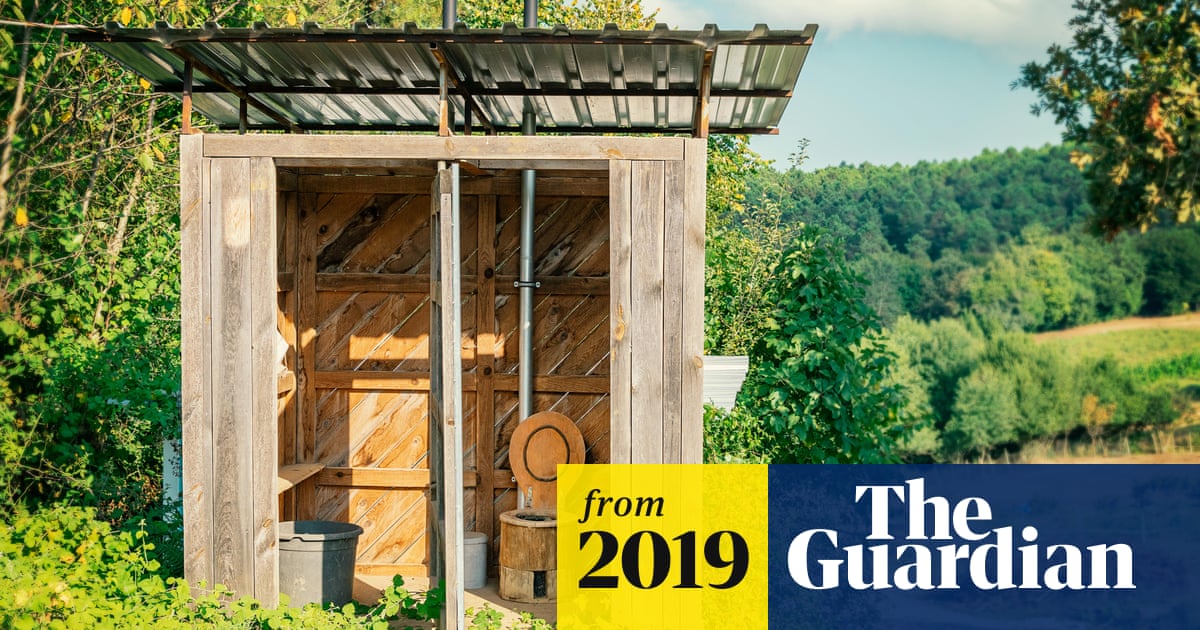
The no-flush movement: the unexpected rise of the composting toilet
We squander masses of clean water flushing away our own waste instead of using it as fertiliser. But a lavatorial eco revolution has now begun
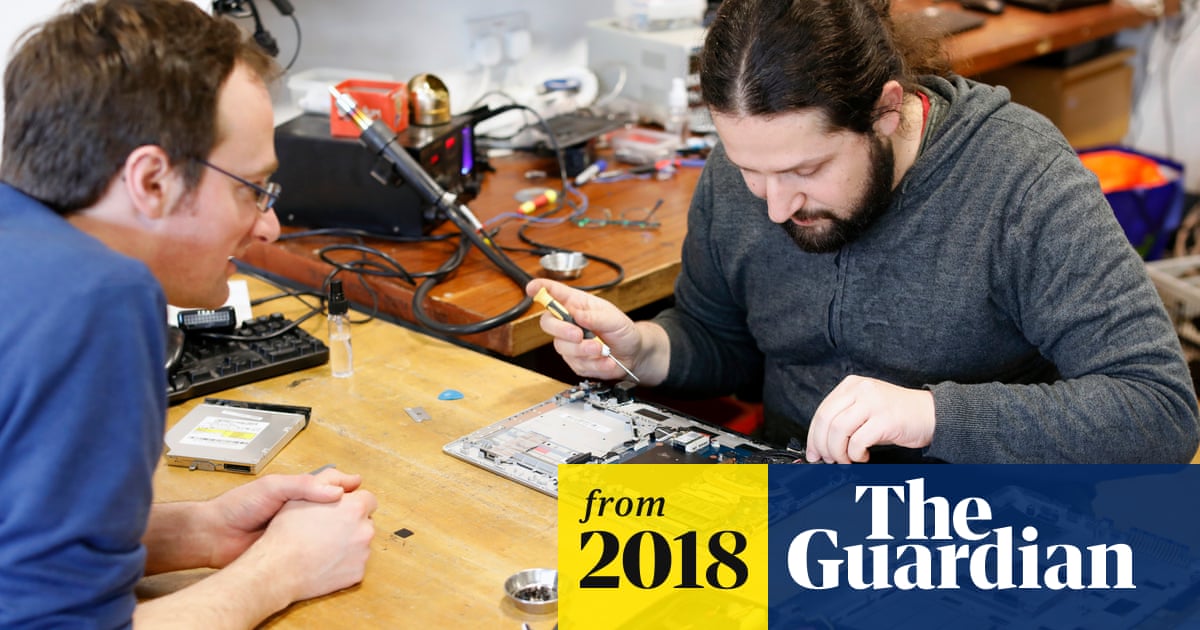
Can we fix it? The repair cafes waging war on throwaway culture
When fixing items is actively discouraged by manufacturers, recycling becomes a political act, say Repair Cafe volunteers
The Matrix of Convivial Technology – Assessing technologies for degrowth
This article introduces the notion of convivial technology as a conceptual framework for technologies suitable for degrowth societies. This paper is inspired by Ivan Illich's notion of convivial tools but reconsiders it in the light of current practices and discussions. Looking for a definition of convivial technologies it uses qualitative empirical research conducted with degrowth-oriented groups developing or adapting grassroots technologies like Open Source cargo bikes or composting toilets in Germany. The basic ethical values and design criteria that guide these different groups in relation to technology are summed up into five dimensions: relatedness, adaptability, accessibility, bio-interaction and appropriateness. These dimensions can be correlated with the four life-cycle levels material, production, use and infrastructure to form the Matrix for Convivial Technology (MCT). The MCT is a 20-field schema that can be filled in. Experiences with the tool in different fields are presented. The MCT is itself a convivial tool as it allows for degrowth-oriented groups to self-assess their work and products in a qualitative, context-sensitive and independent way. It is a normative schema that fosters discussion concerning degrowth technologies in contexts of political education. And it is a research method as it helps collecting data about underlying ethical assumptions and aspirations of individuals and groups engaged in developing technology.
The Flotilla Letters: Catching Up
I’ve been chugging away on the Crowbar Handbook which you can read as I write each section (recent sections include How to Ditch Your Stuff, What to Do About Work, and Eat Well for Less).
Break Free From Walled Gardens
Community tools to help you reclaim your content from centralised services.
Letter of Recommendation: Washing Dishes (Published 2019)
Cutting through the clutter, in life and the kitchen sink.
