

Before XOXO I asked: Will we just get new technological gatekeepers that fill a similar role as the old media distributors? Are they
Would we miss the Media Lab if it were gone? | TechCrunch
A friend and MIT grad wrote to me yesterday, "I don't know if the Media Lab is redeemable at all." This in the wake of the bombshell Ronan Farrow piece in

Stewardship of Ourselves
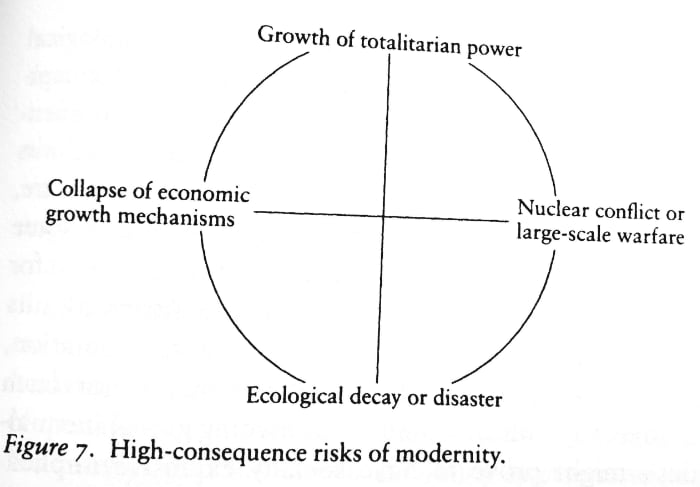
Working behind the scenes in the news media sector, it has become increasingly clear to me that tech and the internet as they operate today are causing structural damage to our collective institutions that runs deeper than seems to be understood. But these changes can be hard to characterise. If you take advertising revenue from high-quality contexts and use it to subsidise conspiracy theories, it's pretty obvious that nothing good will happen — but we barely have an understanding of the data economy sufficient to put a critique of this transfer on solid footing. If you move editorial decisions about what information people get to see first from tens of thousands of career editors working with methods that are highly diversified in biases, culture, skill, or politics the world around to a tiny number of algorithms that are everywhere uniform, what effect can you expect? Reputational and market-driven accountability will be removed, which is evidently bad, but the massive simplification of this ecosystem seems very likely to have deep-running consequences of its own — but how do you begin proving that? A new paper in PNAS leads the way forward.
MediaJustice is Shifting the Terrain
Reclaim the internet: Mozilla’s rebrand for the next era of tech | The Mozilla Blog
Mozilla isn’t just another tech company — we’re a global crew of activists, technologists and builders, all working to keep the internet free, op

Another Media System is Possible: Ripping Open the Overton Window, from Platforms to Public Broadcasting
Despite their absence within dominant policy discourses, radical ideas for structurally reforming information and communication systems are proliferating. This article begins to explore and synthes...

The Case for Digital Public Infrastructure
The introduction of new media technologies invariably brings about potent social and economic shifts. We are well into one of those shifts as the advent of the consumer internet has destabilized existing models of news production and distribution and enabled new hegemons to establish massive and powerful businesses. Two decades into this shift, societies are asking difficult questions about whether internet technologies and the business models that accompany them are dangerous for our citizens and our democracies.
The media industry should have built tech. You specifically shouldn't.
A rare European media acquisition, creators working for equity instead of cash, our MFF policy survey, a case study in profitable local news and 17 active calls.
It's Time to End our Subscription Addiction
Can the media survive the inevitable horrors of 2025?

The Substackerati
Did a newsletter company create a more equitable media system—or replicate the flaws of the old one?

The Press Release Is Dead — Use This Instead – Mike Butcher
I’m QUITE TIRED of dealing with MILLIONS of tech entrepreneurs (these days there are a HELL of a lot of you) and (some) PR people who have ZERO clue how to pitch me/TechCrunch/the media. Their pitches are long-winded and rambling. They ask if they could ‘send some more information’. Listen, I have no idea if it’s interesting or not until you send it! Many just ask me out to lunch or coffee. (Thanks, but I prefer hanging out with my *actual friends*). Even worse, they haven’t read this post or seen my presentation on how to deal with tech media. [2021 update: This is a basic outline for super-early startups. If you want something for Post Series A / later stage startups go here].
Owning media again - Kedara.eu
This year, one of my aspirations is to rely less on the big streaming services for my entertainment. Why? Well, for one thing, if we give too much power to large corporations by getting overly …

How Big Tech Co-opted DIY – and how to Fight Back | The Quietus
As technology has developed in the last twenty years, it has brought with it a sense of enablement. Over time, access to nearly everything has become simpler, and as such, the message from Silicon Valley and its offshoots was that you can do it all. I have worked in the music industry since the late […]

Rebuilding product strategy for the next era
For tech leaders navigating change, this is how we’re doing it differently. By Suba Vasudevan, COO, Mozilla.

How To Improve CX/UX Through A Single Vision Of The Customer
Today’s media consumers enjoy an incredible array of content and have an unprecedented number of choices for how, when, and where to…

When (not if) the Tech Monopolies come for the Atmosphere, can we create the institutional structures to protect what we have? Right now we're nowhere near ready. No company harmed the web more than Google, not even close, while claiming to help which many believed. What can we learn and how fast?

kottke.org
“The Metric Is Not the Mission is a ten-part examination of how Big Tech moved from building and expanding the open internet to increasingly shaping it around its own metrics, incentives and assumptions.” techdirt.com/2026/09/21/the-metric-is-not-…
