


Access to natural daylight has long been one of the biggest limiting factors in building design – some solutions involve reflecting real daylight from the outdoors, but until now no solution …
We’re Squandering LEDs’ Potential to Save Our Night Skies
Bad decisions have turned efficient technology into a driver of light pollution. There is a better way

High-tech farmers are using LED lights in ways that seem to border on science fiction
The latest lights can be used to alter how plants grow, how they taste and how nutritious they are. And in some cases, scientists say, they’re better at the job than the sun.

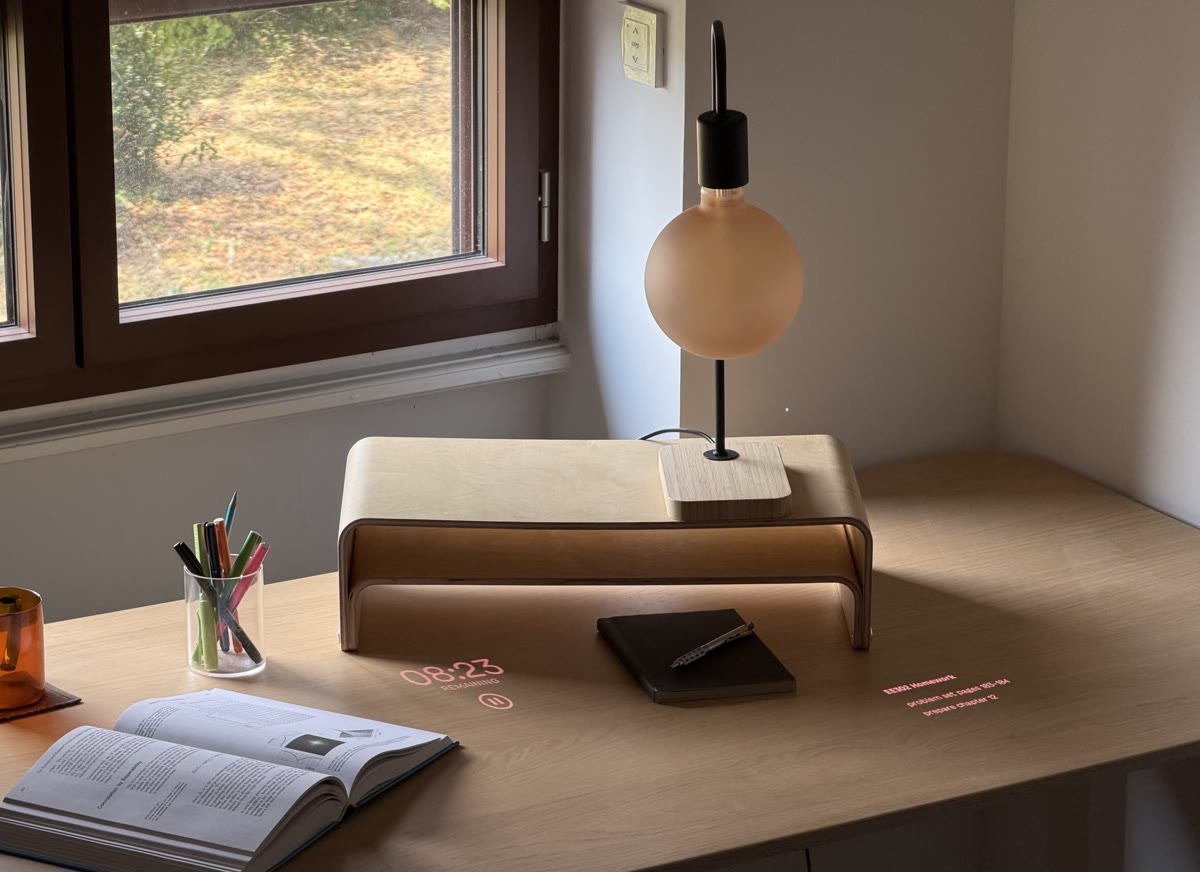
The Lightbulb Computer — Reimagining Spatial & Ambient Computing with Projectors
A new direction for computing: projecting information into the real world to augment it, with a device that combines a projector and computer vision in the shape of a large lightbulb.
The Lightbulb Computer — Reimagining Spatial & Ambient Computing with Projectors
A new direction for computing: projecting information into the real world to augment it, with a device that combines a projector and computer vision in the shape of a large lightbulb.
Daylight
Daylight Computer (DC1) is a new kind of calm computer, designed for deep work and health.
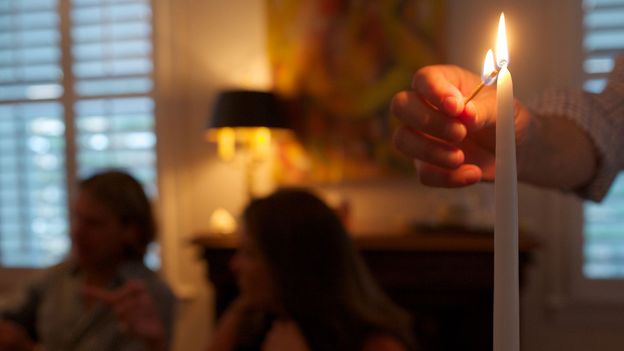
What I learned by living without artificial light
Linda Geddes decided to live for weeks in only candlelight — no bulbs, no screens. Along the way, she discovered simple things that everyone can try to sleep and feel better.
What Did Ancient Humans Do at Night?
Lunar - The defacto app for controlling monitor brightness
Control monitor brightness, adapt using the ambient light sensor, adjust volume, switch inputs and turn off displays without fiddling with clunky buttons.

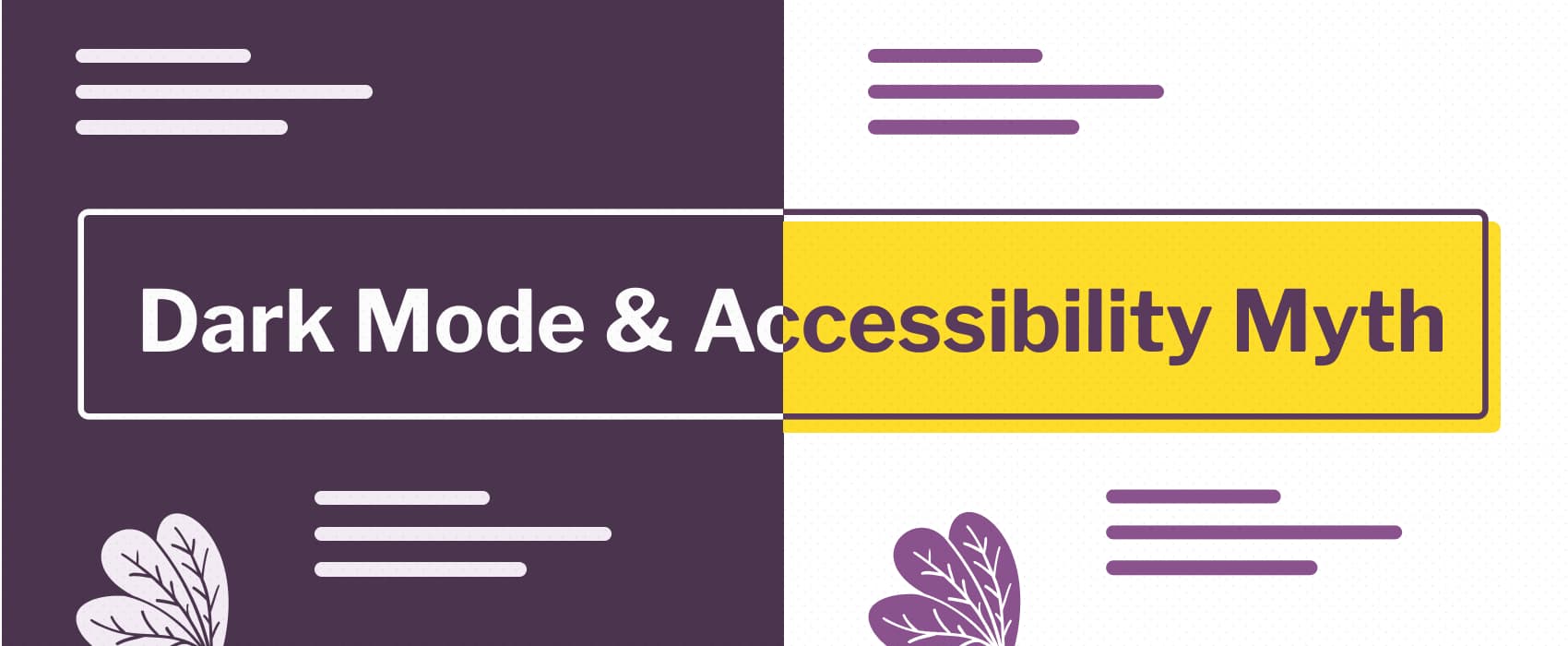
Dark mode & accessibility myth by Stéphanie Walter - UX Researcher & Designer.
Dark mode isn't always better for accessibility, you need to let users chose. And if you build a dark theme, make it accessible!
The Lightbulb Computer: Reimagining Spatial & Ambient Computing
The Lightbulb Computer: Reimagining Spatial & Ambient Computing
Why sunlight is vital to our physical and mental health | Psyche Notes to Self
The new book ‘In Defense of Sunlight’ argues that our concerns about the sun’s risks lead us to overlook its benefits

Things That Go Bump in the Literature: An Environmental Appraisal of “Haunted Houses”
This paper contains a narrative overview of the past 20-years of environmental research on anomalous experiences attributed to “haunted houses.” This exercise served as a much-needed update to an anthology of noteworthy overviews on ghosts, haunts, and poltergeists (Houran & Lange, 2001b). We also considered whether new studies had incorporated certain recommendations made in this anthology. Our search revealed a relative paucity of studies (n = 66) on environmental factors that ostensibly stimulate haunt-type experiences. This literature was diverse and often lacked methodological consistency and adherence to the prior suggestions. However, critical consideration of the content revealed a recurring focus on six ambient variables: embedded (static) cues, lighting levels, air quality, temperature, infrasound, and electromagnetic fields. Their relation to the onset or structure of witness reports showed mostly null, though sometimes inconsistent or weak outcomes. However, such research as related to haunts is arguably in its infancy and new designs are needed to account better for environmental and architectural phenomenology. Future studies should therefore address four areas: (i) more consistent and precise measurements of discrete ambient variables; (ii) the potential role of “Gestalt influences” that involve holistic environment-person interactions; (iii) individual differences in attentional or perceptual sensitivities of percipients to environmental variables; and (iv) the role of attitudinal and normative influences in the interpretation of environmental stimuli. Focused scrutiny on these issues should clarify the explanatory power of evolutionary-environmental models for these and related anomalous experiences.

What the Future of Working at Home May Look Like
Innovative home designs find ways to combine living and work spaces
