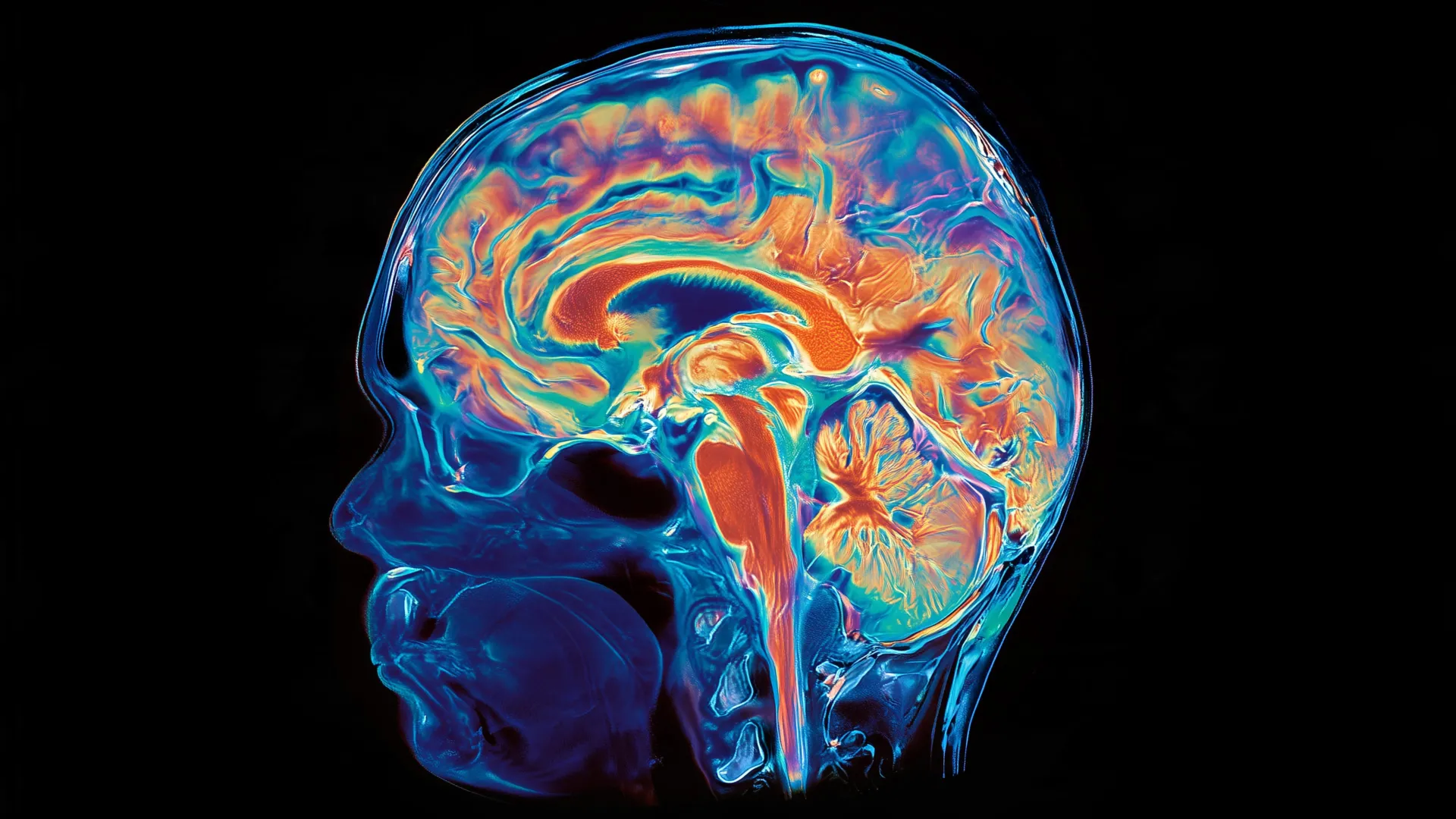
Sturdy legs could mean healthy brains, according to a new study of British twins.
Brains of overweight people ‘ten years older’ than lean counterparts at middle-age
Our brains naturally shrink with age, but scientists are increasingly recognising that obesity – already linked to conditions such as diabetes, cancer and heart disease – may also affect the onset and progression of brain ageing; however, direct studies to support this link are lacking.

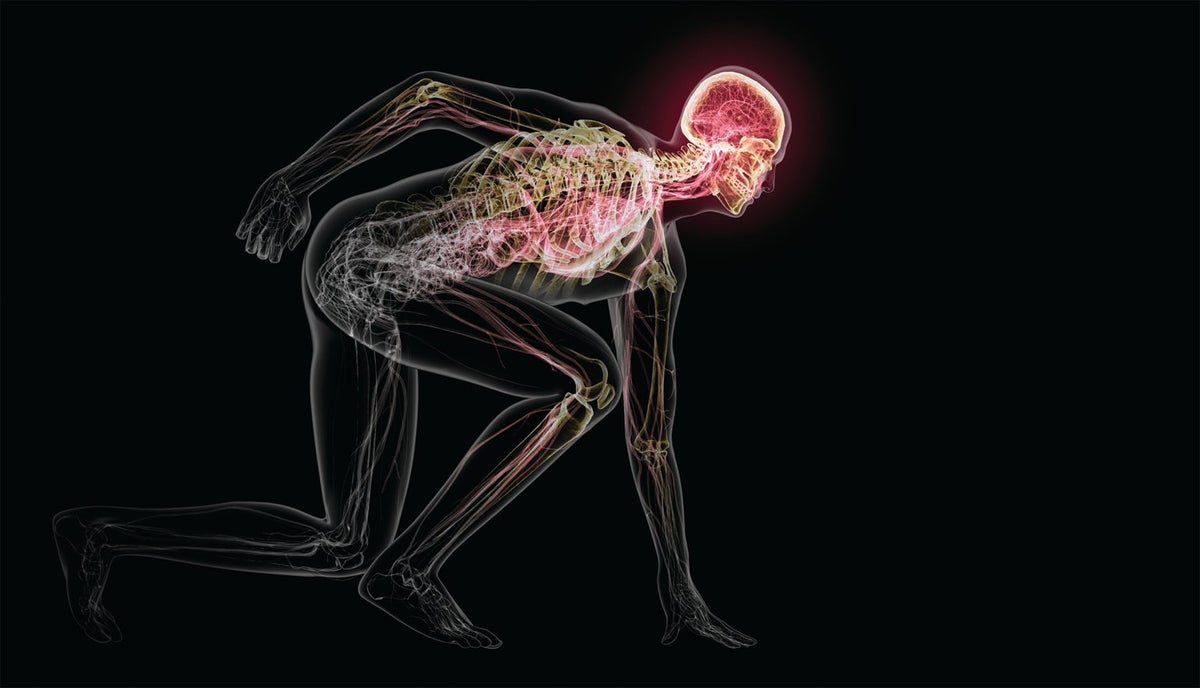
Posture Affects Standing, and Not Just the Physical Kind
Slouching can have ill effects on body and state of mind. But with some solid effort, and sometimes exercises, muscular imbalances can be corrected.

Posture Affects Standing, and Not Just the Physical Kind
Slouching can have ill effects on body and state of mind. But with some solid effort, and sometimes exercises, muscular imbalances can be corrected.
Football headers 'linked to brain damage'
Footballers suffer similar brain damage to boxers, a small scientific study suggests.

Why your brain needs exercise
The evolutionary history of humans explains why physical activity is important for brain health
Twin study links artistic, but not scientific, creativity to poorer mental health
The relationship between creativity and mental health has attracted the interest of many psychologists over the past decades. Some past studies have found that creativity is sometimes linked to mental ...


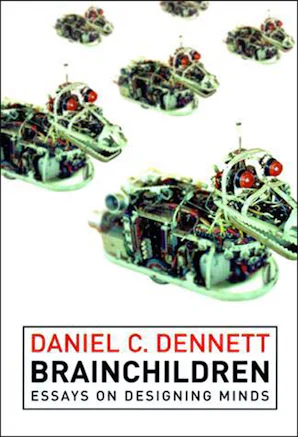
Brainchildren
Minds are complex artifacts, partly biological and partly social; only a unified, multidisciplinary approach will yield a realistic theory of how they came i...
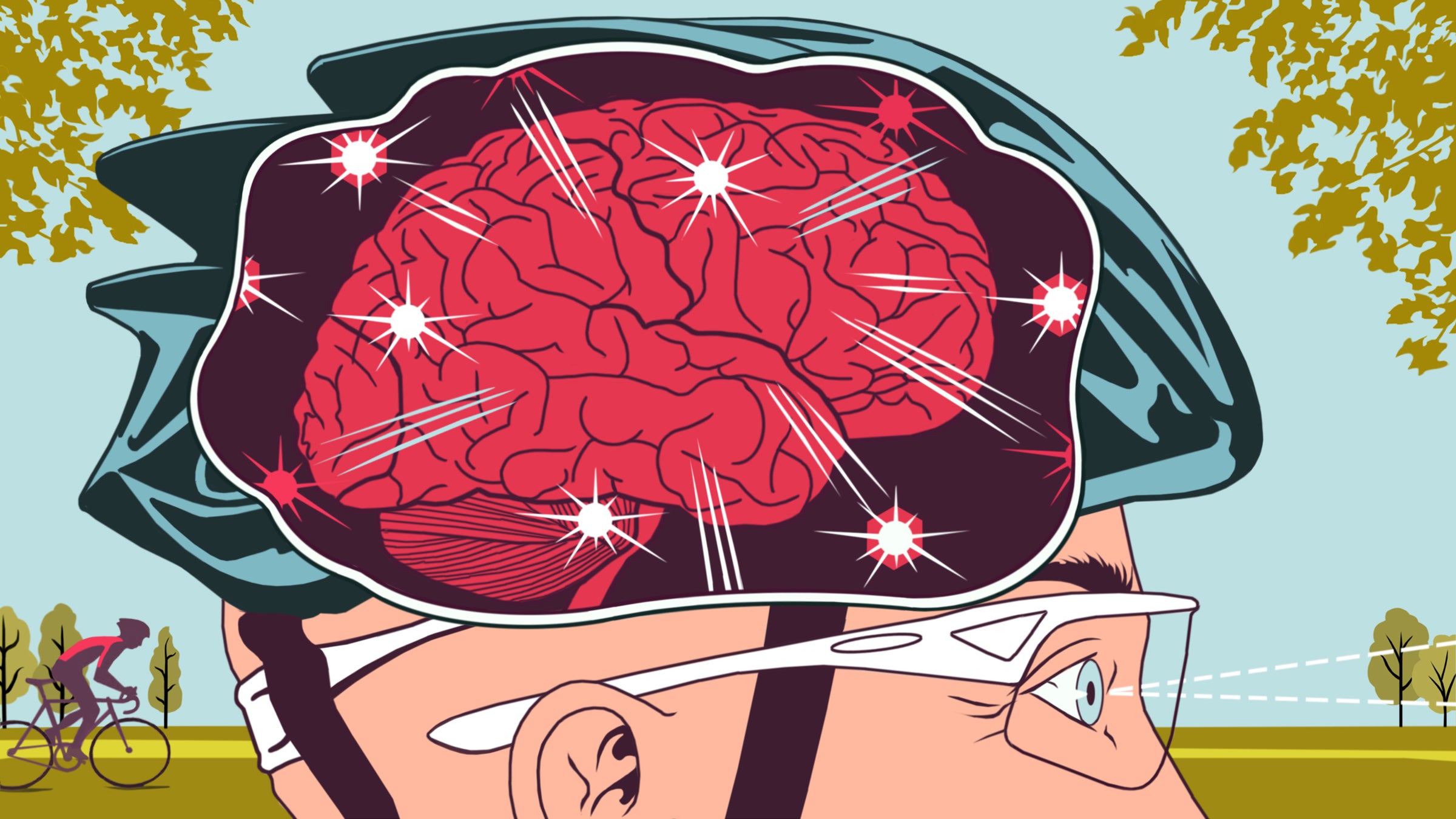
This Is Your Brain on Exercise
Exercise is as good for your brain as it is for your body, and researchers are just beginning to discover why
<em>g</em>, a Statistical Myth
Follows, but is independent of, two earlier posts on the subject of intelligence and its biological basis, and their own sequel on heritability and malleability. This doubtless more than exhausts your interest in reading about the subject; it has certainly exhausted my interest in writing about it.
The Second Body
Check out The Second Body - Every living thing has two bodies. To be an animal is to be in possession of a physical body, a body which can eat, drink and sleep; it is also to be embedded in a worldwide network of ecosystems. When every human body has an uncanny global presence, how do we live with ourselves? In this timely and elegant essay, Daisy Hildyard captures the second body by exploring how the human is a part of animal life. She meets Richard, a butcher in Yorkshire, and sees pigs turned into boiled ham; and Gina, an environmental criminologist, who tells her about leopards and silver foxes kept as pets in luxury apartments. She speaks to Luis, a biologist, about the origins of life; and talks to Nadezhda about fungi in an effort to understand how we define animal life. Eventually, her second body comes to visit her first body when the river flooded her home last year. <i>The Second Body</i> is a brilliantly lucid account of the dissolving boundaries between all life on earth. by Daisy Hildyard on Bookshop.org UK!

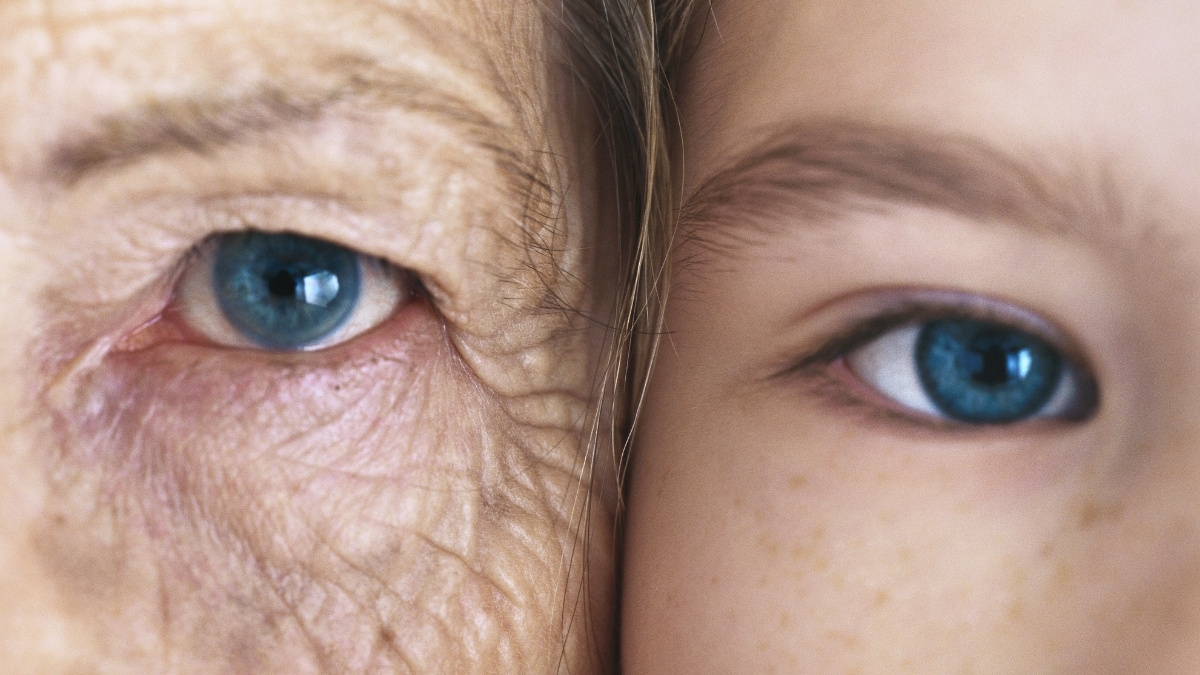
Study Finds Humans Age Faster at 2 Sharp Peaks – Here's When to Expect Them
You're in for a bumpy ride.
The Octotypic Mind
Carcinization, Cognitive Prosthetics, and the Shape of Intelligence After AI
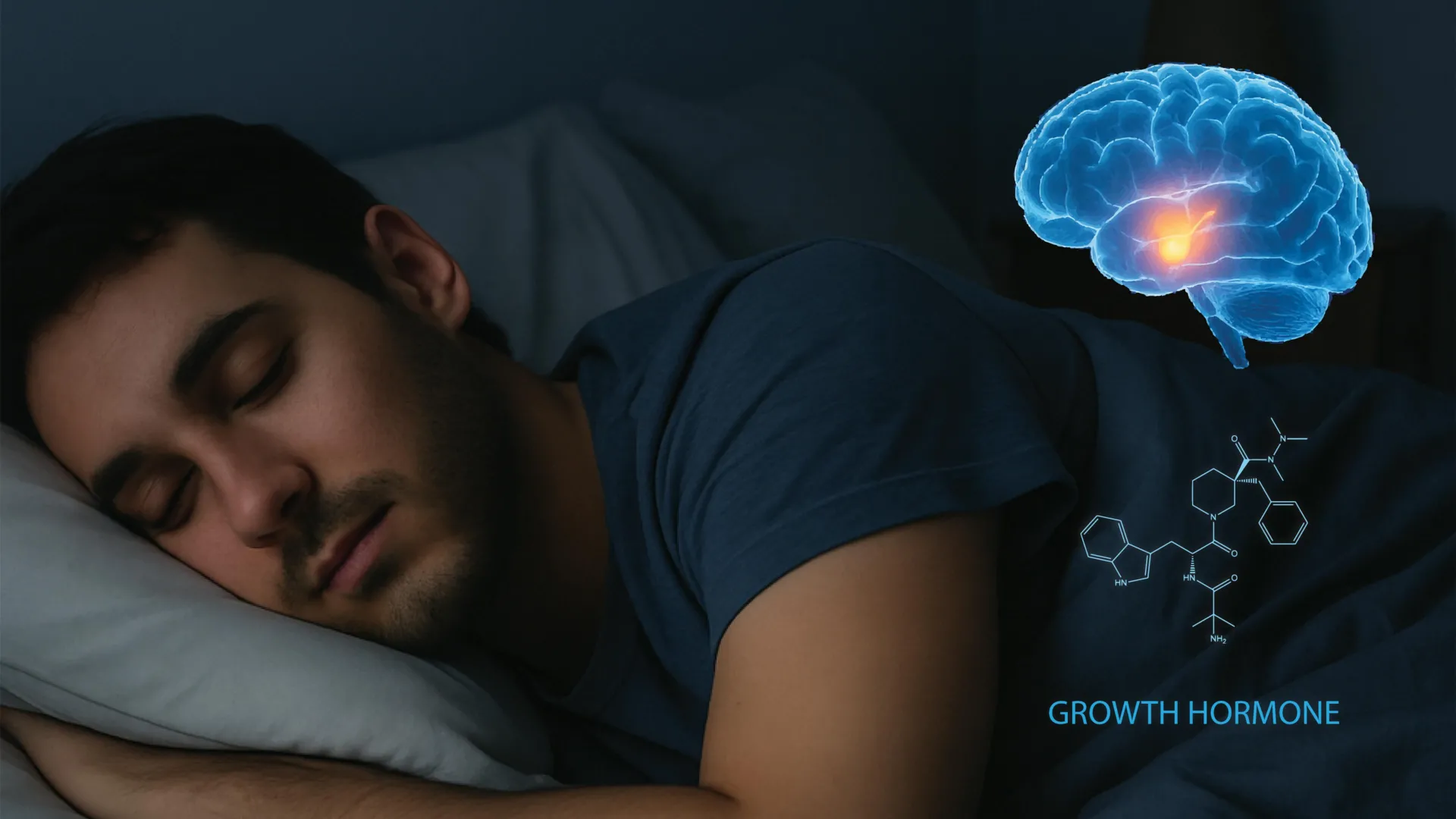
Scientists discover how deep sleep builds muscle, burns fat, and boosts the brain
Scientists have discovered a surprising two-way relationship between sleep and growth hormone, revealing how the brain carefully balances physical recovery with wakefulness. The findings could help explain why poor sleep harms metabolism and brain health, potentially opening the door to new treatments for sleep and neurological disorders.
Stanford scientists discover the human brain may actually be two separate organs
Scientists have found that the human brain develops from two distinct cellular systems, suggesting that evolution fused together two ancient nervous systems with very different jobs. The discovery also allowed researchers to grow human hindbrain neurons in the lab, opening new possibilities for studying ALS, spinal muscular atrophy, and other brainstem diseases.