

I have a gripe with the phrase
Systems that defy detailed understanding
Last week, I wrote about the mindset that computer systems can be understood, and behaviors can be explained, if we’re willing to dig deep enough into the stack of abstractions our software is built atop. Some of the ensuing discussion on Twitter and elsewhere lead me to write this followup, in which I want to run through a few classes of systems where I’ve found pursuing in-detail understanding of the system wasn’t the right answer.
What does it mean to develop software?
I stumbled onto this post on BlueSky the other day [[1]], mainly because people were trash talking the sillyness of both pointing at limitations and also calling this a revolution. I get that, but it is not the topic of this post. Two things are true: 1. Claims about AI

A Systems Literacy Manifesto
In 1968, West Churchman wrote, “…there is a good deal of turmoil about the manner in which our society is run. …the citizen has begun to suspect that the people who make major decisions that affect our lives don’t know what they are doing.”[1] Churchman was writing at a time of growing concern about war, civil rights, and the environment. Almost fifty years later, these concerns remain, and we have more reason than ever “to suspect that the people who make major decisions that affect our lives don’t know what they are doing.” Examples abound.
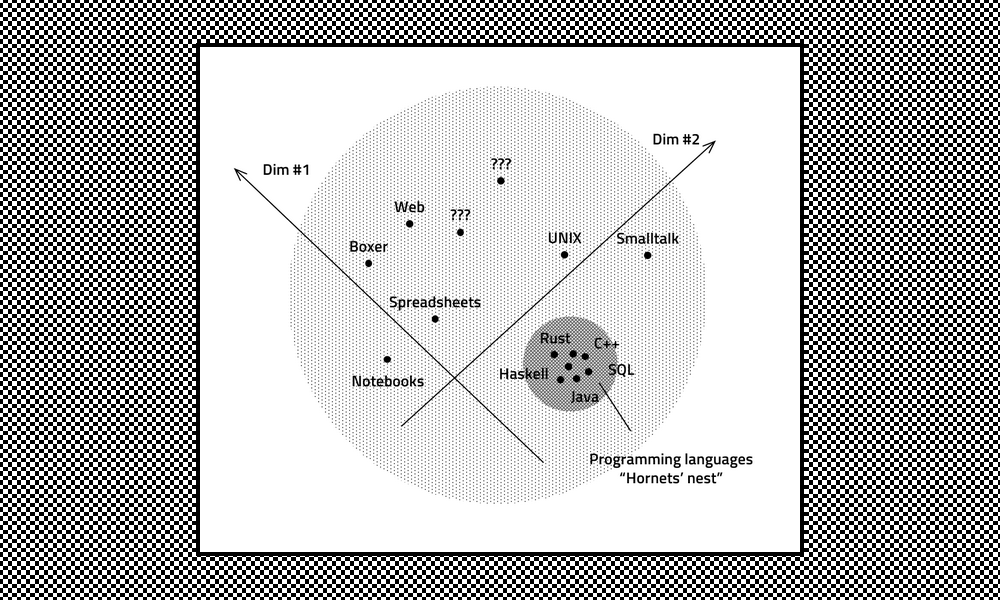
Technical dimensions of programming systems
Framework that captures the characteristics of programming systems, makes it possible to compare and better understand them and find interesting new points in their design space.
A Conceptual Introduction to Spritely Goblins
A transformative paradigm for distributed systems programming.
An Introduction to System Mapping - FSG
Much has been written about the importance of using a system lens to make progress against society’s challenges. But what does that really mean?

Software is breaking down at a systemic level | Jimmy Breck-McKye
Developing Opinions - A blog by Jimmy Breck-McKye
Programming (with AI agents) as theory building
Back in 1985, computer scientist Peter Naur wrote “Programming as Theory Building”. According to Naur — and I agree with him — the core output of software engineers is not the program itself, but the theory of how the program works. In other words, the knowledge inside the engineer’s mind is the primary artifact of engineering work, and the actual software is merely a by-product of that.

The Systems Thinker
The Systems Thinker works to catalyze effective change by expanding the use of systems approaches. All articles are available free of charge in an effort to expose as wide of audience as possible. Browse, share with others, save your favorites and tell others about this valuable resource!
The third golden age of software engineering – thanks to AI, with Grady Booch
The third golden age of software engineering – thanks to AI, with Grady Booch
Legendary Productivity And The Fear Of Modern Programming | TechCrunch
JavaScript master Douglas Crockford once said that software is the most complex thing that humans have ever created. It’s made up of intricate bits and bytes pieced together like virtual puzzles. The greatest programming minds are capable of using software to multiply massive integers that are bigger than the universe.

Hello Systems by Loris Cro

Summary: Thinking in Systems (by Donella H. Meadows)
The main argument of the book: Everything in this world is made of systems. While we cannot fully understand systems, we can observe them…
The future of programming and computing

Trends and adjacent possibles for the future of how computers are used and programmed
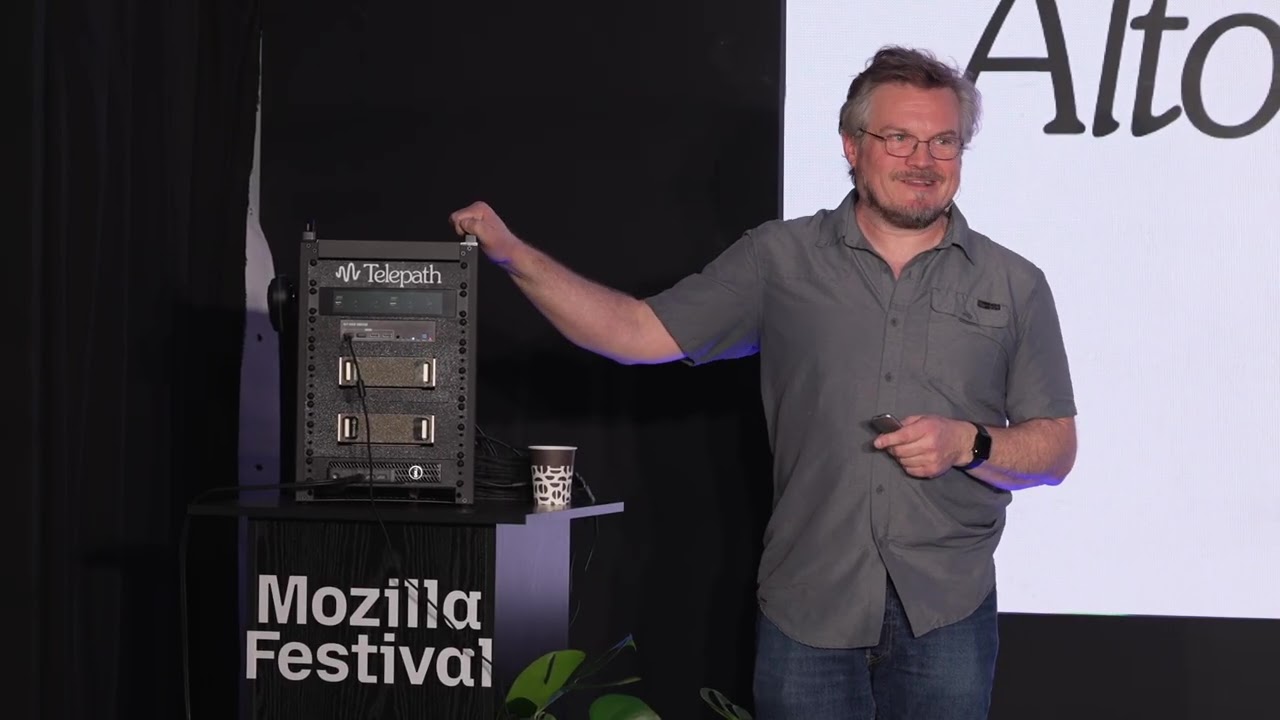
"Wilding the Personal Computer: A demonstration of an open source computer for the AI era"
HyperMap

What Even Is An OS Now?

Maybe We Should Stop Investing in GUI-Centric Software Companies
LIMITS 2026 -- Workshop on Computing within Limits
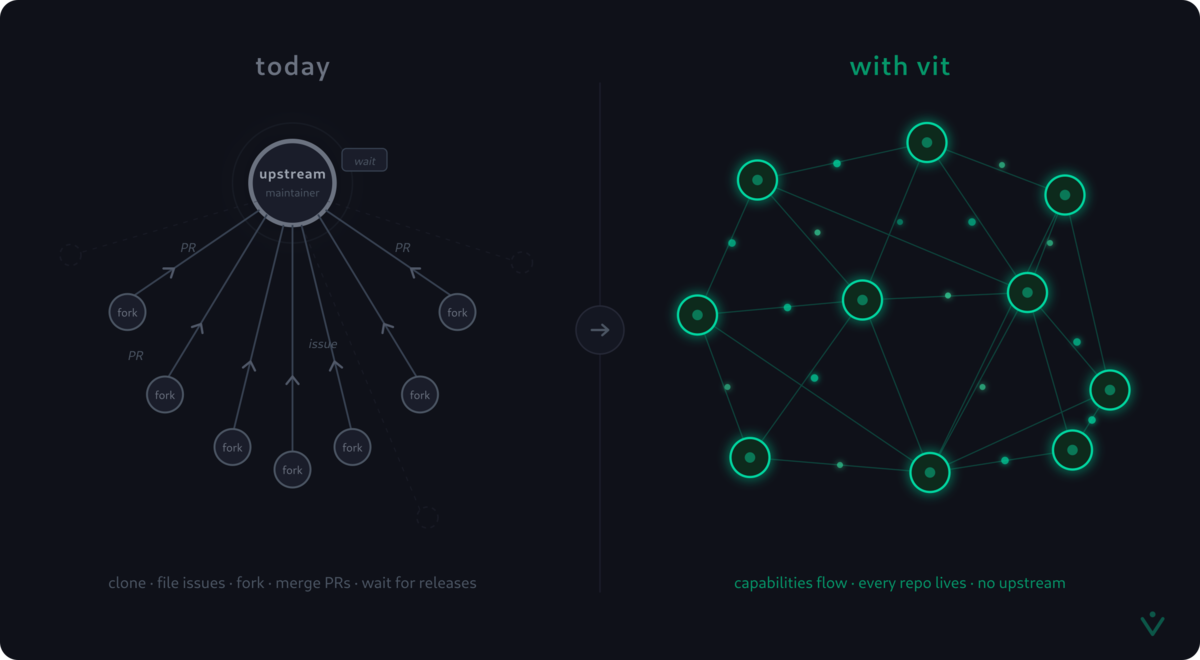
vit — open source is social