

I gave a talk at the DBX conference called The Future of Programming. Below are links and quotes from some primary sources I used, as well as links to wikipedia and elsewhere where you can learn more.
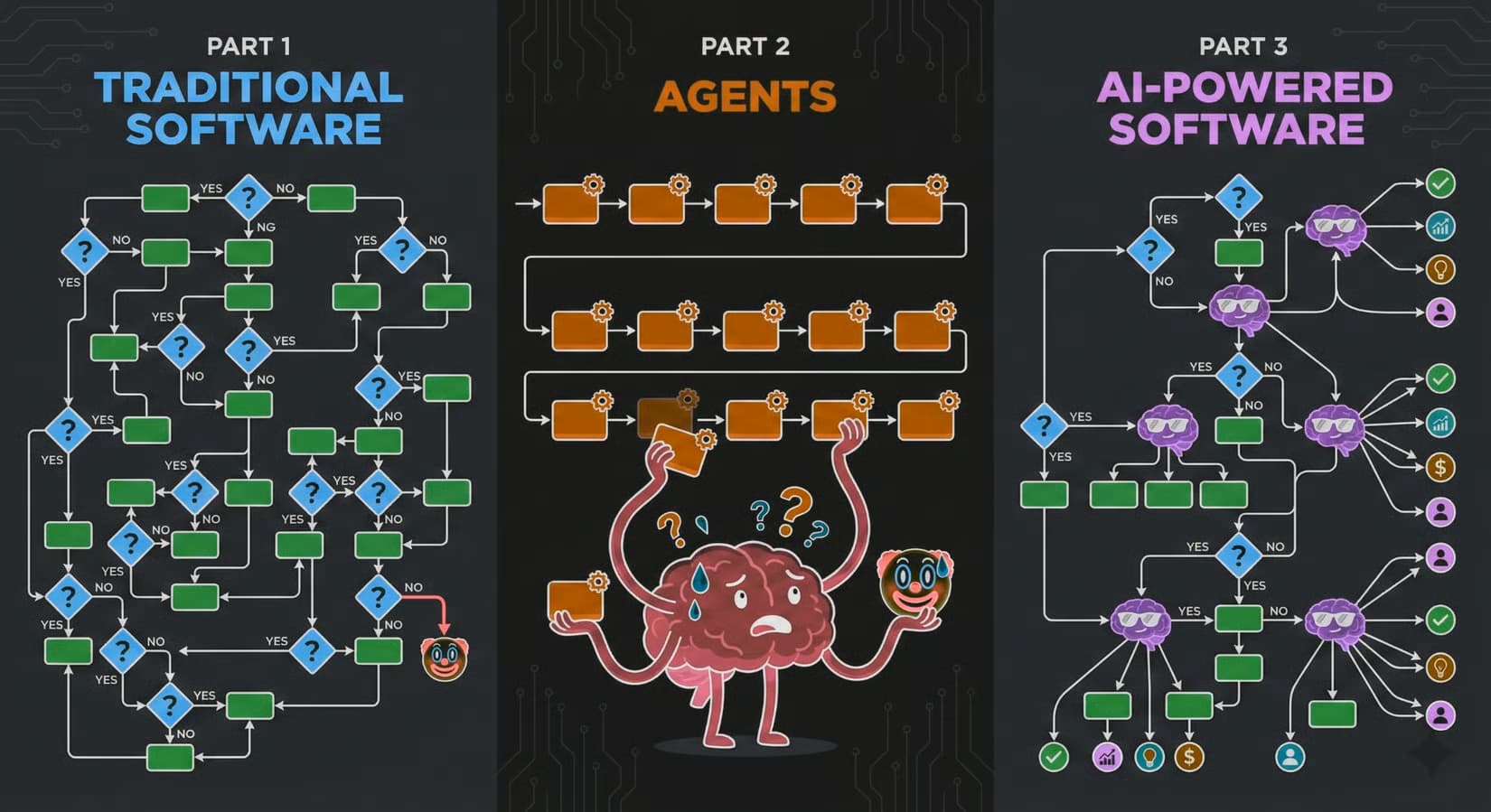

Its Time for a New Programming Language
Today, when compared to any other point in programming history, we find ourselves spoiled for choice when it comes to programming…
Let’s explore the universe of programming resources together
by Quincy Larson Let’s explore the universe of programming resources together There are a lot of free programming resources out there. Here’s a list of more than a thousand free programming books. Here’s a list of hundreds of free online university c...
Bret Victor - The Future of Programming
I think this talk gives lots of food for thought. Are we too entrenched in our ways, to think in other/better ways?

1. History of programming and why it matters today
Teaching Programming in the Age of ChatGPT
How computing instructors plan to adapt to ChatGPT, GitHub Copilot, and other AI coding assistants (ICER 2023 paper)

AI made me doubt everything about programming by Felienne Hermans - DDD Europe 2026
AI made me doubt everything about programming by Felienne Hermans - DDD Europe 2026
The Next 7000 Programming Languages
Landin’s seminal paper “The next 700 programming languages” considered programming languages prior to 1966 and speculated on the next 700. Half-a-century on, we cast programming languages in a Darwinian ‘tree of life’ and explore languages, their features (genes) and language evolution from the viewpoint of ‘survival of the fittest’.
The Evolution of Software
Last week Chris Paik published a Google Doc titled, The End of Software, where he articulates the lowering cost of software development and potential implications. He ends the piece with a provocative statement: "Majoring in computer science today will be like majoring in journalism in the late...

Modular: The Claude C Compiler: What It Reveals About the Future of Software
Compilers occupy a special place in computer science. They're a canonical course in computer science education. Building one is a rite of passage. It forces you to confront how software actually works, by examining languages, abstractions, hardware, and the boundary between human intent and machine execution.

History of programming languages concepts
Also have a look at the diagram of programming languages history.
The future of programming and computing

Trends and adjacent possibles for the future of how computers are used and programmed
Future of Programming

HyperMap
What Even Is An OS Now?

Maybe We Should Stop Investing in GUI-Centric Software Companies
LIMITS 2026 -- Workshop on Computing within Limits
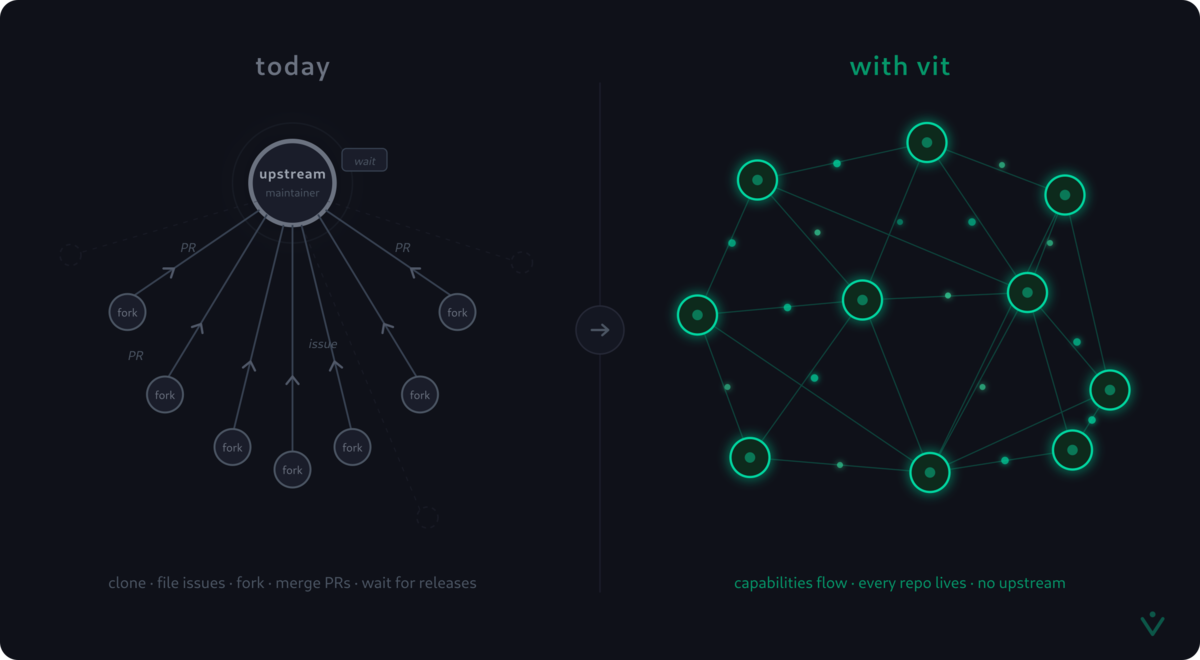
vit — open source is social

Humans approve intent, machines prove conformance
Kanjun 🐙 on Twitter / X
Hiring and firing a DBA
LLMs and performative productivity
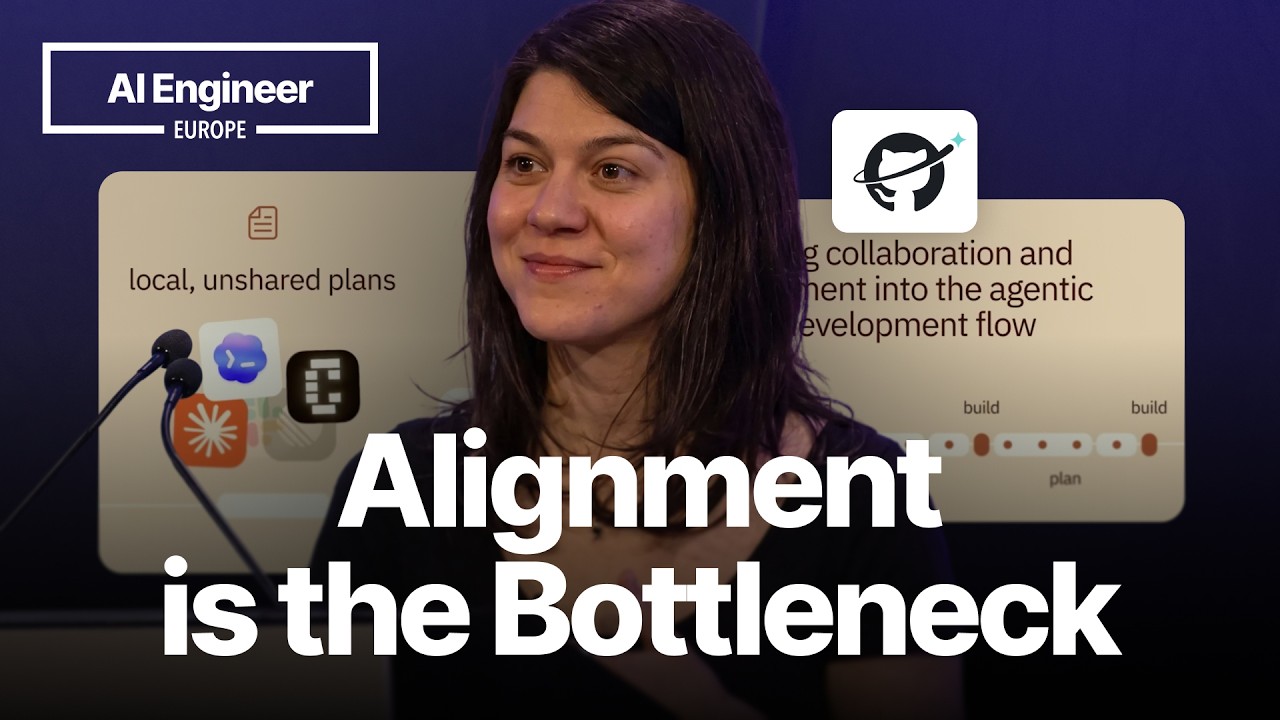
Collaborative AI Engineering: One Dev, Two Dozen Agents, Zero Alignment — Maggie Appleton, GitHub
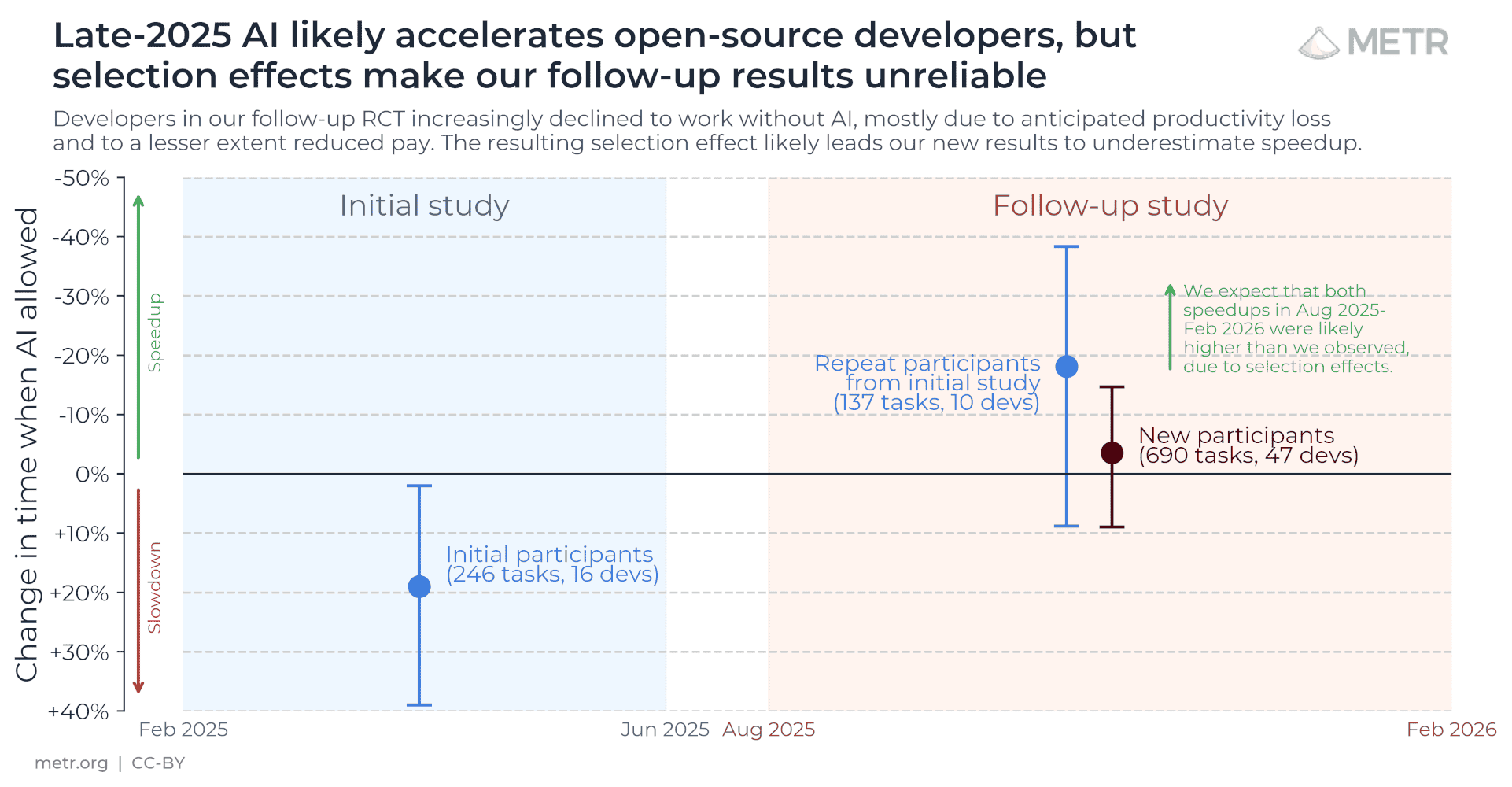
We are Changing our Developer Productivity Experiment Design

Agents want flexible schemas