


A Roman gladiator was an ancient professional fighter who usually specialised with particular weapons and types of armour. They fought before the public in hugely popular organised games held in large...
Collections: Pre-Modern Armies for Worldbuilders, Part I: Why They Fight
This week I want to try something a little different. Rather than taking apart a particular fantasy military system, I thought I might try to lay out a more general sense of how military systems te…

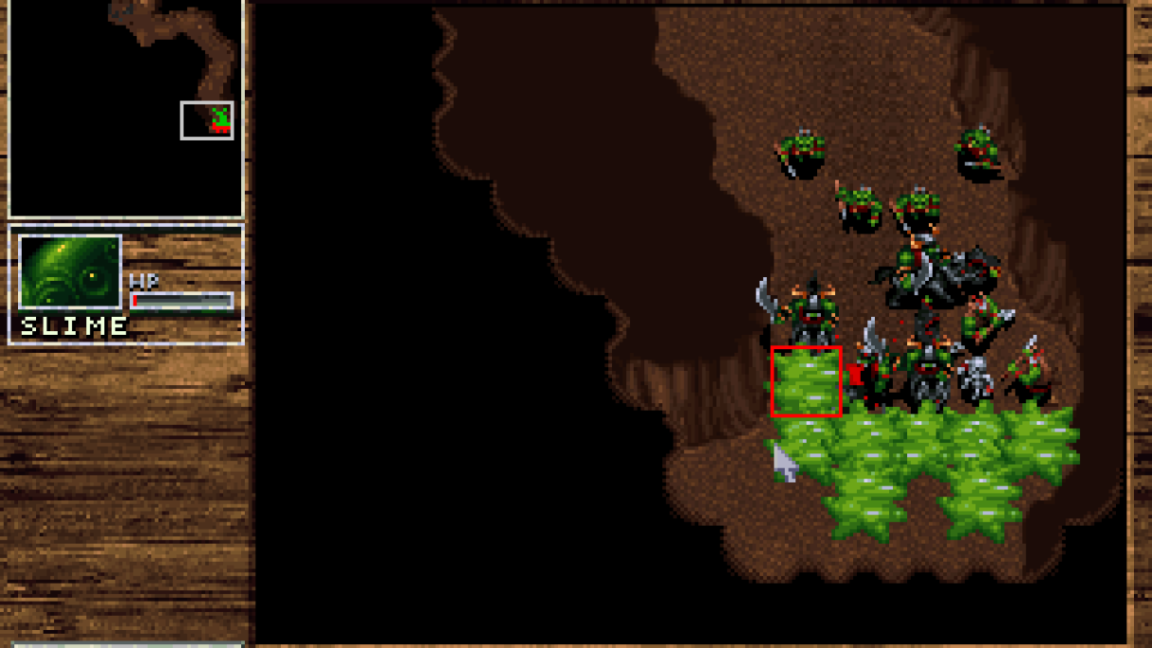
Build, gather, brawl, repeat: The history of real-time strategy games
As we wait on a new Age of Empires this fall, let's revisit the RTS genre's highs and lows.
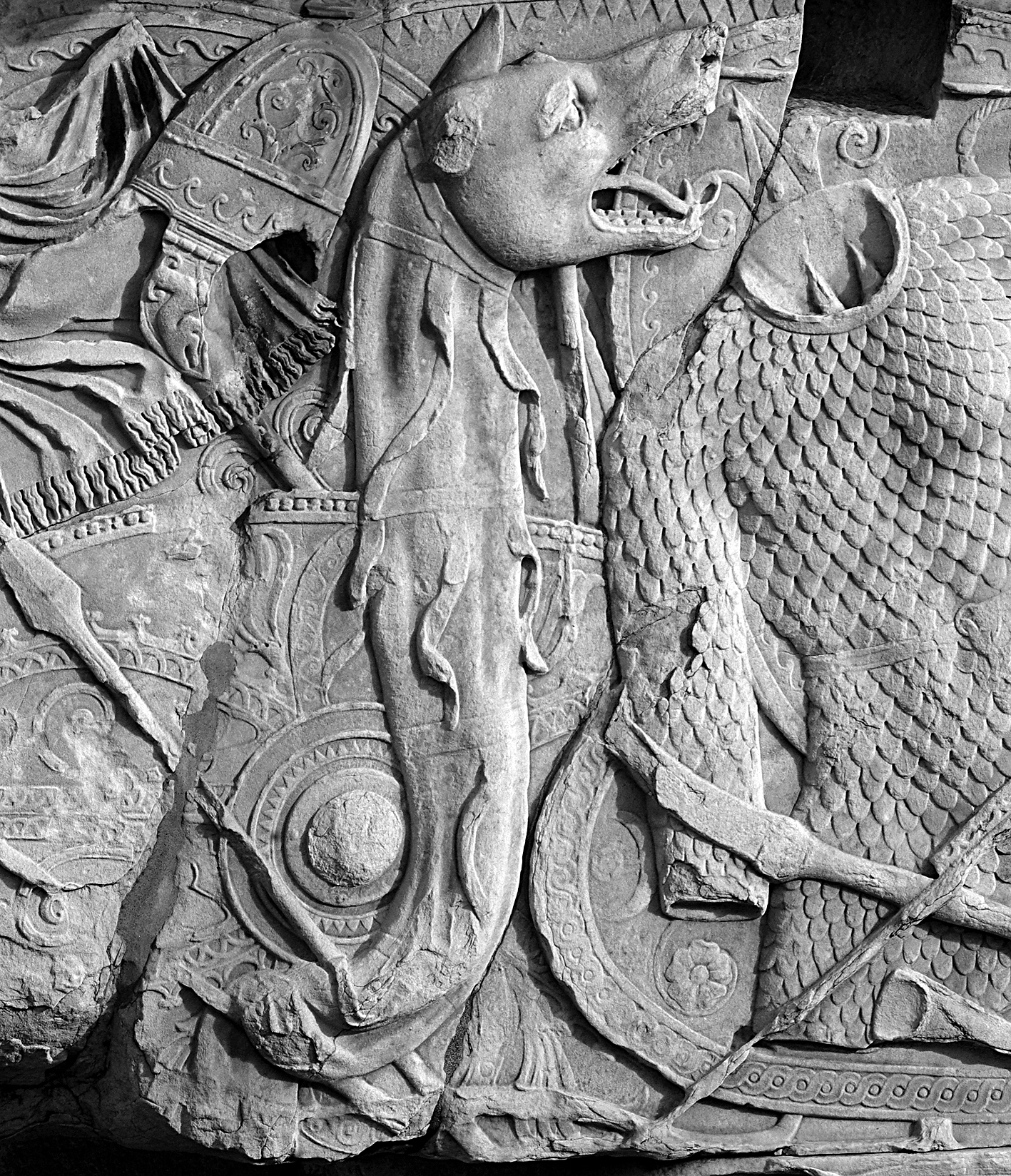
The dacian stronghold and the wolf-warriors: SARMISEGETUSA REGIA
Dacian draco
The Dacian draco was a military standard used by troops of the ancient Dacian people, which can be seen in the hands of the soldiers of Decebalus in several scenes depicted on Trajan's Column in Rome, Italy. This wind instrument has the form of a dragon with open wolf-like jaws containing several metal tongues. The hollow dragon's head was mounted on a pole with a fabric tube affixed at the rear. In use, the draco was held up into the wind, or above the head of a horseman, where it filled with air and gave the impression it was alive while making a shrill sound as the wind passed through its strips of material. The Dacian draco likely influenced the development of the similar Roman draco.
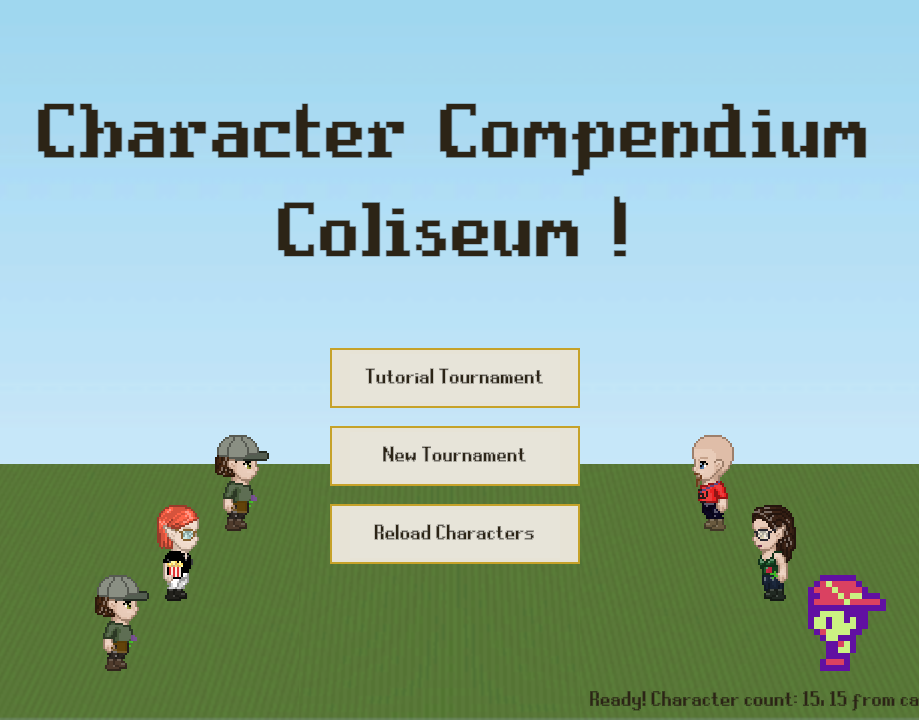
Character Compendium Coliseum
Tournament TCG-style autobattler featuring characters from rpg.actor
GPU Poor LLM Arena - a Hugging Face Space by k-mktr
Compact LLM Battle Arena: Frugal AI Face-Off!
Sarmizegetusa Regia
Sarmizegetusa Regia was the capital and the most important military, religious and political centre of the Dacians before the wars with the Roman Empire. Built on top of a 1200 m high mountain, the fortress, consisting of six citadels, was the core of a strategic and defensive system in the Orăștie Mountains. The archaeological site of Sarmizegetusa Regia is located in the village of Grădiștea de Munte in Hunedoara County.

Steam :: Battlerite :: Reflections and Future of Battlerite
A year and a half ago, we sat down to discuss the future. We were beaten and bruised, but eager; a few half-formed ideas competed with our endless passion to create the most adrenaline-filled competitive experience. It was the beginning of a great undertaking, and a wellspring of ideas came forth. Some ideas were strong, others fumbling. Running on nothing but burning desire, the ideas were solidified, refined and molded into reality.

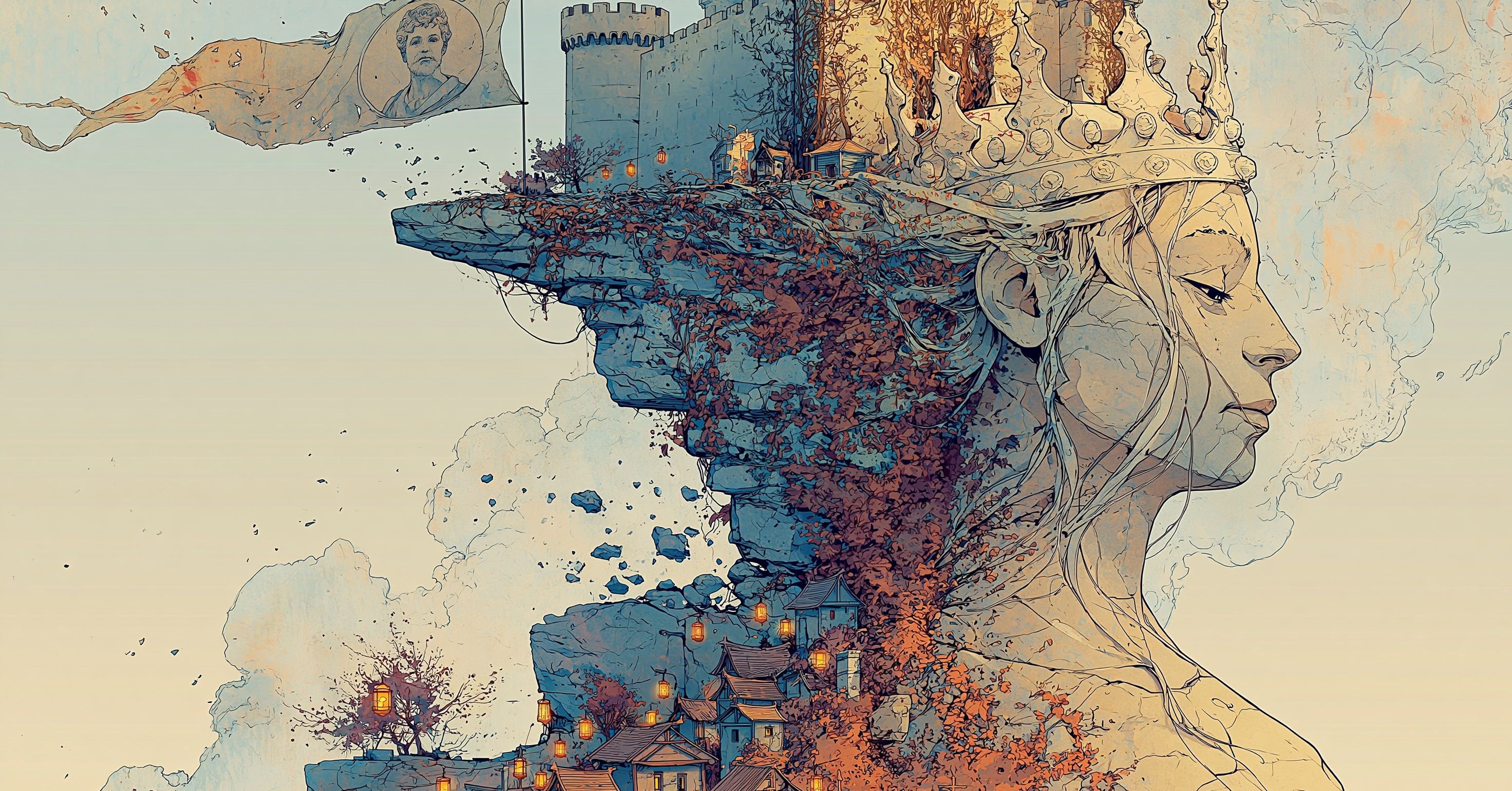
Do not conquer what you cannot defend — LessWrong
Once upon a time there was a great king. He ruled his kingdom with wisdom and economically literate policies, and prosperity followed. Seeing this, t…
1500 Archers on a 28.8: Network Programming in Age of Empires and Beyond
In Age of Empires the time to complete each simulation step varies greatly: the rendering time changes if the user is watching units, scrolling, or sitting over unexplored terrain, and large paths or strategic planning by the AI made the game turn fluctuate fairly wildly. A few quick calculations show that passing even a small set of data about the units, and attempting to update it in real time would severely limit the number of units and objects interacting with the player. Just passing X and Y coordinates, status, action, facing and damage would limit us to 250 moving units in the game at the most. We wanted to devastate a Greek city with catapults, archers, and warriors on one side while it was being besieged from the sea with triremes. Clearly, another approach was needed.

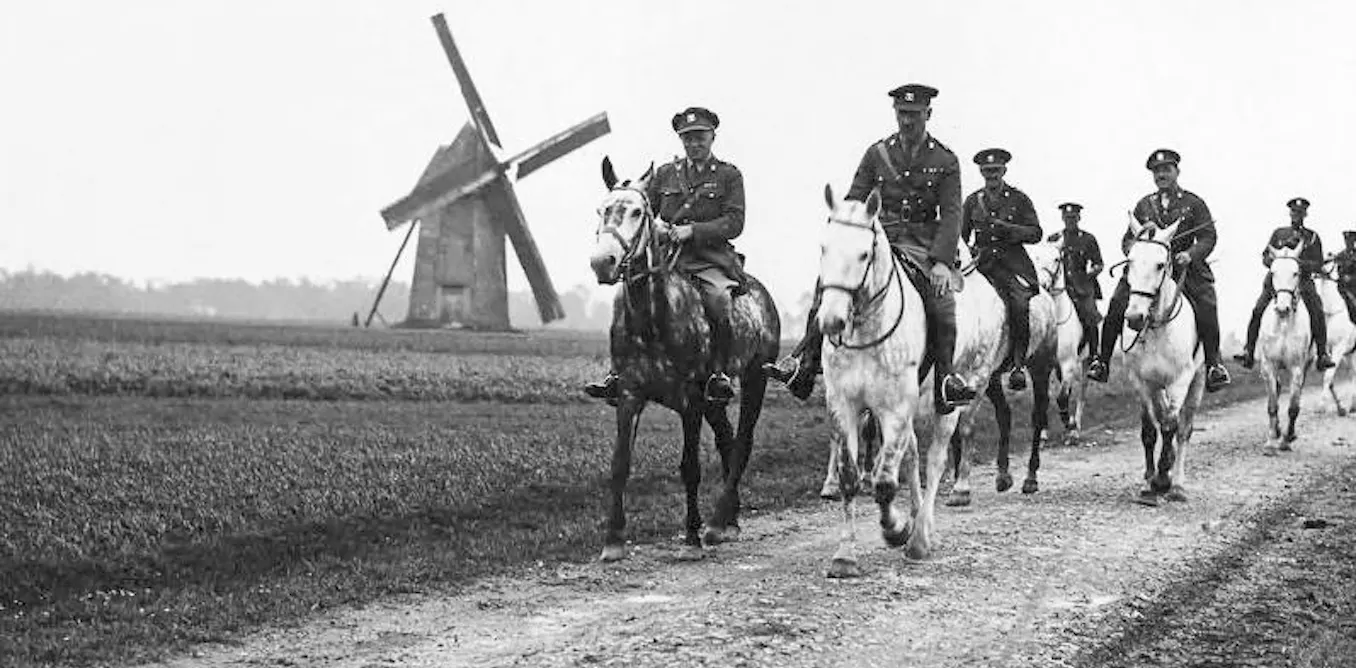
La Première Guerre mondiale du point de vue des chevaux
Indispensables pour la cavalerie, l’infanterie mais également l’artillerie, pour tirer canons, munitions, vivres et hommes, les chevaux ont aussi façonné l'évolution de cette guerre de tranchées.
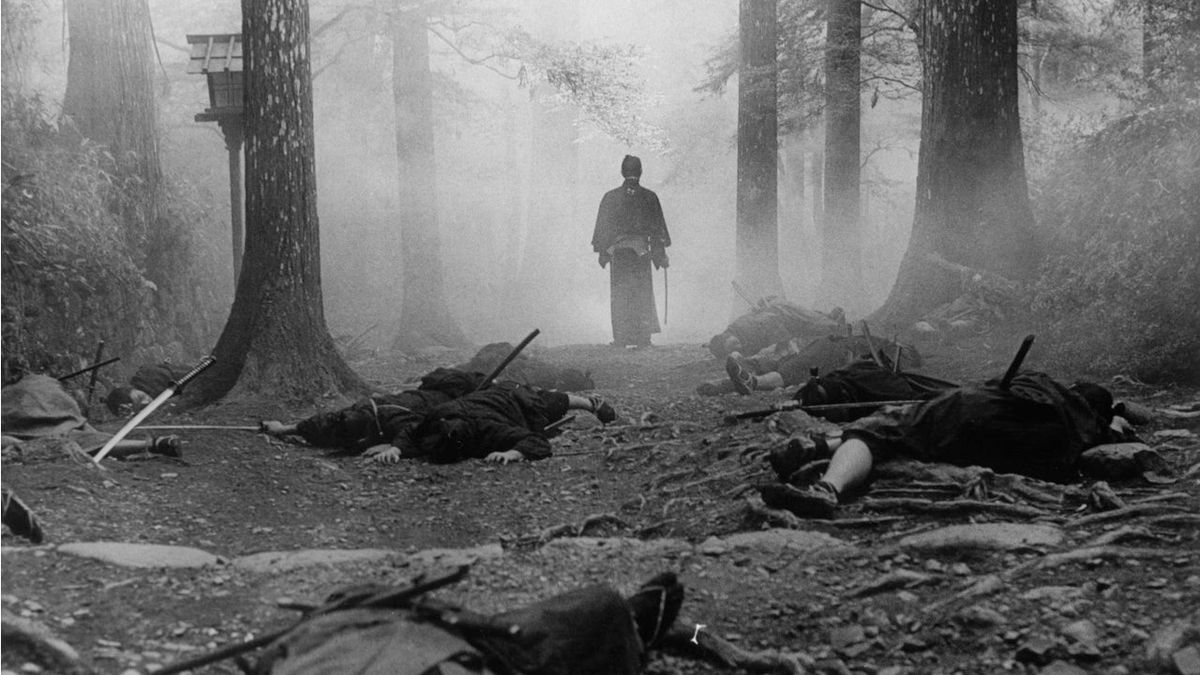
The Sword of Doom (1966)
Ryunosuke, a gifted swordsman plying his trade during the turbulent final days of Shogunate rule, has no moral code and kills without remorse. It’s a way of life that leads to madness.
No One Wins in Nuclear War: Social Simulations of High-stakes Military Decision-making
WOPR is a social-simulation environment for studying how organizations make high-stakes decisions, built on a deterministic, replay-validated rules engine and using wargames as the vehicle. We instantiate it first with the published card game Nuclear War, traced against its published rules. We start with military decision-making because of its safety implications and because it needs further study, but the design is not specific to it: the decision- point contract that exposes the engine to agents is reusable across verifiable rule systems. Existing social-simulation work emphasizes persona fidelity and synthetic opinion, but lacks a verifiable rules engine with replay-checkable mechanics and private-channel negotiation. WOPR supplies that engine, and its contract makes every strategic choice an explicit agent decision. The method is agnostic to social-simulation frameworks; we adopt Concordia as the default harness for driving the game. On the same engine, WOPR layers a four-rung press ladder from silence to private single- recipient channels with structured commitments, and instantiates each faction as a collective command-and-control system rather than a single agent. We make all code, example configurations, and replay data publicly available at https://github.com/eilab-gt/wopr.
La canicule favorise la hausse des violences envers les femmes
Plusieurs études montrent que les épisodes de fortes chaleurs peuvent favoriser les comportements violents. La période actuelle, entre canicule, Coupe du monde de football et arrivée des vacances, constitue un terreau particulièrement fertile pour les violences conjugales et domestiques.

Guerrilla Warfare by Ernesto "Che" Guevara (1998-09-01)
Che Guevara, the larger-than-life hero of the 1959 revo…
