


Primary school pupils need to have at least nine hours' sleep each night or their capacity to learn will be impaired, say researchers.
Why Seven Hours of Sleep Might Be Better Than Eight
Several studies have found that seven hours a night is the best amount of sleep in order to function the next day—not eight, as was long believed.

Insufficient Sleep Associated with Risky Teen Behavior
A new study reports teens who sleep for less than 6 hours per night are at greater risk of mental health issues, substance abuse, accidents and other risk taking behaviors.
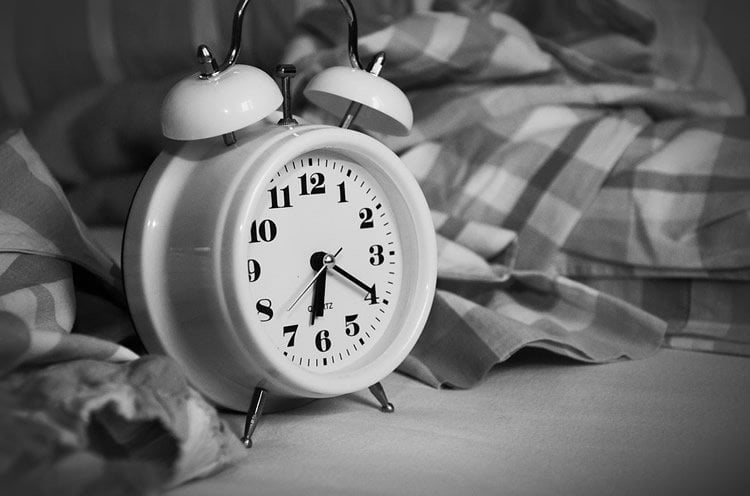
Teenagers to start school at 10am in Oxford University sleep experiment
Thousands of GCSE students will start lessons an hour later to see if it improves their exam results

How much can an extra hour's sleep change you?
The average Briton gets six-and-a-half hours sleep a night. Michael Mosley took part in an unusual experiment to see if this is enough.
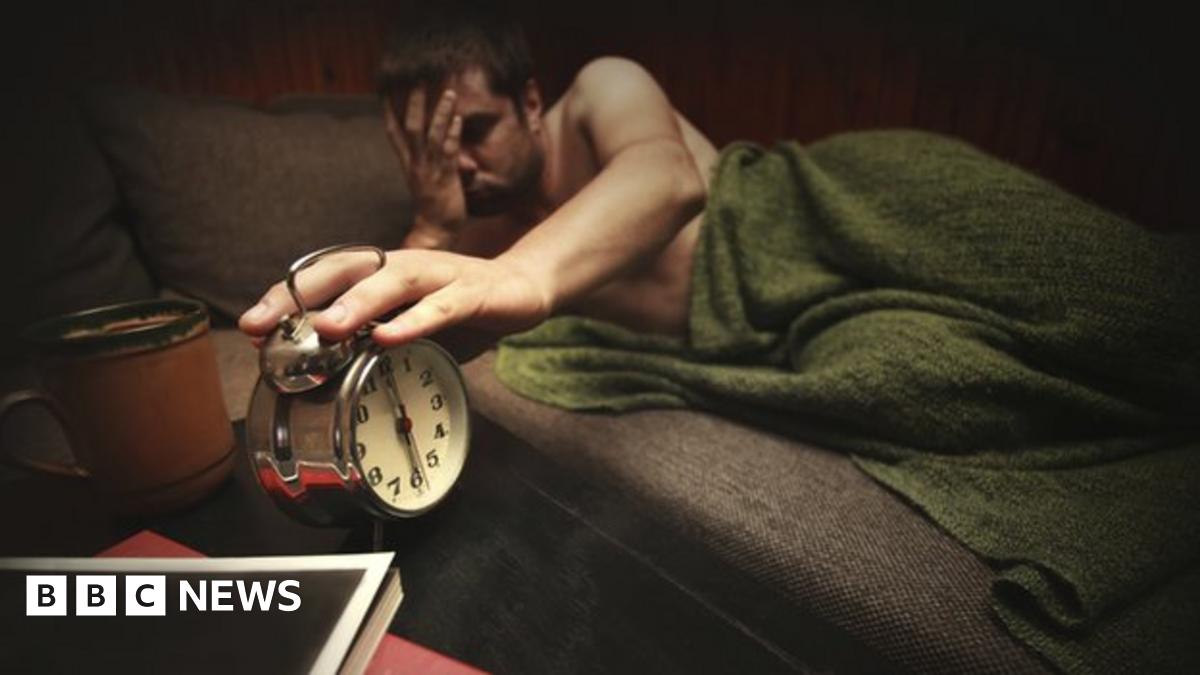

Sleep as a Competitive Advantage
Too many of us live by the myth that one less hour of sleep gives us one more hour of productivity, Tony Schwartz writes in the Life@Work column. In reality, lost sleep not only leaves us more fatigued, but also takes a toll on our cognitive capacity.

Sleep as a Competitive Advantage
Too many of us live by the myth that one less hour of sleep gives us one more hour of productivity, Tony Schwartz writes in the Life@Work column. In reality, lost sleep not only leaves us more fatigued, but also takes a toll on our cognitive capacity.
Sleep: Educational Impact and Habit Formation
In a field experiment among US university students, incentives for sleep increase both sleep and academic performance. Our primary intervention pairs bedtime reminders with morning feedback and immediate rewards for sleeping at least 7 hours on weeknights. The intervention raises the share of weeknights with 7+ hours of sleep by 26% and average sleep by 19 minutes during a 4-week treatment period, with posttreatment effects of 8 minutes. Immediate incentives outperform both delayed incentives and reminders/feedback alone during treatment but have no distinguishable impacts posttreatment. The primary intervention improves average semester course performance by 0.075–0.089 grade points, a 0.10–0.11 standard deviation increase. Our results demonstrate that incentives targeting sleep can be a cost-effective approach to improve educational outcomes.
Are two halves better than one whole? A comparison of the amount and quality of sleep obtained by healthy adult males living on split and consolidated sleep-wake schedules
The aim of this study was to compare the quantity/quality of sleep obtained by people living on split and consolidated sleep-wake schedules. The study had a between-groups design, with 13 participants in a consolidated condition (all males, mean age of 22.5yr) and 16 participants in a split condition (all males, mean age of 22.6yr). Both conditions employed forced desynchrony protocols with the activity:rest ratio set at 2:1, but the consolidated condition had one sleep-wake cycle every 28h (9.33+18.67), while the split condition had one sleep-wake cycle every 14h (4.67+9.33). Sleep was assessed using polysomnography. Participants in the split and consolidated conditions obtained 4.0h of sleep per 14h and 7.6h of sleep per 28h, respectively. Some differences between the groups indicated that sleep quality was lower in the split condition than the consolidated condition: the split sleeps had longer sleep onset latency (9.7 vs. 4.3min), more arousals (7.4 vs. 5.7 per hour in bed), and a greater percentage of stage 1 sleep (4.1% vs. 3.1%), than the consolidated sleeps. Other differences between the groups indicated that sleep quality was higher in the split condition than the consolidated condition: the split sleeps had a lower percentage of wake after sleep onset sleep (11.7% vs. 17.6%), and a greater percentage of slow wave sleep (30.2% vs. 23.8%), than the consolidated sleeps. These results indicate that the split schedule was not particularly harmful, and may have actually been beneficial, to sleep. Split work-rest schedules can be socially disruptive, but their use may be warranted in work settings where shiftworkers are separated from their normal family/social lives (e.g., fly-in fly-out mining) or where the need for family/social time is secondary to the task (e.g., emergency response to natural disasters).
The myth of the eight-hour sleep
Sleeping in one eight-hour chunk is a very recent phenomenon, and lying awake at night could be good for you, according to scientists and historians.
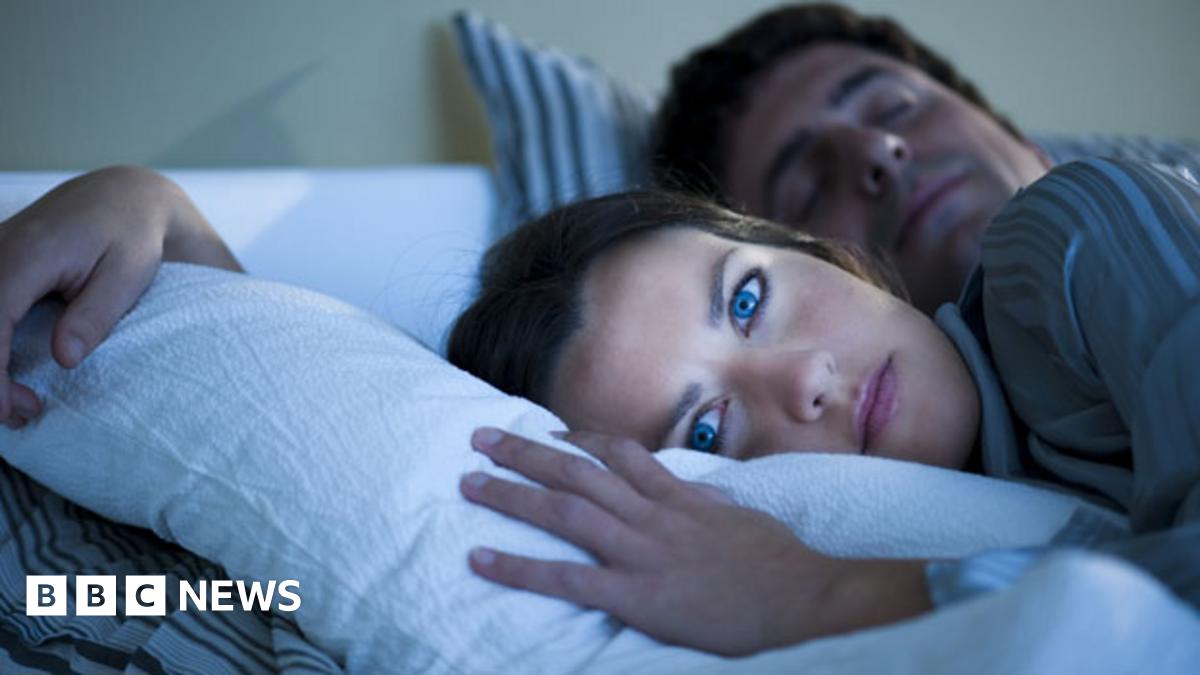
Sleep deprivation is not a badge of honor
Forgoing sleep is like borrowing from a loan shark. Sure you get those extra hours right now to cover for your overly-optimistic estimation, but at what price? The shark will be back, and if you ca…

Regular naps are 'key to learning'
Regular and lengthy naps are the key to memory and learning in early life, say scientists.

A Good Night’s Sleep Is Tied to Interruptions, Not Just Hours
New research shows that waking up several times in a night’s sleep can cause bad moods and limit one’s ability to focus and think.

What Alpha School Actually Built
Alpha says children can learn twice as much in two hours. The software gets most of the attention, but the school around it may matter more.

'Sleep should be prescribed': what those late nights out could be costing you
Leading neuroscientist Matthew Walker on why sleep deprivation is increasing our risk of cancer, heart attack and Alzheimer’s – and what you can do about it
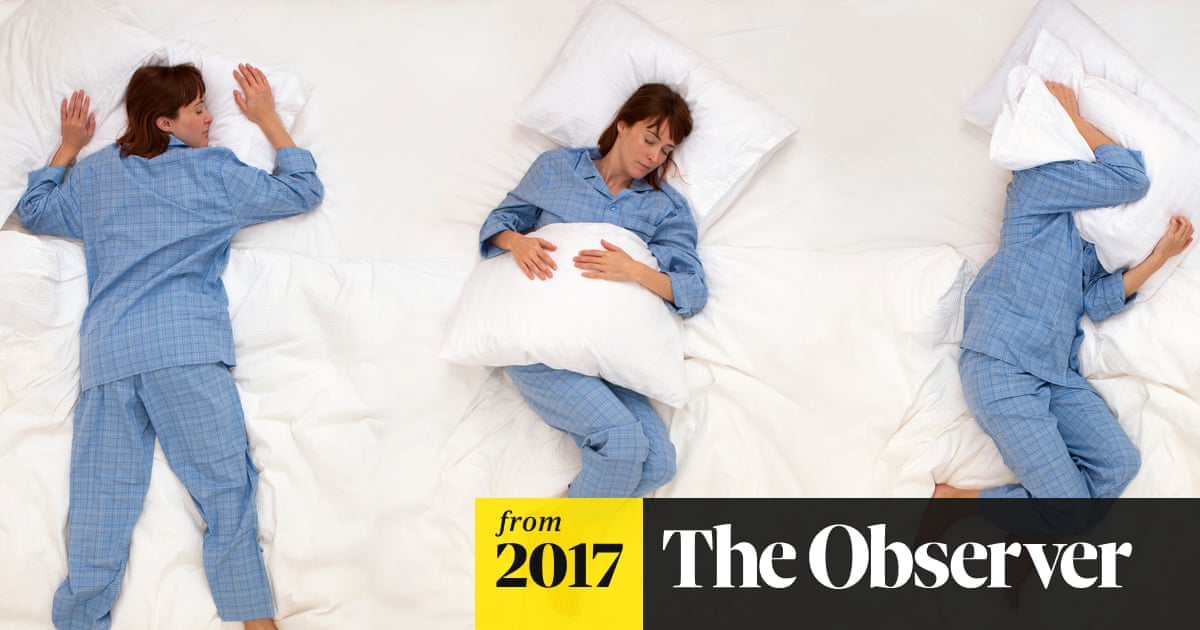
Why We Sleep, and Why We Often Can’t
Does our contemporary obsession with sleep obscure what makes it special in the first place?
