As we face the world’s greatest environmental challenges, BBC Earth brings you solutions in psychology, food, climate change, health, social trends, and technology that can make the world a more sustainable place.
BBC Earth | Environment, Climate Change, AI, Food, Health, Social, & Technology
As we face the world’s greatest environmental challenges, BBC Earth brings you solutions in psychology, food, climate change, health, social trends, and technology that can make the world a more sustainable place.
BBC Earth | Environment, Climate Change, AI, Food, Health, Social, & Technology
As we face the world’s greatest environmental challenges, BBC Earth brings you solutions in psychology, food, climate change, health, social trends, and technology that can make the world a more sustainable place.
Appropriate Technology, Permacomputing, Post Growth, and Ecomodernism.
To adapt to the changing climate, we need to radically rethink how and why we do the things we do. From technology, to social movements, to economics. The world is at stake. And we can change it.
Environmental Cost of Artificial Intelligence: Carbon, Water, and Land Footprints
AI’s rapid growth drives huge energy, water, and land use, raising environmental and equity challenges across its global infrastructure.
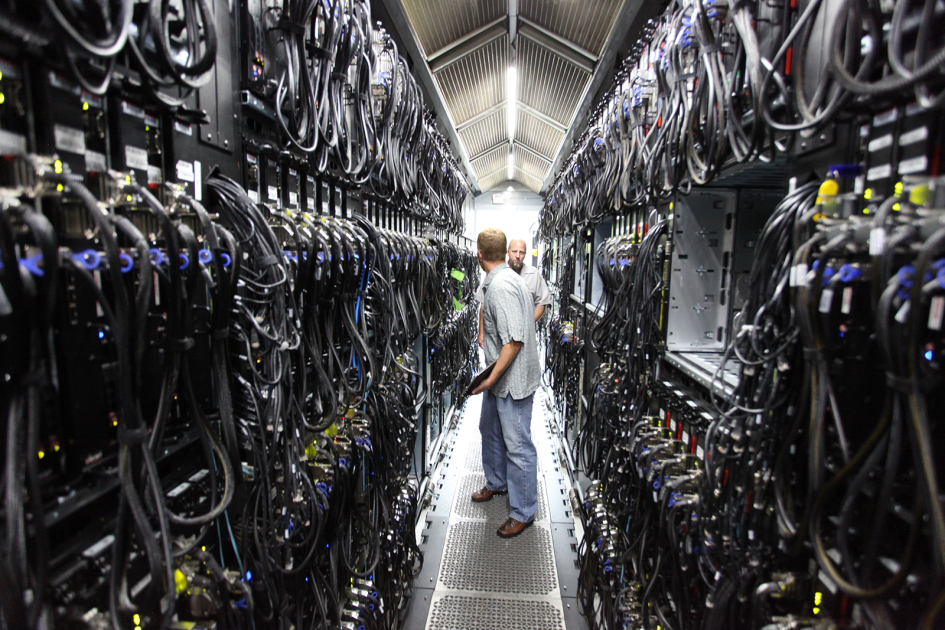
Environmental Cost of Artificial Intelligence: Carbon, Water, and Land Footprints
AI’s rapid growth drives huge energy, water, and land use, raising environmental and equity challenges across its global infrastructure.

AI’s climate impact is much smaller than many feared
New findings challenge the widespread belief that AI is an environmental villain. By analyzing U.S. economic data and AI usage across industries, researchers discovered that AI’s energy consumption—while significant locally—barely registers at national or global scales. Even more surprising, AI could help accelerate green technologies rather than hinder them.

How we rank the world's most pressing problems (and why)
We started with global health, then pandemics. Now we focus on AI risk. How our views changed and what problems we'd recommend you work on today.
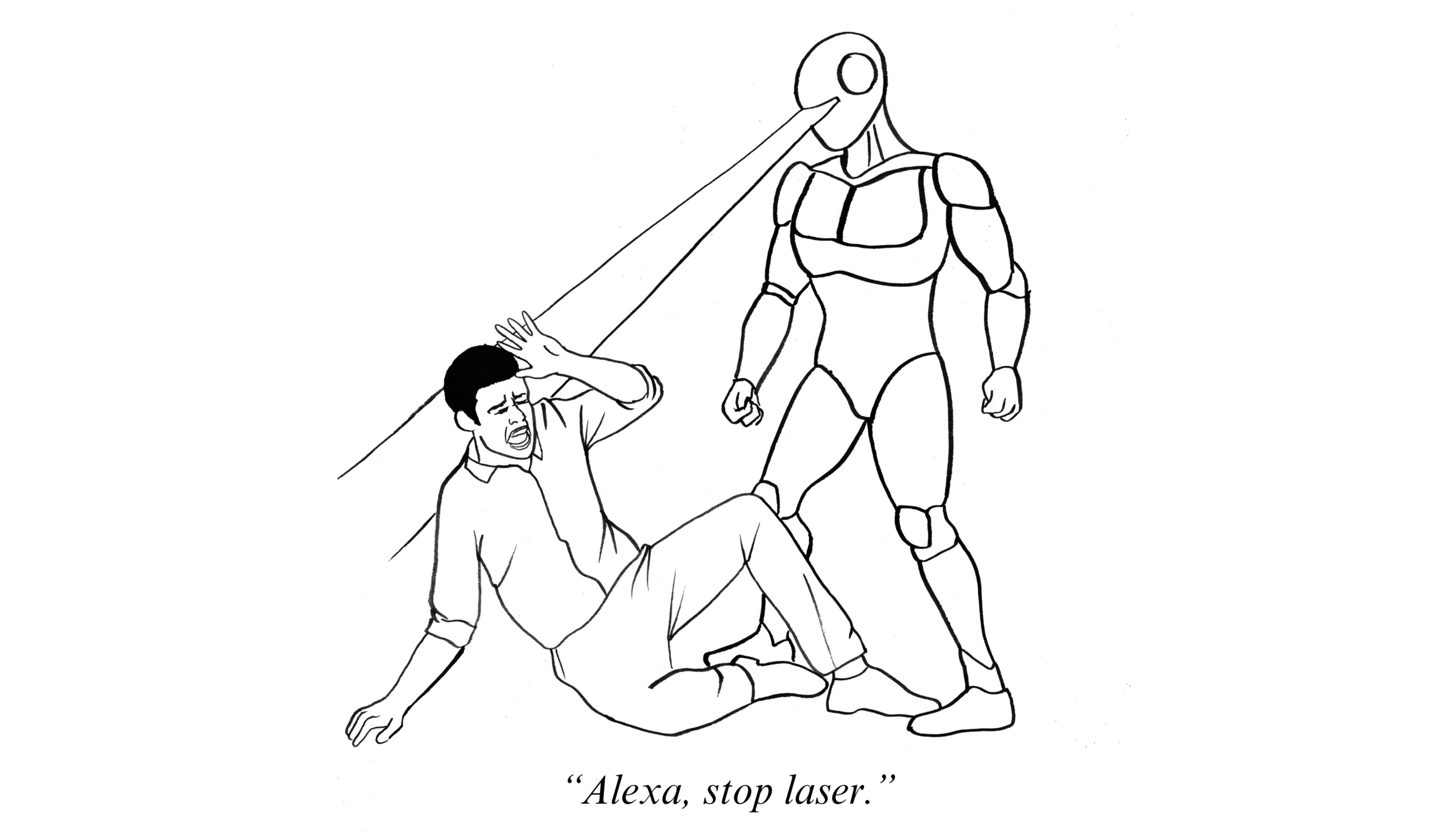
Appropriate Measures — Real Life
Changing the tech we use is not enough to mitigate the environmental and social harm of mass technology

How to solve climate change and make life more awesome
We already have all the tools we need to fix climate change. We just need to use them.

Home - ClimateAction.Tech
The climate crisis is happening all around us. As tech workers, we can use our skills to take and accelerate climate action.

The “Anthropocene”
Human activities are exerting increasing impacts on the environment on all scales, in many ways outcompeting natural processes. This includes the manufacturing of hazardous chemical compounds which are not produced by nature, such as for instance the...

Google.org Impact Challenge: AI for Science
The Google.org Impact Challenge: AI for Science is a $30M global initiative to accelerate scientific breakthroughs that improve human health and build climate resilience.
How to be a wise optimist about science and technology?
I believe the central problem of the 21st century is how civilization co-evolves with science and technology. As our understanding of the world deepens, it enables technologies that confer ever more power to both improve and damage the world. There's currently much public discussion of this in the context of artificial superintelligence (ASI). However, it's a fundamental recurring challenge, affecting areas including climate change, genetic engineering, nanotechnology, geoengineering, brain-computer interfaces, and many more. How can we best benefit from science and technology, while supplying safety sufficient to ensure a healthy, flourishing civilization?
Incomputable Earth: Technology and the Anthropocene Hypothesis
This open access collection argues that climate breakdown represents an irreducibly incomputable problem that cannot be resolved through algorithmic optimization or cybernetic planetary management.

AI’s energy usage is less than previously thought | Waterloo News
Contrary to popular belief, new research finds that the use of artificial intelligence has a minimal effect on global greenhouse gas emissions and may actually benefit the environment and the