


Travelling by plane has become an everyday activity – but our bodies and brains are still affected by it.
How We Pay Attention Changes the Very Shape of Our Brains
Imagine arriving at the airport just in time to catch a plane. Everything in your behavior betrays the heightened concentration of your attention. Your mind on alert, you look for the departures si…

What the Studies Say About How AI Affects Your Brain: A (Very Big) Compilation
The entire literature clearly points to a single surprising finding
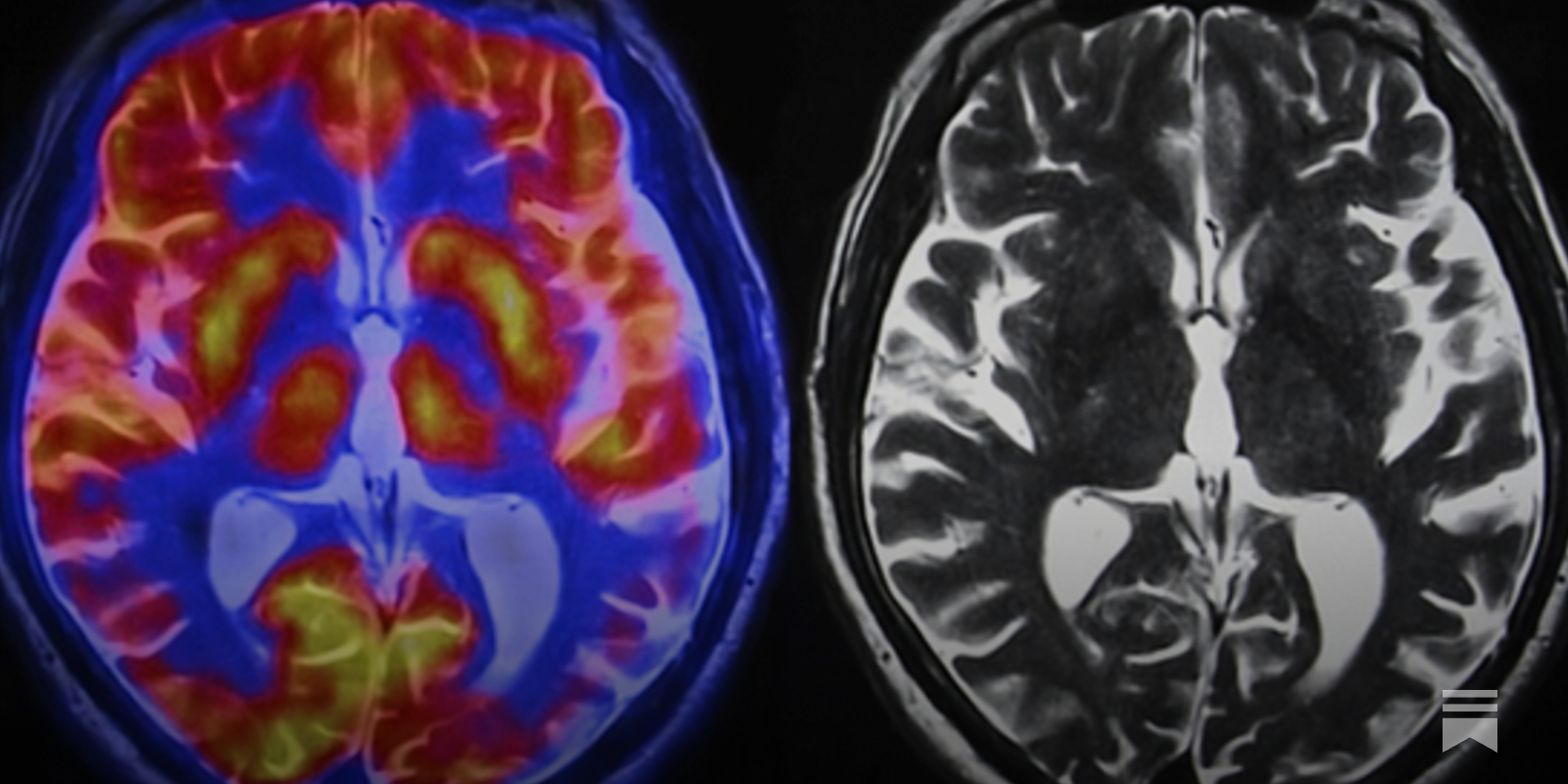
Opinion | Yes, Your Sleep Schedule Is Making You Sick (Published 2017)
What jet lag, insomnia and mental illness have in common.

AI Use at Work Is Causing “Brain Fry,” Researchers Find, Especially Among High Performers
The increased speed and multitasking that AI allows at work is leading to many workers experiencing "brain fry," a new study found.

To Make Sense of the Present, Brains May Predict the Future | Quanta Magazine
A controversial theory suggests that perception, motor control, memory and other brain functions all depend on comparisons between ongoing actual experiences and the brain’s modeled expectations.

There's no point at which turning your brain off will work
This Is Your Brain on Exercise
Exercise is as good for your brain as it is for your body, and researchers are just beginning to discover why
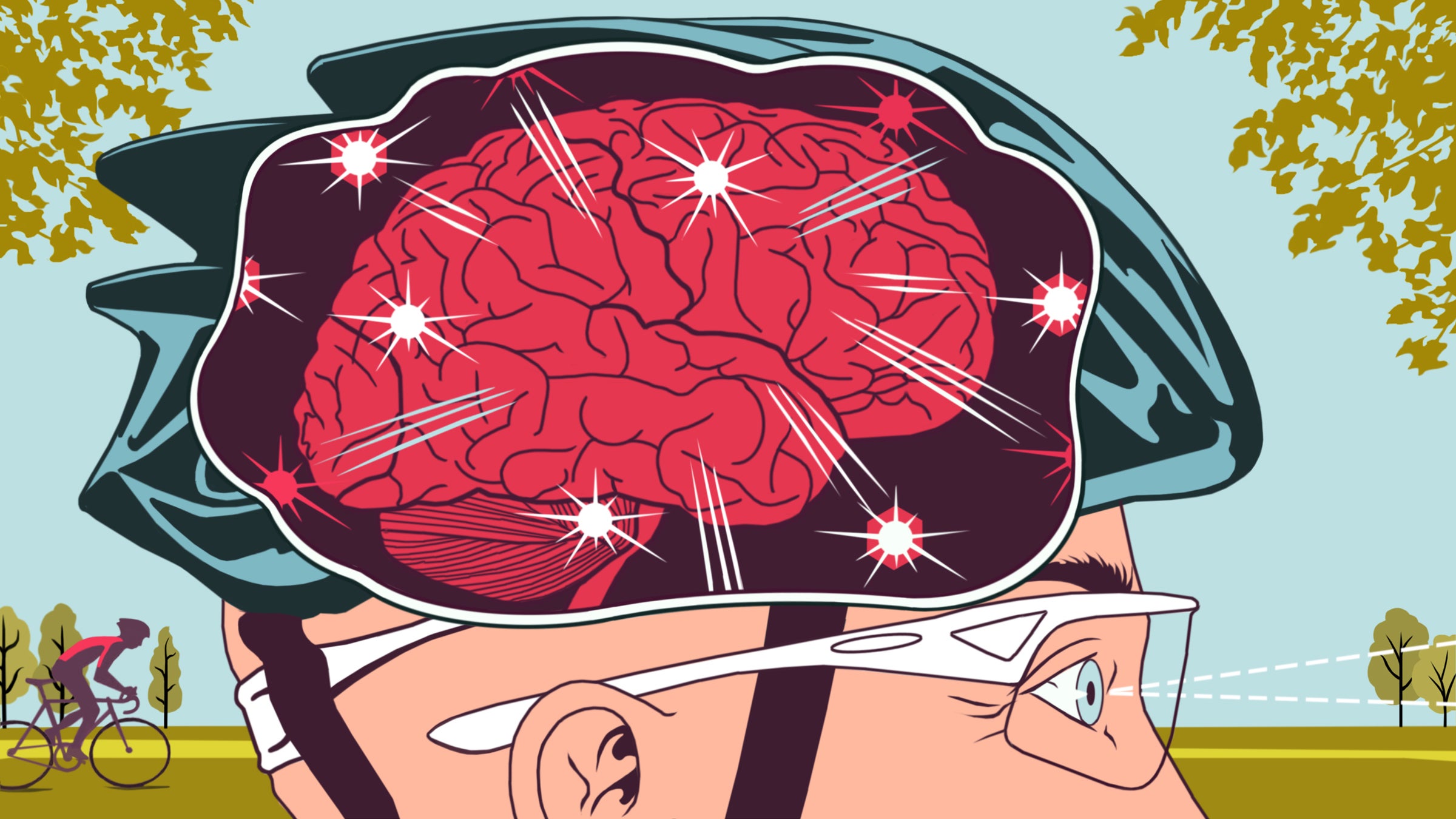
The sky is psychedelic: why so many people see strange lights in the sky
Your brain evolved to see deep meaning in the sky. And UFOs.

Opinion | There’s a Good Reason You Can’t Concentrate
Just as we changed our thinking around physical fitness, we need to change our attitude toward cognitive fitness.

By Humans, For Humans – Mindful Design
Now, more than ever, we need to consider the real, human impact of the work we do. This is a fundamental principle of Mindful Design.

The brain's 7D sandcastles could be the key to consciousness | New Scientist
We’ve glimpsed mind-bending geometric structures that fleetingly encode our thoughts, memories and feelings – and could solve the greatest mystery of all

Cognitive Offloading
If you have ever tilted your head to perceive a rotated image, or programmed a smartphone to remind you of an upcoming appointment, you have engaged in cognitive offloading: the use of physical action to alter the information processing requirements of a task so as to reduce cognitive demand. Despite the ubiquity of this type of behavior, it has only recently become the target of systematic investigation in and of itself. We review research from several domains that focuses on two main questions: (i) what mechanisms trigger cognitive offloading, and (ii) what are the cognitive consequences of this behavior? We offer a novel metacognitive framework that integrates results from diverse domains and suggests avenues for future research.
Air pollution causes ‘huge’ reduction in intelligence, study reveals
Impact of high levels of toxic air ‘is equivalent to having lost a year of education’

The Terrorist in the Brain
What can Robin Williams and Bruce Willis teach us about dementia? This article explores the complex biological realities of brain diseases, controversies in Alzheimer's research, the risks of new drugs, and the multi-billion-dollar industry exploiting our fear of cognitive decline.

Experience, Signal Integration, and the FCLA-SFGA Modes: A Bridge Document
The 80/20 Rule: Reframing Consciousness
Verbalizable Representations Form a Global Workspace in Language Models
If the mind is an ocean, we spend our lives floating at the surface. Beneath us, an enormous amount of processing takes place without our knowledge: our visual systems parsing the contours of a face, our motor circuits maintaining our posture. At any given moment, only a small fraction of this neural activity is accessible to us. Yet it is this privileged sliver of activity that we rely on to reason deliberately: to plan what ingredients to buy for a recipe, or to puzzle out why an engine won’t start. Such thoughts can be articulated out loud, deliberately held in mind, and brought to bear on whatever task the moment demands. This distinction, between our accessible thoughts and our unconscious processing, is perhaps the most striking feature of human cognition.