


Fifteen people are killed on India's roads every hour - but when crashes happen, nobody wants to help.
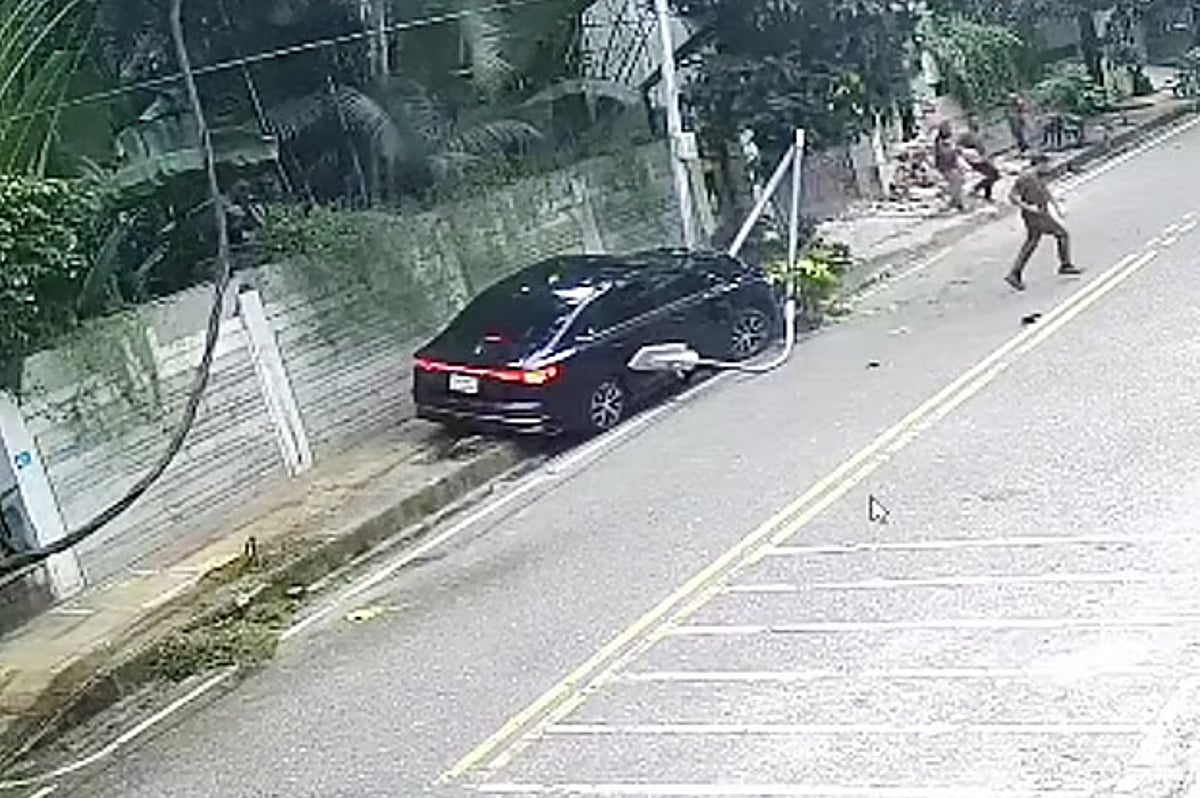
Construction worker killed in Baridhara crash: Teen was at the wheel, another charged in case
Mehedi Hasan (24), a construction worker was sitting on a footpath taking a rest when a speeding private car veered off the road and struck him. Mehedi was crushed under the car's wheels and died at the scene. Following the accident, people at the spot detained a teenager who was in the driver's seat. Police later took him into custody but released him after questioning.
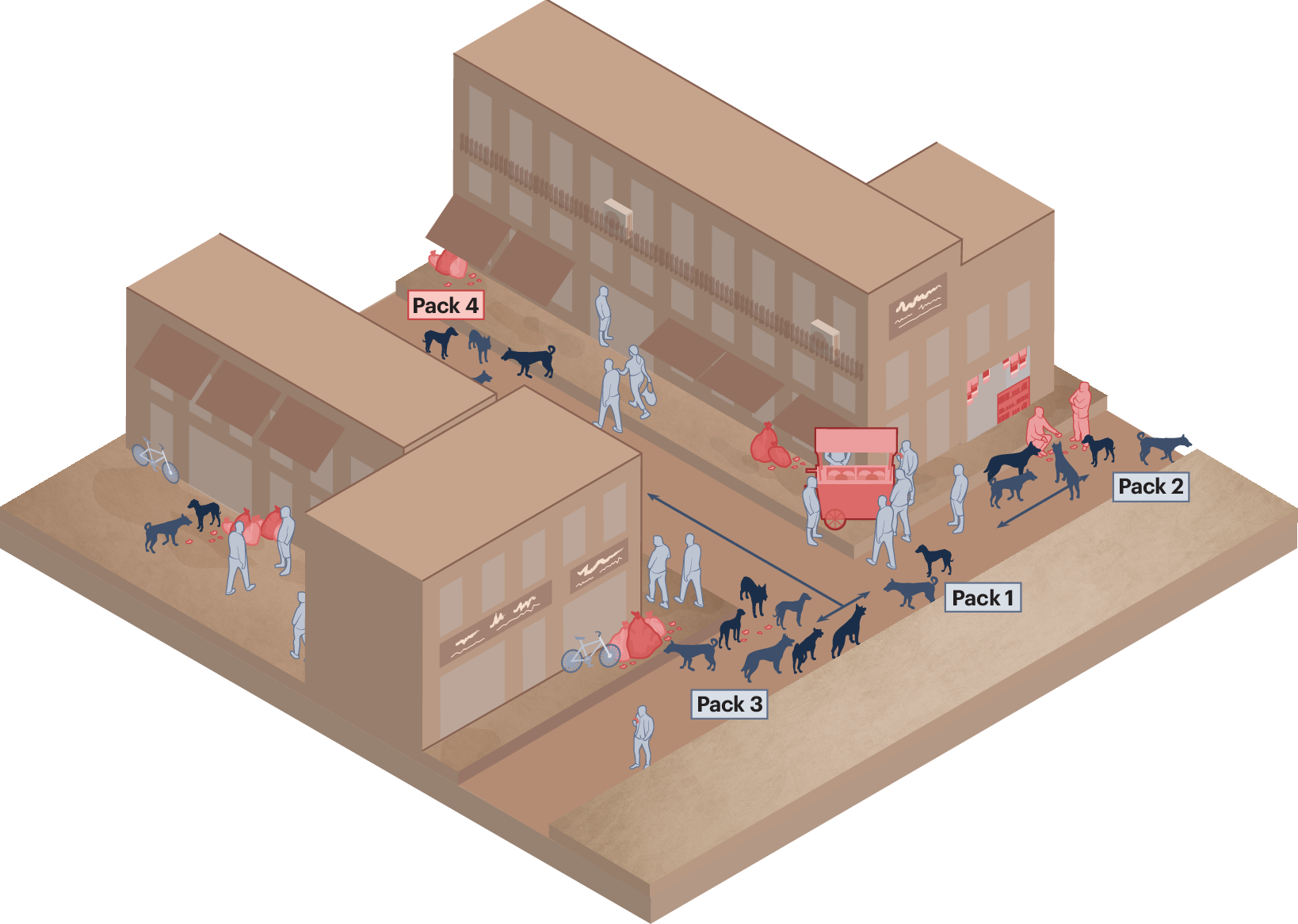
The Indian street dog crisis and multispecies coexistence in tropical urban futures
Cities in the Global South struggle with human–animal coexistence conundrums. For example, in South Asia, old and new collide: people raise livestock informally and feed free-ranging animals within heterogeneously developed, juxtaposed patches, while digital economies boom amid threats from waste piles linked with zoonotic diseases and conflicts. This is exemplified by the free-ranging dog crises in India. Humanity’s oldest companion now suffers between compassion and rising conflicts. Dogs still scavenge, guard, breed, disperse and die on streets shaped by traffic, garbage, ritual feeding and uneven care. Indian courts, attempting to address the problems, have overlooked the root cause—food subsidies. Sterilization, shelters, fencing or removals cannot succeed when urban landscapes provide food subsidies to animals without corresponding responsibility. Episodes of reactive management must yield to urban planning, acknowledging that multispecies communities in shared living spaces are complex and interconnected. Here, I suggest making compassion accountable to public health, animal well-being and urban ecology.
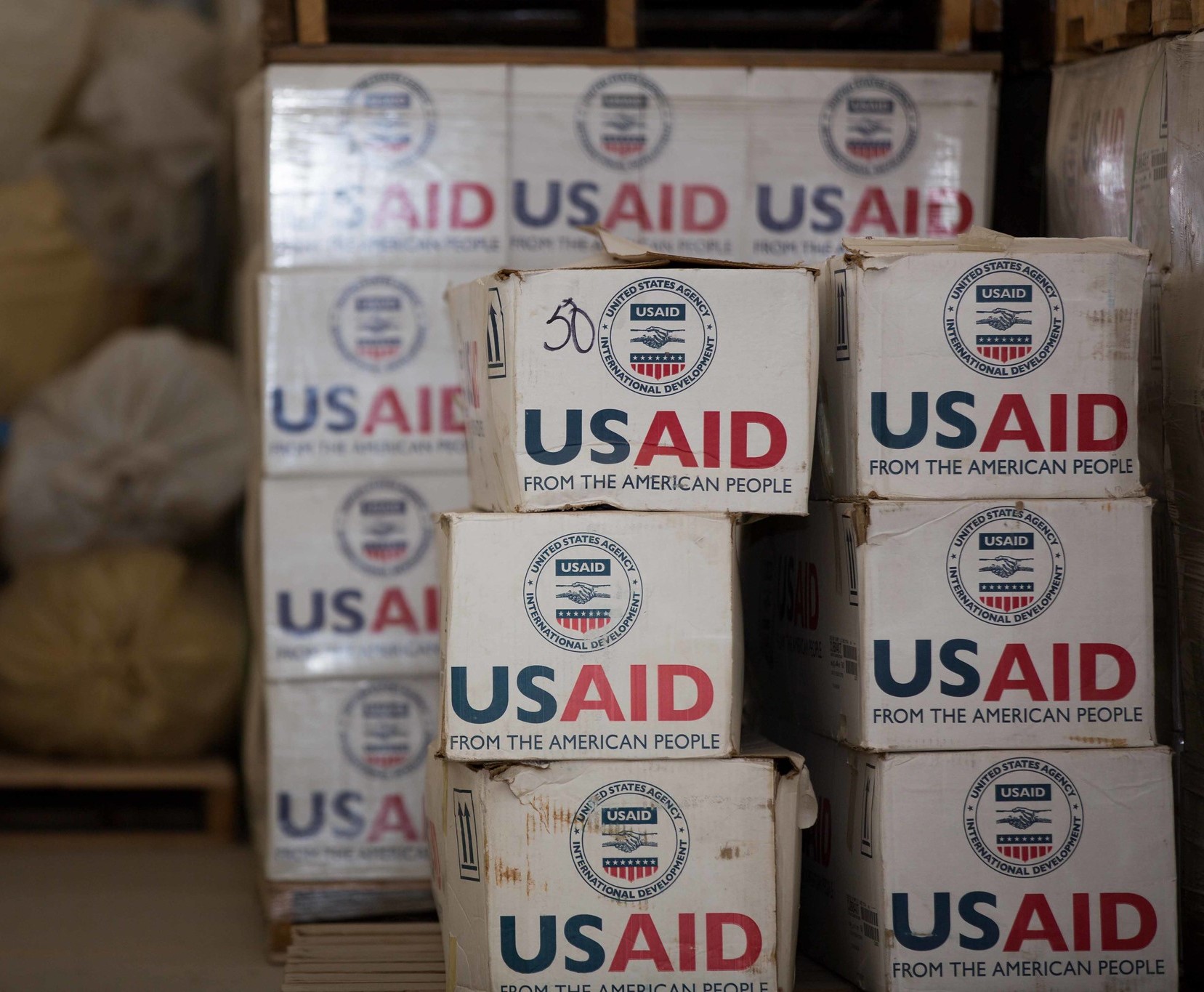
Global aid cuts could lead to 23 million deaths by 2030, study estimates
Lab tests are negative for more than 200 pathogens, but testing continues.

Mutual Aid Hub
Find Mutual Aid Networks and other community self-support projects near you. Join these important efforts, offer resources, or submit needs requests.

How Many Lives Does US Foreign Aid Save?
We present some estimates for lives saved by US assistance worldwide, with illustrative estimates by recipient country. Our core estimates are for deaths prevented from HIV/AIDS, vaccine-preventable illnesses covered by Gavi, tuberculosis, malaria, and emergency/humanitarian relief. We suggest the number of lives saved per year may range between 2.3 to 5.6 million with our preferred number resting on gross estimates of 3.3 million.
Americans’ love affair with big cars is killing them
New analysis shows that the heaviest vehicles kill more people than they save in crashes

Politics Gets Interested In Those Trying Not To Die
This was the month the world took notice that AI might kill everyone.
Community Networks: Critical Infrastructure For Rural Connectivity In India
As India goes digital-first, millions remain offline. Locally run networks show how connectivity can be built where markets fall short.

Why is everyone so busy?
Time poverty is a problem partly of perception and partly of distribution

Deep Response: An Emergency Education in Post-Consumer Praxis
You see the climate destabilization, biodiversity loss, resource scarcity, toxic bioaccumulation, and climate injustice happening all around us. You aren't the type to bury your head in the sand or shrug it off and so you roll up your sleeves. But where to start? How to ensure your work doesn't...

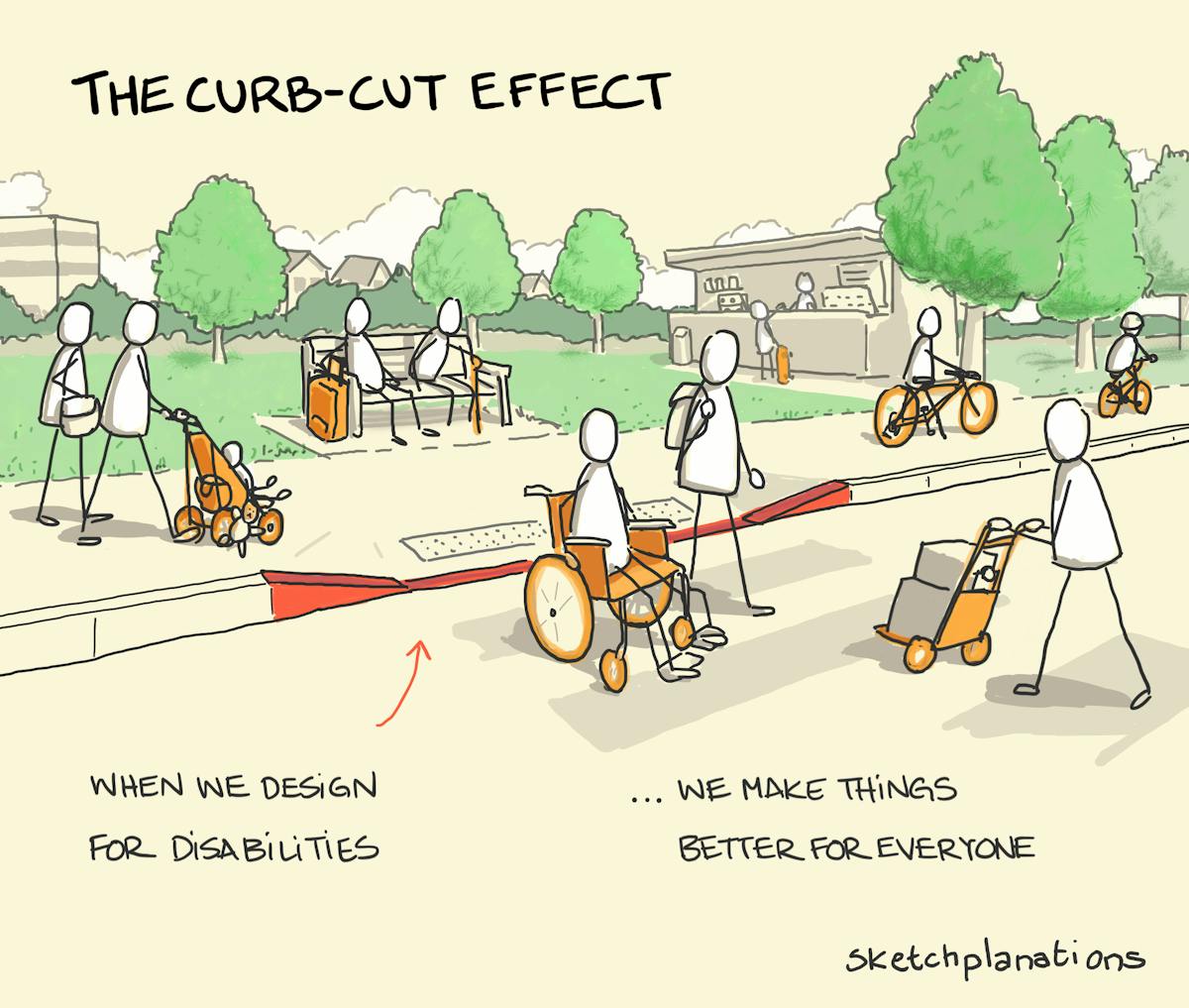
The curb-cut effect
The curb-cut effect illustrates how when we design to benefit disadvantaged or vulnerable groups we end up helping society as a whole. Angela Glover Blackwell explains how campaigning by students with disabilities in Berkeley in the early 1970s led to adding curb cuts to the Berkeley sidewalks to make access easier for those in wheelchairs. Yet it wasn't just people in wheelchairs that it helped. Curb cuts also made life easier for people pushing children in strollers, people using trolleys for deliveries, people pulling a suitcase, those wheeling bikes or on skateboards, and it also helps save lives by guiding people to cross at safe locations. Another example is adding closed captioning to TV that helps anyone watch in a noisy bar, a waiting room, or watching an airline safety video. Or a classic example of universal design in the OXO Good Grips range originally made to be comfortable for holding a peeler even if you have arthritis. It's also a useful analogy for "how laws and programs designed to benefit vulnerable groups, such as the disabled or people of color, often end up benefiting all," (PolicyLink) whether that be increasing broadband access, improving public transport or taking cuts out of curbs. Here's a short, fun video of Gary Karp explaining the curb-cut effect. Thanks to my patron Quintin Balsdon for sharing it with me.
After aid: Thoughts on a localised humanitarian system (part 1)
You have probably read 100+ articles on this topic — USAID shutdown, funding cuts from several EU governments and the UK. An…

Experts: Too many private cars to fix traffic in Dhaka
About 76% of Dhaka roads are occupied by 6% of the population that owns private cars

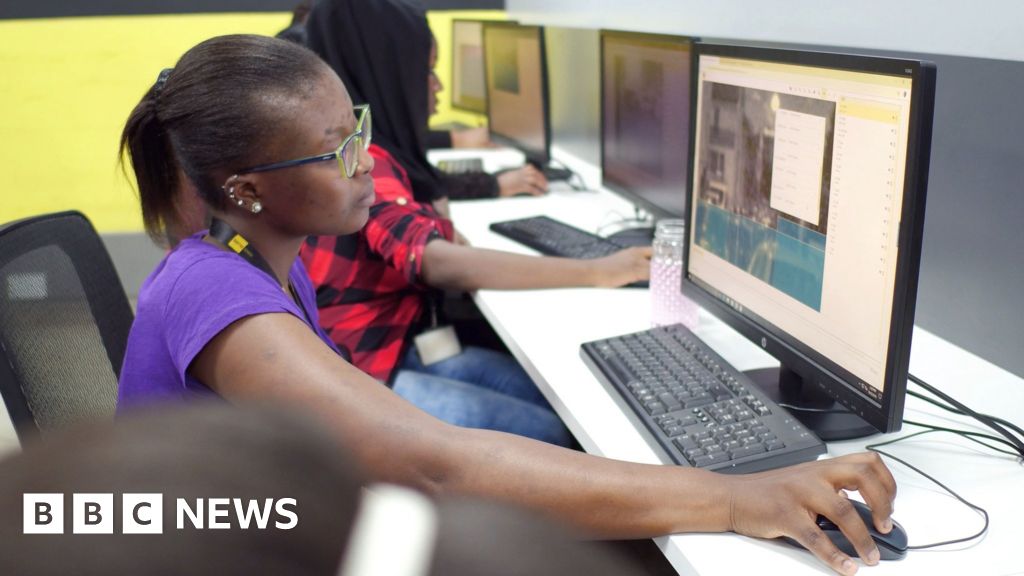
Why Big Tech pays poor Kenyans to teach self-driving cars
The data that powers the most cutting edge technology in Silicon Valley begins in Nairobi's slum.
Humanitarian aid turns to AI as crises outpace capacity
Purpose-designed AI agents with a focus on safety can provide critical assistance to vulnerable populations.

😅 we're just here to help

Kageyama Satsuki
Lmao @firefox.com calling out a lot of people
