


A rare infection left Irenie Ekkeshis blind in one eye - and it seems she may have caught it simply by handling her contact lenses with wet fingers.
Infrared Contact Lenses Allow People To See In the Dark, Even With Eyes Closed - Slashdot
An anonymous reader quotes a report from Phys.Org: Neuroscientists and materials scientists have created contact lenses that enable infrared vision in both humans and mice by converting infrared light into visible light. Unlike infrared night vision goggles, the contact lenses, described in the jour...

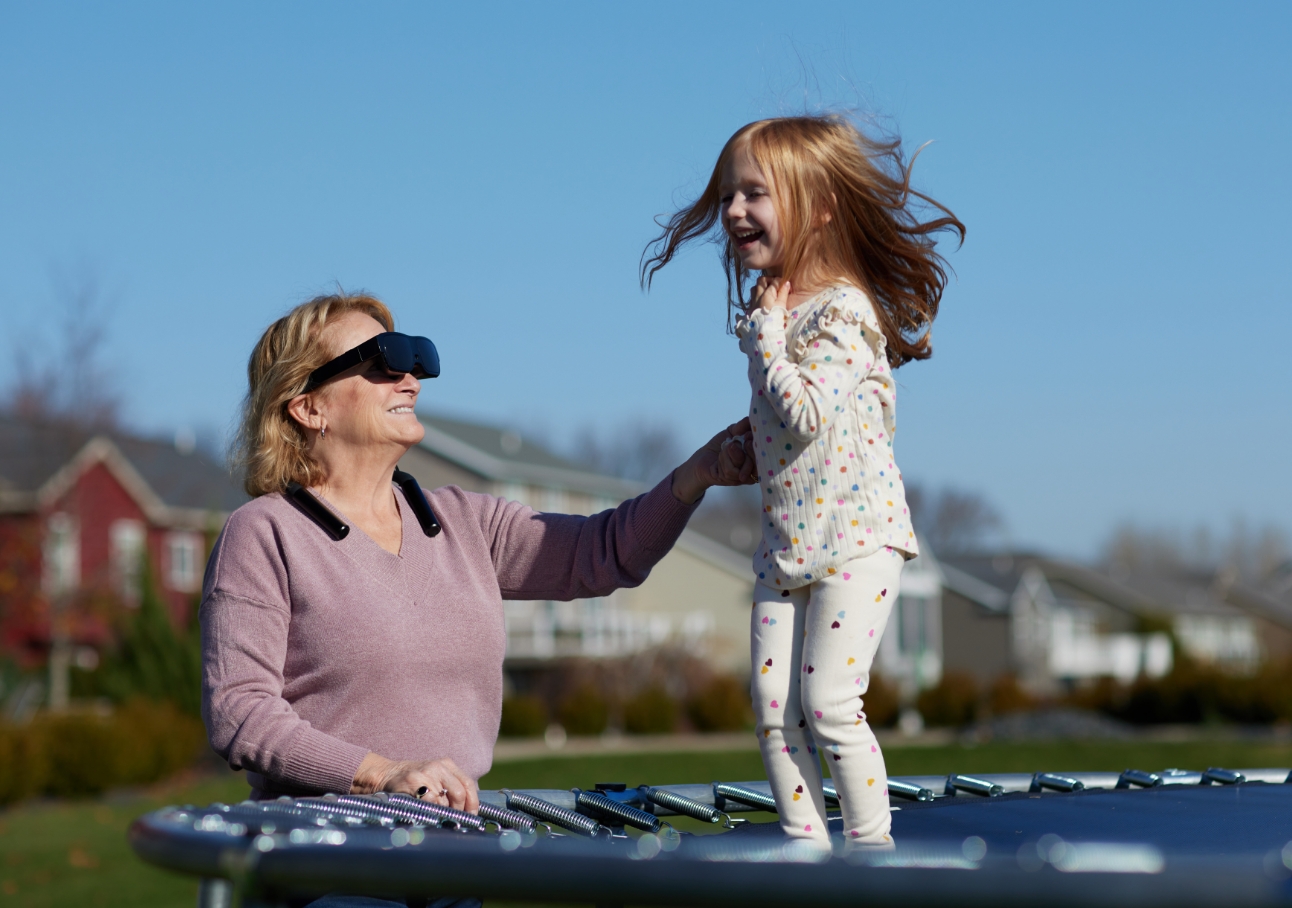
eSight - Electronic eyewear for the visually impaired
eSight is the most advanced all-in-one device for people with visual impairment. Fill out our online form to learn if eSight could help you.

Situational Blindness
This response may be read as a standalone piece, though it will of course be more meaningful if you read the original article first.
New technique to deliver stem cell therapy may help damaged eyes regain their sight
Engineers have developed a new technique for delivering stem cell therapy to the eye which they hope will help the natural repair of eyes damaged by accident or disease. This could help millions of people across the world retain – or even regain - their sight.

A Review of the Ray-ban Meta AI Glasses for People With Low Vision
In the small group of professional certified vision rehabilitation therapists (CVRT), to which I belong, it is not uncommon for us to use the term “magic glasses.” These are the glasses some of our clients hope to find that will improve or restore their vision. It makes sense—in that for many of them, a new prescription once brought things back into focus. Vision loss from macular degeneration, glaucoma, diabetes, and other conditions is usually something that can be managed with proper care, but vision is not typically restored to what it once was. Still, the myth or hope for the magic glasses persists.
The myopia boom
Short-sightedness is reaching epidemic proportions. Some scientists think they have found a reason why.


Blindsight: the strangest form of consciousness
Some people who have lost their vision find a “second sight” taking over their eyes – an uncanny, subconscious sense that sheds light into the hidden depths of the human mind.

Ghost — Reflectacles Privacy Eyewear & Sunglasses: Anti Facial Recognition Glasses since 2015.
Frame reflects both infrared and visible light to cameras and sensors

How to improve your WFH lighting to reduce eye strain | Russell Baylis - Designer
I work from home everyday, I am susceptible to eye strain, eye pain, and dizziness. Having a working environment that’s as easy on my eyes as possible is of critical importance. I'd like to share what I've learned over the years in hopes that it can be helpful to you if you work from home, and like many, have experienced WFH eye strain.
Is Meta Using Disabled People to Promote Its Glasses?
AI glasses are a double-edged sword for disabled people, who face unique risks from surveillance.

Artificial intelligence-powered smart vision glasses for the visually impaired
Purpose: In India, 4.80 million people are blind, and 4.69 million have severe visual impairment. Globally, the digital era and the advent of artificial intelligence devices offer solutions for daily challenges faced by the visually impaired, but they are often expensive. This study evaluates the acceptance and usability of a cost-effective AI-powered spectacle-mounted assistive device in a multicentric Indian cohort. Methods: Smart vision glass (SVG) is a lightweight tool, mounted on a spectacle frame with braille-coded keys and a real-time voice interface for guiding the visually impaired, and is connected to a smartphone Android App. The four major functions of the device are as follows: “Things Around You,” “Reading,” “Walking Assistance,” and “Face Recognition.” Ninety participants were recruited from five vision rehabilitation centers across India, and feedback was collected after a month’s usage. Results: The mean age of the participants was 23.5 years (range: 6 to 56 years) with 58.9% male; 51% from rural areas; and 64.4% students. As per the World Health Organization (WHO) classification, 90% of the participants were blind (best corrected visual acuity in better eye less than 3/60). A total of 100% of the participants were able to access all the functions of the SVG. Participants reported a positive experience with “Reading” (72.9%), “Things Around You” (44.7%), “Face Recognition” (36.5%), and “Walking Assistance” (22.4%). About 2/3rd of the participants utilized the device for an hour or more per day. Conclusion: SVG is a promising cost-effective device for the blind and severe visually impaired in aiding their day-to-day challenges and becoming self-reliant.

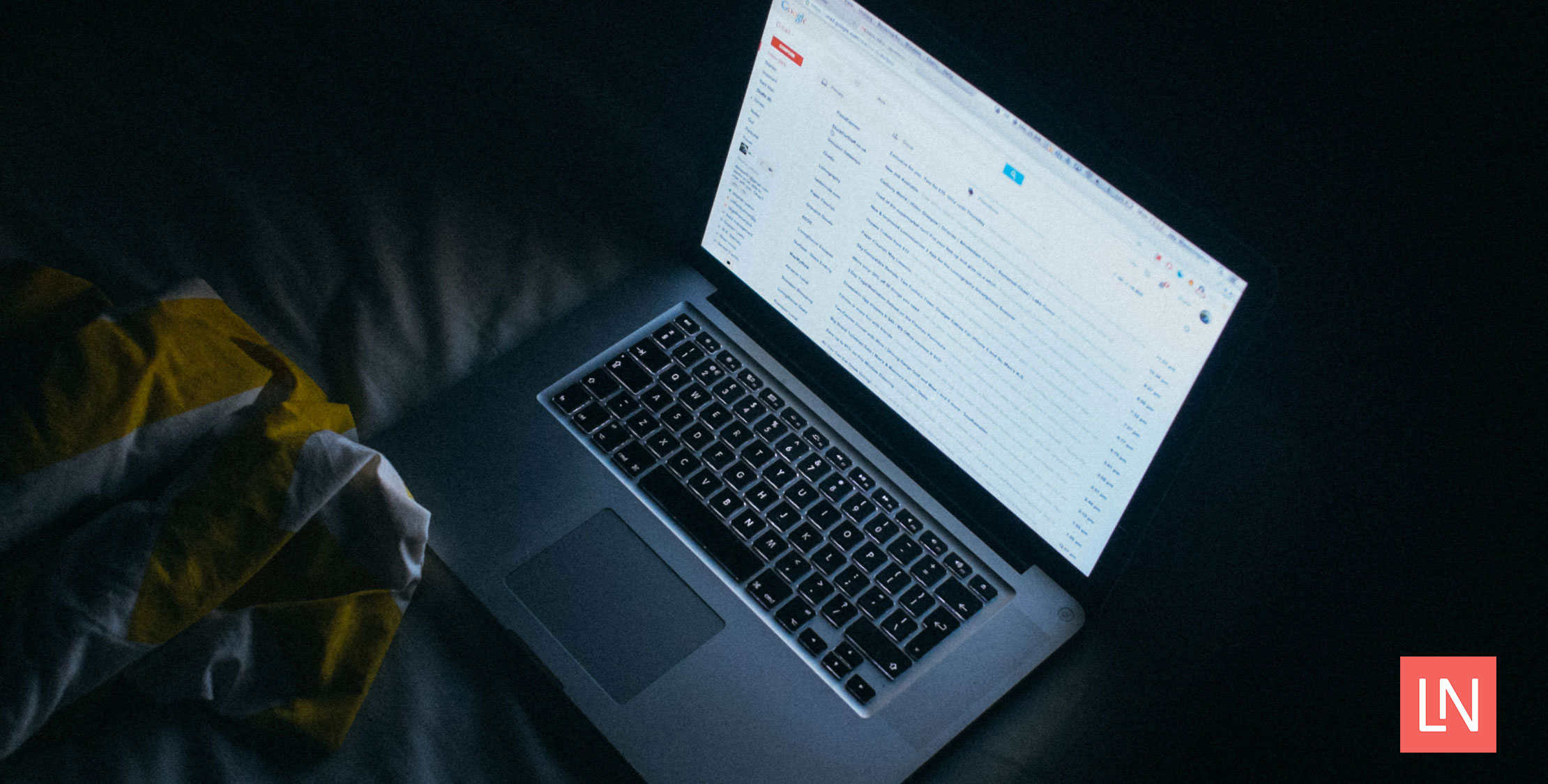
Computer Vision Syndrome
In no point in human history have people been staring at bright screens just a few feet from their face like they are today. Computer vision syndrome or CVS (no…
American Contact Dermatitis Society
The American Contact Dermatitis Society is committed to advancing the care and understanding of dermatitis and allergy.
