This is curious, not only because tea is one of the main stays of civilization in this country, as well as in Eire, Australia and New Zealand, but because the best manner of making it is the subject of violent disputes.
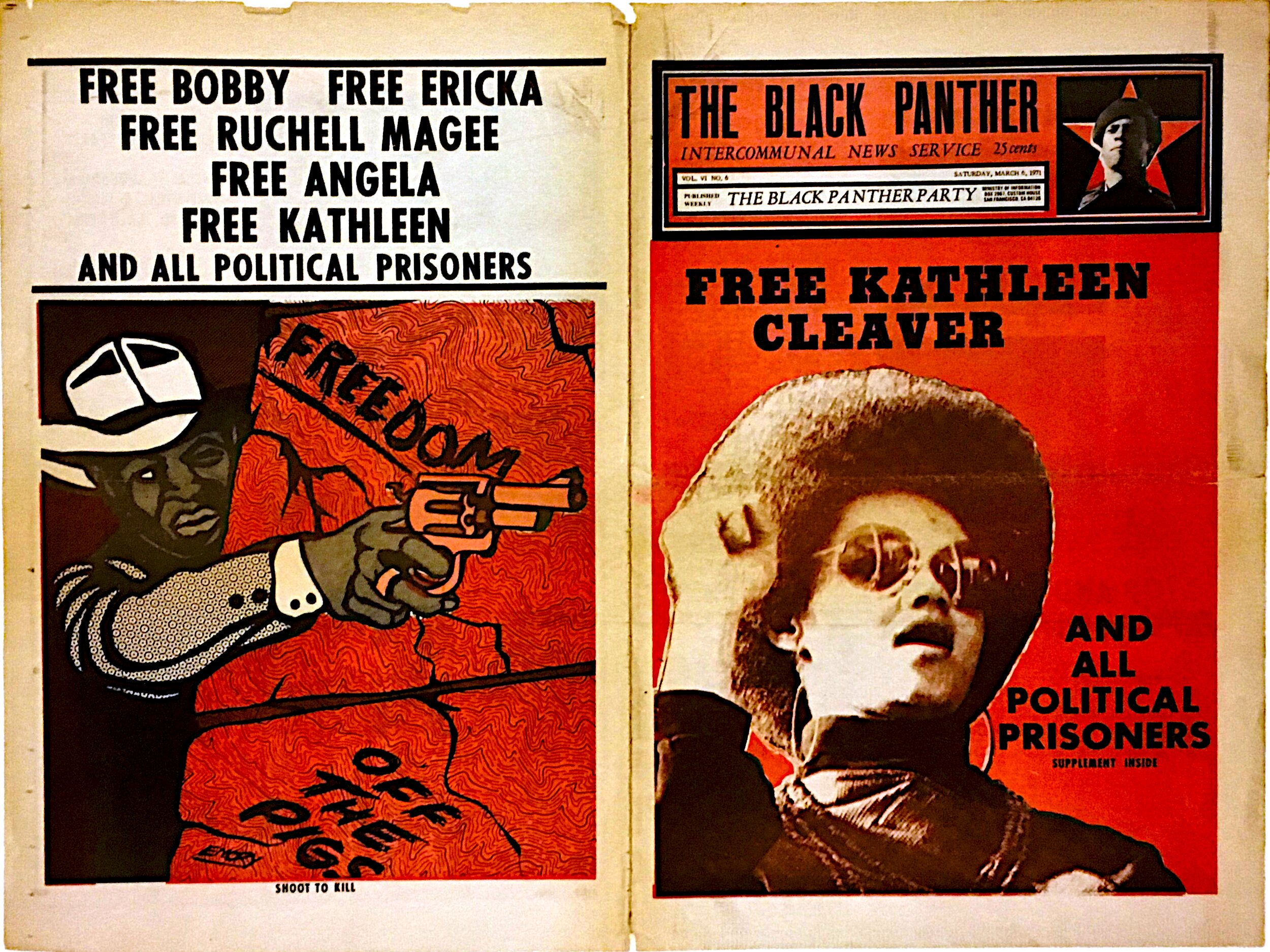
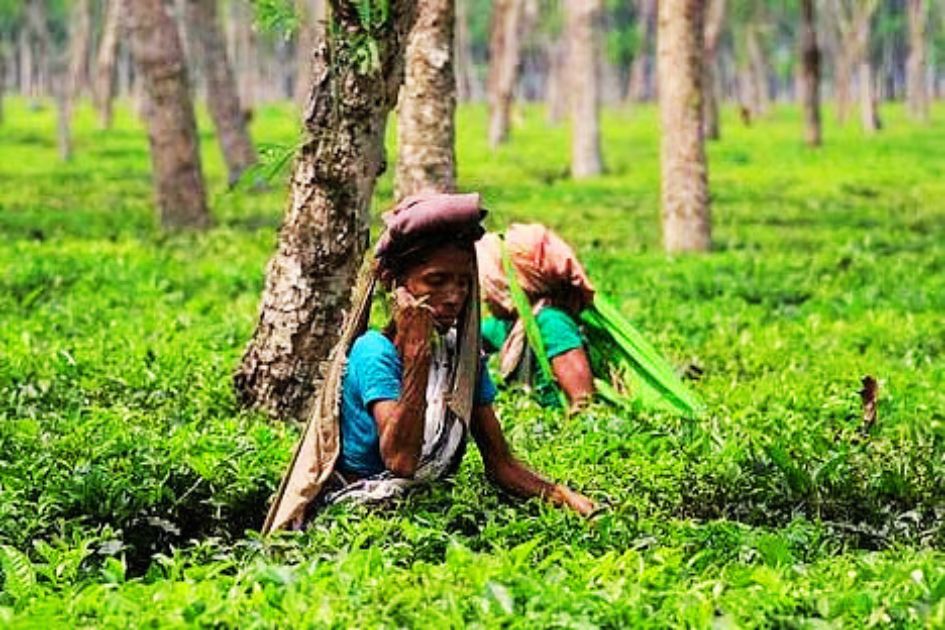
Colonial scars still shape Bangladesh tea workers’ struggle for rights
Bangladesh tea workers renew wage, union and land demands amid colonial-era labour legacies.
I just stumbled over this masterpiece...
8.2K votes, 118 comments. 1.1M subscribers in the tea community. Tea! This subreddit is for discussion of beverages made from soaking camellia…
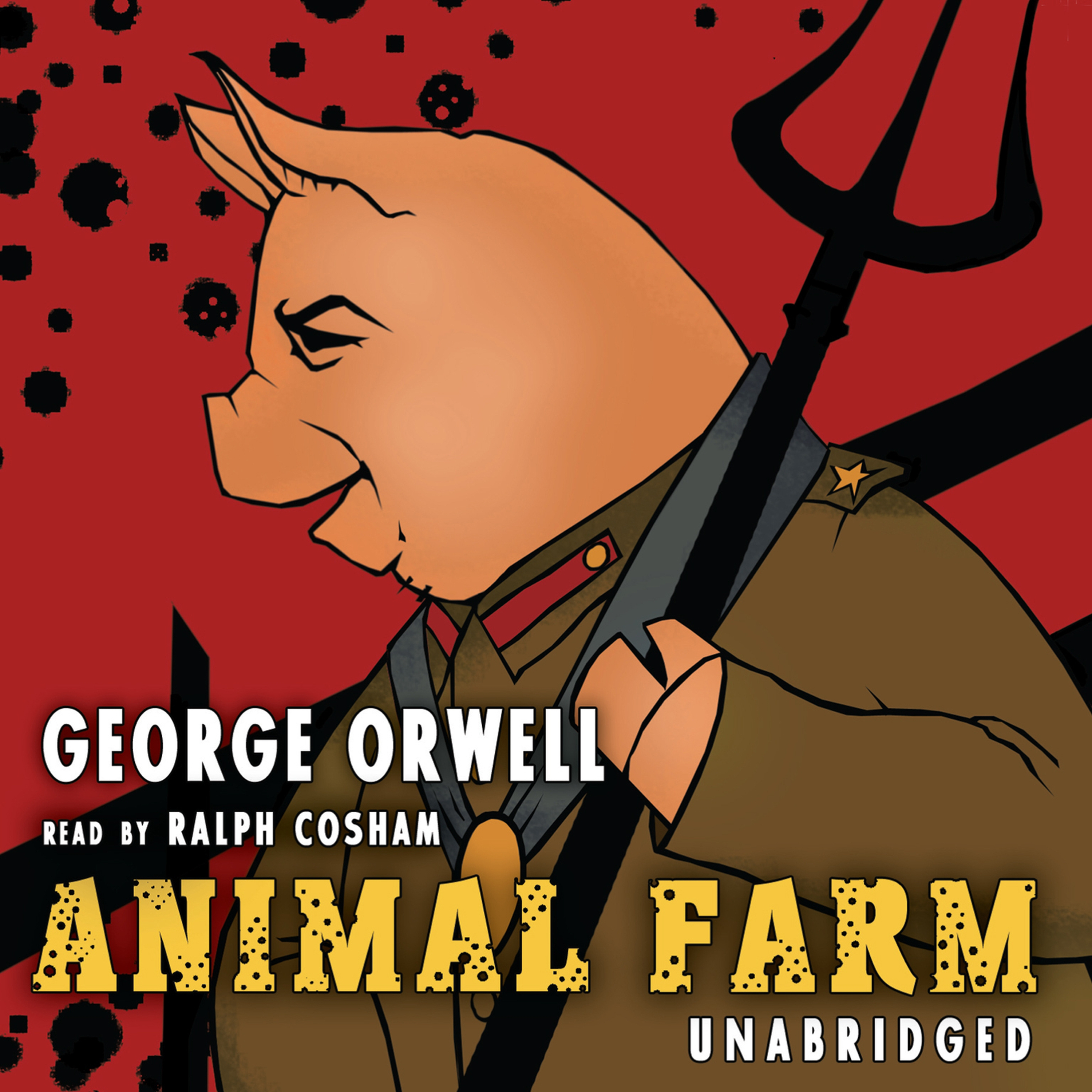
Animal Farm by George Orwell
George Orwell's classic satire of the Russian Revolution has become an intimate part of our conte...
Uncommon victories: Lessons from Warringah and Indi
The Commons is an online library for the change makers of the world and for those interested in social change, activism, organising, advocacy and justice.


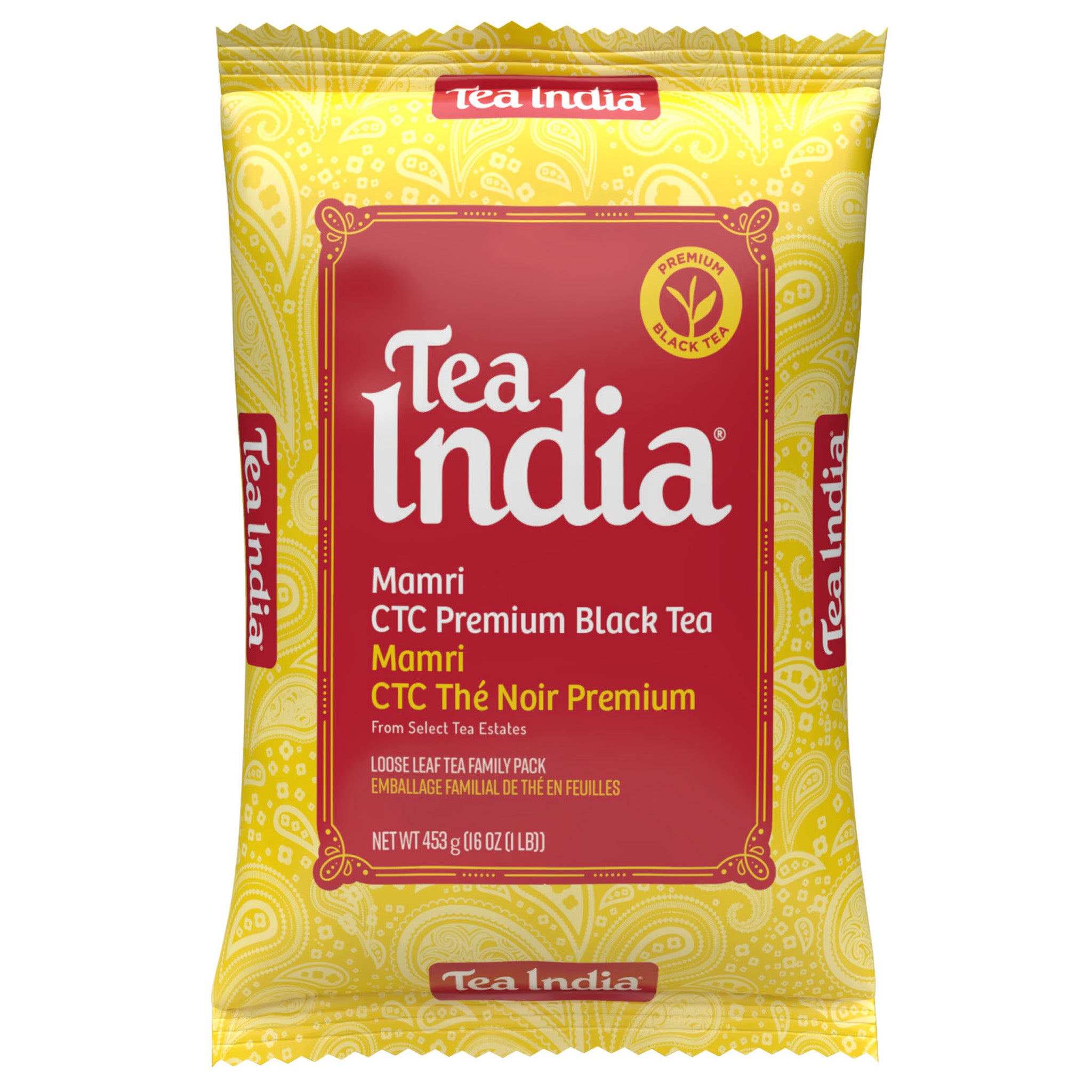
Indian Loose Tea - 1lb of Premium Assam Black Tea
Brew premium Assam black tea for a rich, bold cup of chai. Perfect with milk, offering an authentic, full-bodied taste of traditional Indian tea.
Early violence is a bad teacher. But the mind can learn anew | Aeon Essays
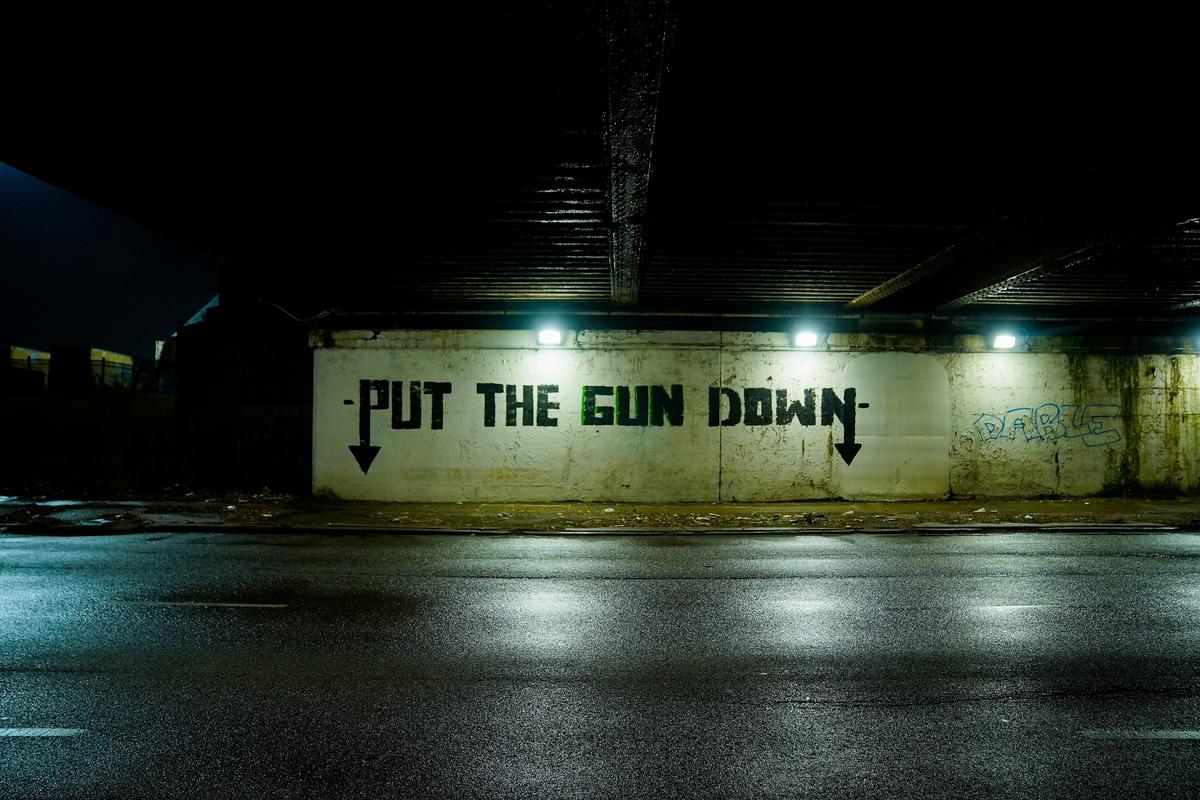
A world of violence sustains itself through guns, poverty and other social ills, but also through the minds it creates
Volition Tea | Single-Origin Loose Leaf Teas
Discover single-origin loose leaf teas from farmers who strive for holistic sustainability.

First Nations and Treaty - Platform | The Australian Greens
In Victoria, we’re so fortunate to live in a place with the longest continuous culture in the world.

Unfair trade
Coursing through the veins of the modern world and the modern subject alike, coffee is the spirit of exploitation in brewed form.

Towards the Symbiocene: Building an Eco-Civilisation with thought-leader, Jeremy Lent
Jeremy Lent is a long time friend of the podcast. His new book, 'Ecocivilization: Making a World That Works for All' is coming out at the end of April 2026 and so we got together to discuss what an Ecocivilisation is, why we so badly need to become one, and how we might get there.

A quote by Anatole France
The law, in its majestic equality, forbids rich and poor alike to sleep under bridges, to beg in the streets, and to steal their bread.

Extreme Inequality Presages The Revolt Against It
Even the Davos elites are reading the tea leaves.

Reading Wars
Read online or download for free Reading Wars explores heated, even murderous, political struggles over who gets to read and what they get to read. Those conflicts, once again in the news, stretch back centuries. In this book, Don Herzog examines the history and politics of anxieties about readers and reading, spanning both the United States and Britain, from the 1500s right up to contemporary battles over banning library books and freedom of speech. In these pages, Herzog deftly interweaves episodes from Reformation England, when first Catholics and then Protestants cracked down on unsupervised Bible-reading, with the deadly campaigns in pre-Civil War America to keep black people – both free and enslaved – illiterate. Drawing on a wealth of primary sources, he reconstructs arguments insisting that ordinary men and women could not be trusted to read what they liked – indeed, that some of them ought not read at all. And he charts struggles to promote literacy. Herzog argues that at stake in these battles is whether some people – those banned from reading – are perceived as not fully human, or lesser persons than others. The radical campaign to let more or less everyone read more or less everything is ultimately, therefore, a campaign for equality. Click here to read praise for Reading Wars "In characteristically engaging and straight-forward language Don Herzog explores the debates past and present, largely in Britain and America, about whether or not to suppress reading. By taking seriously the arguments for suppressing or restricting books and their readers, Herzog suggests that those arguments turn on the claim that for some people reading is dangerous. This assumption, Herzog compellingly argues, ignores the fact that literacy is largely a social activity. In Reading Wars, Herzog develops a powerful liberal argument for literacy and reading. An argument, Herzog shows, that has incompletely triumphed." — Steve Pincus, Thomas Donnelly Professor of History, University of Chicago "Knowledge is power - which is why efforts to acquire knowledge through reading have been outlawed, suppressed through violence, and remain targets today. Don Herzog's Reading Wars tells the astonishing history behind the wars on reading in a readable, clever style, underscoring the stakes of many of the current fights over censorship and book bans." — Leah Litman, cohost of the podcast Strict Scrutiny and New York Times bestselling author of Lawless "A rich yet accessible introduction to the many ways in which society has attempted to restrict reading materials throughout British and United States history. Equal parts illuminating and horrifying, it lays the groundwork for the 21st century’s own shameful dabbles with censorship through its careful consideration of the key concerns and prejudices that structure each generation’s literacy battles." — Alison Hicks, Associate Professor in Library and Information Studies, UCL "Political theory, historical sense, worrisome texts, unheralded documents, and great storytelling join forces in Herzog’s virtuoso investigation of the brutal fighting over who gets to learn to read (and what) in early and late modern America and Britain. The bloodshed may have lessened, but we are still fighting, and Herzog shows the deeper stakes involved in reading’s relation to equality and personhood." — Mary G Dietz, John Evans Professor Emerita of Political Theory, Northwestern University , Reading Wars explores heated, even murderous, political struggles over who gets to read and what they get to read. Don Herzog examines the history and politics of anxieties about readers and reading, spanning the United States and Britain, from the 1500s right up to contemporary battles over banning library books and freedom of speech.

Deeds, Not Words: The Myth of Polite Revolution
A refusal of the sanitized story that rights were won by asking nicely. The suffragettes bombed Westminster Abbey. The Deacons for Defense guarded MLK. Man…