Schools are supposed to be places of manners and discipline, but the streets around them can be dangerous for children because of bad behaviour by drivers, a new study by Toronto researchers suggests.
The risks of AI in schools outweigh the benefits, report says
A new report warns that AI poses a serious threat to children's cognitive development and emotional well-being.
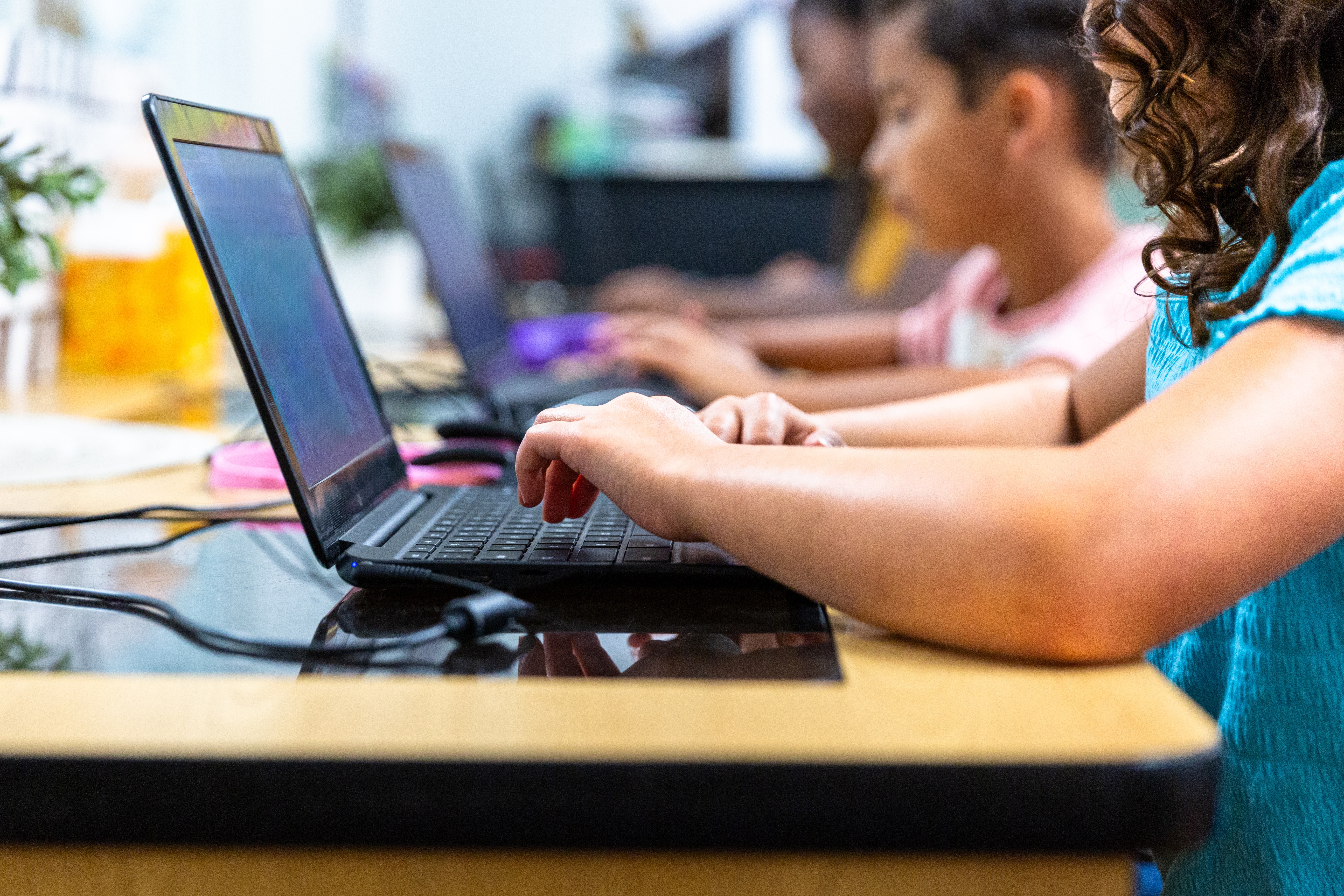
More than Half of Public School Leaders Say Cell Phones Hurt Academic Performance | IES
Most schools have policies that restrict cell phone use during class, with many citing negative impacts on attention and performance.
Private Schools Are Bad for Society
The starting point for any honest discussion.
Spanking Is Ineffective and Harmful to Children, Pediatricians’ Group Says (Published 2018)
The latest research shows spanking does not teach children right from wrong and can have long-lasting, damaging effects.

Motorists in one of a Montreal’s busiest boroughs support bike lanes
There are real tensions between cyclists, motorists and pedestrians sharing the road, but Montrealers believe traffic-calming measures — bike lanes, speed humps and curb extensions — can improve safety for all road users.

Why Protecting Kids from Social Media May Make Things Worse — Douglas Rushkoff
I’m supposed to give a talk next week about kids and social media and the need for more media literacy education, more regulation of platforms, and more substantive discussion about how to keep our kids from media-induced self-harm. The whole event is well-meaning, but is characterized by a sense of worry and protection. And for some reason, after years of making those sorts of arguments in my articles and documentaries, I have a strong impulse to pivot the other way.
Phone-Free Schools Movement | Protecting Student Well-Being
Join the Phone-Free Schools Movement to create healthier, more focused school days. We help schools implement bell-to-bell phone-free policies that boost learning, safety, and student well-being.
Opinion | All Children Should Be Delinquents (Published 2014)
It’s how they learn right from wrong.

Extensive Data Shows Punishing Reach of Racism for Black Boys (Published 2018)
A study of 20 million children shows the fragility of the American Dream.

Under digital surveillance: how American schools spy on millions of kids
Fueled by fears of school shootings, the market has grown rapidly for technologies that monitor students through official school emails and chats
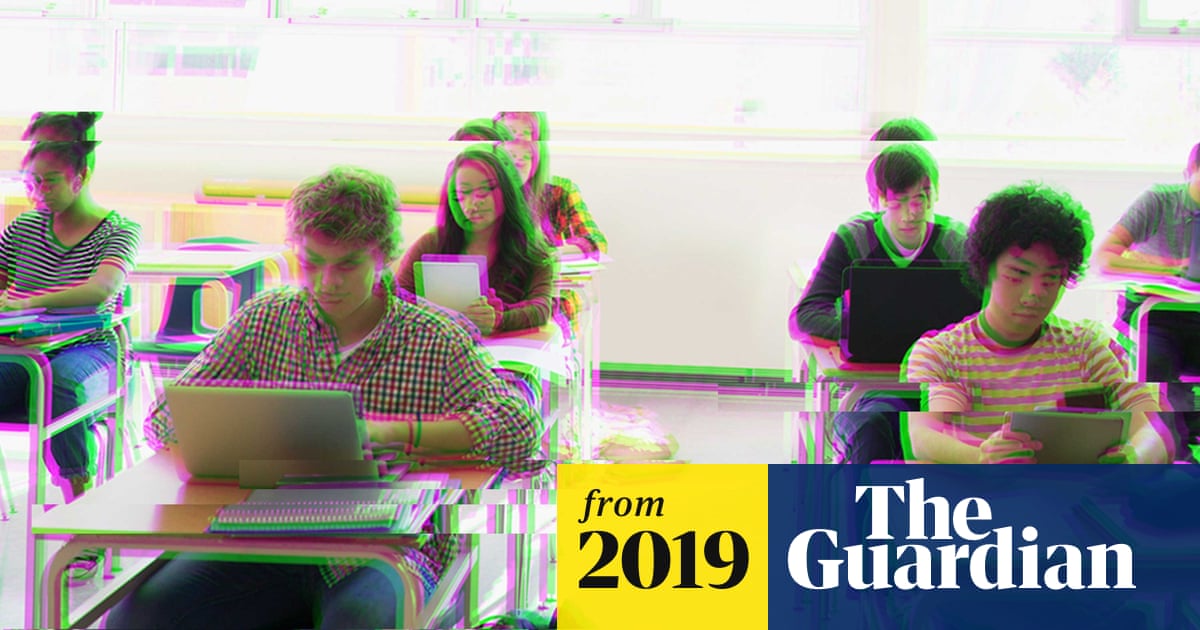
Too risky for the road but safe for schools? Rethinking smart glasses in the science classroom
This paper critically examines the governance of smart glasses in K-12 science education, using science classrooms as a case through which policy design challenges become visible. We position these wearable technologies not only as tools of pedagogical innovation but as governance challenges requiring regulatory attention. The vendors of smart glasses claim that their devices enhance real-time visualisation, support hands-free inquiry, and personalise activity. Yet, despite increased consumer availability and promotion by vendors, smart glasses are inconsistently specified in Australian school policy, unlike other high-stakes sectors such as transportation where wearable device categories are explicitly regulated. Drawing on a comparative analysis of policy associated with Australia’s K-12 mobile phones and the 2023 Victorian Road Rule Amendments “New Driver Distraction Road Rules”, this study proposes that science education requires similar anticipatory governance. Whereas the road safety framework classifies wearable technologies as potential sources of cognitive distraction and provides a stratified risk profile, device-specific restrictions, and enforcement mechanisms, we illustrate a stark contrast to the comparable provisions analysed in educational policy. This analysis identifies governance-relevant risk categories for staff, students, and schools that are not consistently addressed in the education policy texts examined, and that are difficult to standardise through discretionary, school-level interpretation alone. As such, this paper contributes to global conversations on educational justice, digital governance, and the ethical integration of emerging technologies in education.
When French police use speeding cars to disperse student protestors
French student unions have called for another day of national demonstrations next week to denounce the poor teaching conditions of the country’s high schools, called lycées, many of which have been …

Chicago's Bike Lanes Don't Hurt Businesses, City Report Finds
As protected bike lanes face opposition in some neighborhoods, city-backed case studies found lanes in a half-dozen corridors have not contributed to a negative impact on economic activity.

Smartphone Bans, Student Outcomes and Mental Health
How smartphone usage affects well-being and learning among children and adolescents is a concern for schools, parents, and policymakers. Combining detailed admi

Teenager's hand blown off during confrontation between France school protesters and riot police
The prefect of Pas-de-Calais says the 15-year-old's life is "not in danger" after the "very serious" incident.

Insufficient Sleep Associated with Risky Teen Behavior
A new study reports teens who sleep for less than 6 hours per night are at greater risk of mental health issues, substance abuse, accidents and other risk taking behaviors.