


An experimental blood test accurately identifies people who do, or don't have celiac disease, even if they are following gluten-free diets, researchers say.
Not just a fad: the surprising, gut-wrenching truth about gluten
While a tiny number of people have coeliac disease, many others suffer with gluten-related digestive problems. Some researchers believe mass-produced food is to blame

Blood tests for mental health problems | Eiko Fried
A new paper was published yesterday on a blood test for schizophrenia, by the same research team that in 2021 published a paper on a blood test for depression . The papers and...

Opinion | Can Celiac Disease Affect the Brain? (Published 2014)
Some scientists have linked gluten with neurological symptoms.

8 things to know about the gut microbiome and keeping yours healthy
Wellness influencers often talk about fixing a broken gut microbiome. And marketers sell tests and supplements to fix your gut health. Here's what what the evidence really shows about gut health.

LLM-Assisted Reanalysis of Unsolved Rare Disease Genomes Increases Diagnostic Yield
Rare and undiagnosed genetic disorders affect millions of patients globally, and many patients endure years of inconclusive testing. Conventional genomic interpretation can be insufficiently sensit...

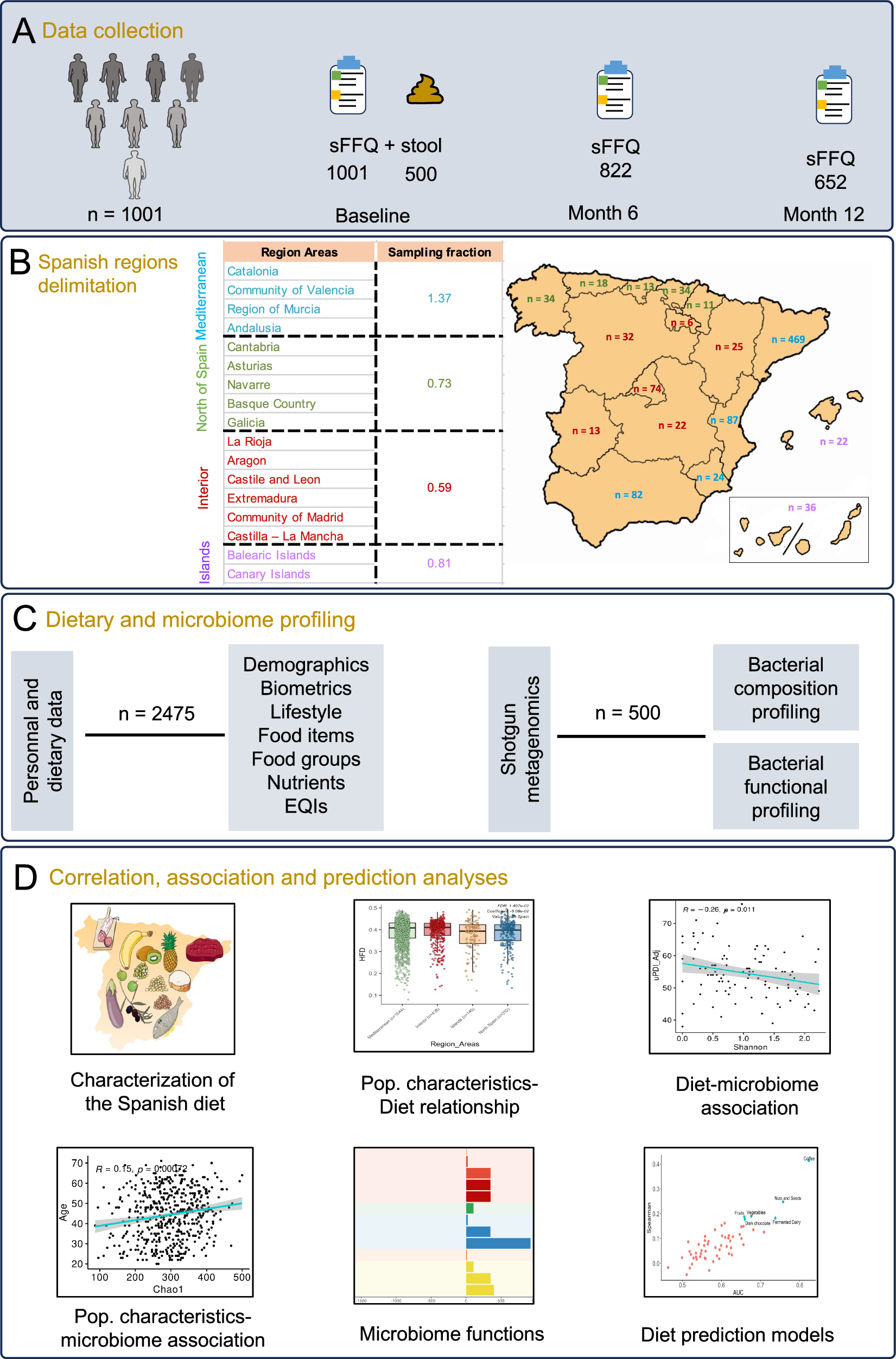
A contributory citizen science project reveals the impact of dietary keys to microbiome health in Spain
Low consumption of whole grains, fruits, and vegetables has been identified as dietary risks for non-communicable diseases such as inflammatory bowel diseases (IBDs). We explore how individual and lifestyle factors influence these risks by shaping gut microbiome composition. 1001 healthy participants from all Spanish regions provided personal and dietary data at baseline, six, and twelve months, yielding 2475 responses. Gut microbiome data were analyzed for 500 healthy participants and 321 IBD patients. Our findings reveal that adherence to national dietary guidelines—characterized by diets rich in nuts, seeds, fruits, and vegetables—was associated with greater microbial diversity and reduced IBD-related dysbiosis. Finally, we observed variations in dietary patterns and microbiome diversity and composition across age groups, genders, regions, seasons, and transit time. This study is among the first to uncover dietary intake associated with IBD-related dysbiosis and to propose an interactive website for participants (https://manichanh.vhir.org/POP/en).

Red Blood Cell Folate Modifies the Association between Serum Per- and Polyfluoroalkyl Substances and Antibody Concentrations in U.S. Adolescents
Abstract. Per- and polyfluoroalkyl substances (PFAS) exposure has been associated with reduced antibody levels. Higher red blood cell (RBC) folate was prev

Microbiome transplants may curb food allergies
Gut microbe transplants treated some peanut allergies in an early-stage clinical trial.
test highlights - underreacted
23andMe Is Terrifying but Not for the Reasons the FDA Thinks
This genetic testing company’s real goal is to hoard your personal data

If you’re a European, your body requires more vegetables and grains
Genome study reveals different human groups evolved to eat specific diets.

Association between Circulating T Cells and the Gut Microbiome in Healthy Individuals: Findings from a Pilot Study
Though the microbiome’s impact on immune system homeostasis is well documented, the effect of circulating T cells on the gut microbiome remains unexamined. We analyzed data from 50 healthy volunteers in a pilot trial of aspirin, using immunophenotyping and 16S rRNA sequencing to evaluate the effect of baseline T cells on microbiome changes over 6 weeks. We employed an unsupervised sparse canonical correlation analysis (sCCA) and used multivariable linear regression models to evaluate the association between selected T cell subsets and selected bacterial genera after adjusting for covariates. In the cross-sectional analysis, percentages of naïve CD4+ T cells were positively associated with a relative abundance of Intestinimonas, and the percentage of activated CD8+ T cells was inversely associated with Cellulosibacter. In the longitudinal analysis, the baseline percentages of naïve CD4+ T cells and activated CD4+ T cells were inversely associated with a 6-week change in the relative abundance of Clostridium_XlVb and Anaerovorax, respectively. The baseline percentage of terminal effector CD4+ T cells was positively associated with the change in Flavonifractor. Notably, the microbiome taxa associated with T cell subsets exclusively belonged to the Bacillota phylum. These findings can guide future experimental studies focusing on the role of T cells in impacting gut microbiome homeostasis.

FDA says Taylor Farms cyclospora finding was a false positive
The U.S. Food and Drug Administration said on Sunday that laboratory experts re-checked lettuce sample results from Taylor Farms in an investigation into an outbreak of the cyclospora parasite and concluded the finding should be considered a false positive.

Skin Exposure to Narrow Band Ultraviolet (UVB) Light Modulates the Human Intestinal Microbiome
The recent worldwide rise in idiopathic immune and inflammatory diseases such as multiple sclerosis and inflammatory bowel diseases has been linked to Western society-based changes in lifestyle and environment. These include decreased exposure to sunlight/UVB light and subsequent impairment in the production of vitamin D, as well as dysbiotic changes in the makeup of the gut microbiome. Despite their association, it is unclear if there are any direct links between UVB light and the gut microbiome. In this study we investigated whether exposing the skin to Narrow Band Ultraviolet B (NB-UVB) light to increase serum vitamin D levels would also modulate the makeup of the human intestinal microbiota. The effects of NB-UVB light were studied in a clinical pilot study using a healthy human female cohort (n=21). Participants were divided into those that took vitamin D supplements throughout the winter prior to the start of the study (VDS+) and those who did not (VDS-). After three NB-UVB light exposures within the same week, the serum 25(OH)D levels of participants increased on average 7.3 nmol/L. The serum response was negatively correlated to the starting 25-hydroxy vitamin D (25(OH)D) serum concentration. Fecal microbiota composition analysis using 16S rRNA sequencing showed that exposure to NB-UVB significantly increased alpha and beta diversity in the VDS- group whereas there were no changes in the VDS+ group. Bacteria from several families were enriched in the VDS- group after the UVB exposures according to a Linear Discriminant Analysis prediction, including Lachnospiracheae, Rikenellaceae, Desulfobacteraceae, Clostridiales vadinBB60 group, Clostridia Family XIII, Coriobacteriaceae, Marinifilaceae, and Ruminococcus. The serum 25(OH)D concentrations showed a correlation with the relative abundance of the Lachnospiraceae, specifically members of the Lachnopsira and Fusicatenibacter genera. This is the first study to show that humans with low 25(OH)D serum levels display overt changes in their intestinal microbiome in response to NB-UVB skin exposure and increases in 25(OH)D levels, suggesting the existence of a novel skin-gut axis that could be used to promote intestinal homeostasis and health.Clinical trial registration: clinicaltrials.gov, NCT03962673. Registered 23 May 2019 - Retrospectively registered, https://clinicaltrials.gov/ct2/show/NCT03962673?term=NCT03962673&rank=1

Long Covid Studies - Possible long COVID treatments
See all researched treatments for long COVID, along with evidence summaries.