


An increasing number of parents are consciously keeping their children's photos, names and entire identities off the internet. Here's why.
Why We Post Nothing—Nothing—About Our Kid Online. You Should Do the Same for Your Kids.
I vividly remember the Facebook post. It was my friend’s 5-year-old daughter “Kate,” (a pseudonym) standing outside of her house in a bright yellow...

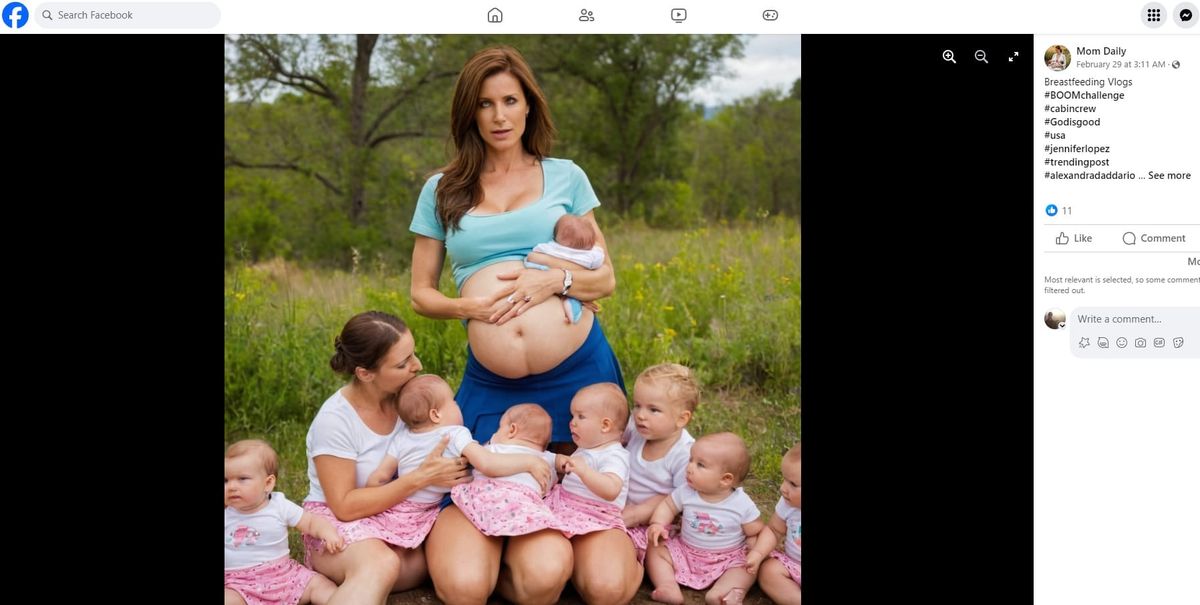
Horrific AI-Generated Breastfeeding Images Bypass Facebook’s Moderation
A page called Mom Daily is using AI-generated images of mothers and babies to bypass Facebook’s rules on nudity, with some really terrifying results.
Why Protecting Kids from Social Media May Make Things Worse — Douglas Rushkoff
I’m supposed to give a talk next week about kids and social media and the need for more media literacy education, more regulation of platforms, and more substantive discussion about how to keep our kids from media-induced self-harm. The whole event is well-meaning, but is characterized by a sense of worry and protection. And for some reason, after years of making those sorts of arguments in my articles and documentaries, I have a strong impulse to pivot the other way.
Debate: Social media in children and young people – time for a ban? Weighing up the implications and limitations of age-based social media restrictions
Recent legislation in Australia banning social media accounts for children under 16, alongside similar proposals worldwide, has ignited debate about whether age-based restrictions are an effective way to protect young people's mental health. While the intent of such bans is to reduce exposure to harmful content, their feasibility and effectiveness remain unclear. Enforcement requires robust age verification, often relying on sensitive data such as government-issued identification or facial scans, which raises privacy concerns and can be circumvented through the use of VPNs. Moreover, social media use is diverse. Although it can intensify harms such as bullying, it also provides vital opportunities for connection and support, particularly for marginalised adolescents. Removing access to accounts may limit risks within platforms, but does not prevent exposure to harmful content elsewhere, nor does it guarantee increased offline engagement. Importantly, blanket bans fail to address unsafe design features embedded within social media or to equip adolescents with the skills needed to navigate online environments. More targeted, evidence-based regulation that promotes safer platform design and accountability may provide a more effective pathway to protecting young people's well-being.

Get your loved ones off Facebook
I originally wrote this for my friends and family in 2015, to explain why the latest Facebook privacy policy is really harmful. It’s since been read b

Get your loved ones off Facebook
I originally wrote this for my friends and family in 2015, to explain why the latest Facebook privacy policy is really harmful. It’s since been read b
Get your loved ones off Facebook
I originally wrote this for my friends and family in 2015, to explain why the latest Facebook privacy policy is really harmful. It’s since been read b
Despite Pledges From Musk, Child Sexual Abuse Material Persists on X
Reviews by the Canadian Center for Child Protection and The New York Times found that explicit images of children remain on the social media site owned by Elon Musk.

The Illusion of Protection: Why Canada’s Growing Push to Ban Social Media for Kids Won’t Work - Michael Geist
The momentum behind a social media ban for Canadian minors has been building for months. The federal Liberals voted at their April policy convention to back a minimum age of 16 for social media accounts and AI chatbots, the government’s expert panel on online safety is studying the issue, protesters have now rallied on Parliament Hill calling for it, and on Saturday night, Manitoba Premier Wab Kinew told a Winnipeg fundraiser that his government will be the first in Canada to ban social media and AI chatbots for kids. Kinew did not specify which kids, when it would happen, or how it would be enforced, none of which appeared to matter to the audience. The political appeal of a ban is obvious, since concerns about social media’s effects on young users are widely shared. Yet the policy itself is a terrible idea that will not work. This post examines at least six reasons why an outright age-based ban, particularly one that extends to AI chatbots, is the wrong response to a serious issue.
Facebook’s newest privacy problem: ‘Faceprint’ data
A court case moves forward over whether the social network is breaking the law for not asking your explicit permission for scanning and storing your facial features.
U.S. Social Media Regulations for Minors
The digital lives of American children and teenagers have become a focal point of intense national debate and legislative action. ContentsThe Federal Foundation: The Children’s Online Privacy Protection Act (COPPA)The State-Level Surge: A Patchwork of New RulesThe Next Generation of Federal Law: Congress Weighs InThe Constitutional Crossroads: Free Speech vs. State RegulationThe Great Debate: Voices […]

Everything You Wanted to Know About a Kids' Social Media Ban (But Were Rightly Afraid to Ask): A FAQ on Age Verification and Mandated ID for Everyone - Michael Geist
The government is expected to table the Digital Safety Act on Wednesday with reports that it will include a ban on social media for those under 16, framed as a “temporary” measure that platforms can exit once a new digital regulator certifies their safety standards. I have been writing about these issues, from the original Online Harms Act to mandated age verification and website blocking and now the kids’ ban, for several years. This FAQ gathers the analysis in one place, with links throughout to the longer pieces for anyone who wants to go deeper. The key takeaway is that a kids' social media ban is an ineffective and harmful policy that raises privacy concerns for tens of millions of Canadians through mandated age verification requirements. The policy fails to address the underlying concerns with social media and the prospect of a "temporary" ban makes little sense since the requirement might be reversible, but the data collection and regulatory infrastructure are permanent.
Facebook won the war for your mind. Now it wants your children.
Despite all the evidence detailing the damage Facebook has done to its users, it still has a target in mind it hasn't yet reached: your children.
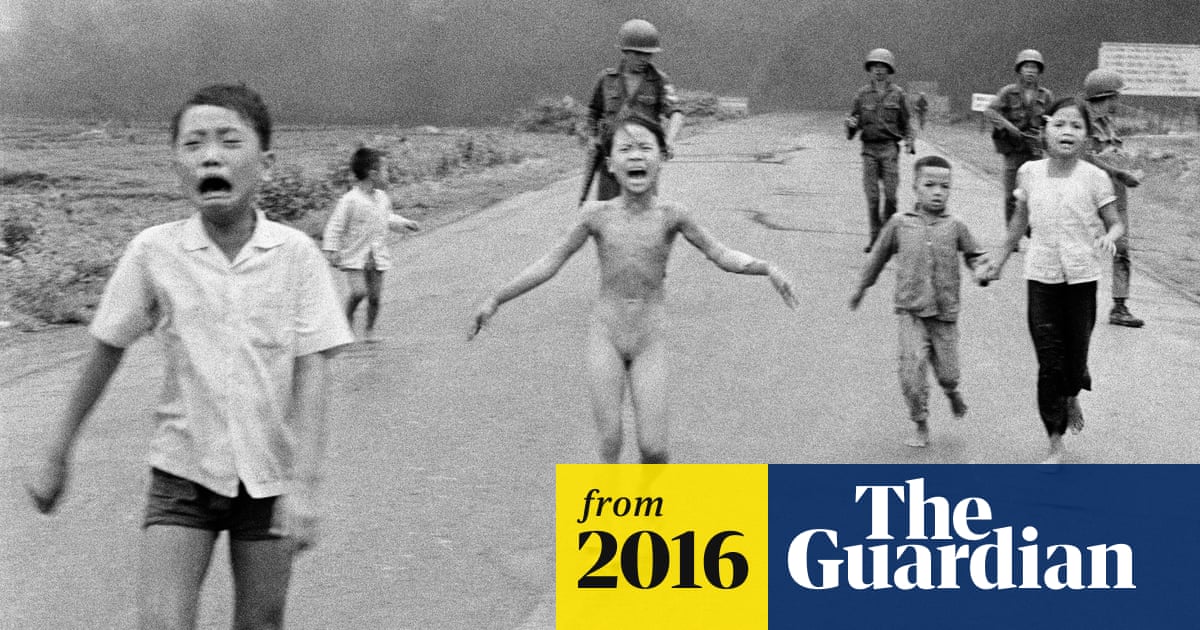
Facebook deletes Norwegian PM's post as 'napalm girl' row escalates
Erna Solberg shared photo that had resulted in writer and newspaper falling foul of social media giant’s rules
A Facebook patent would use your family photos to target ads
The patent describes analyzing photos to build family profiles.

Elon Musk Has Pledged to Rid His Platform, X, of Child Sexual Abuse, but It Persists
Reviews by the Canadian Center for Child Protection and The New York Times found that explicit images of children remain on the social media site owned by Elon Musk.