


Toronto is becoming a test bed for new smart-city technology, but some observers are concerned about the privacy of the data the city would be collecting.
Reclaiming the Smart City: Personal Data, Trust and the New Commons
Why and how city governments are taking a more responsible approach to the collection and use of personal data.

The City as Platform | David Bollier
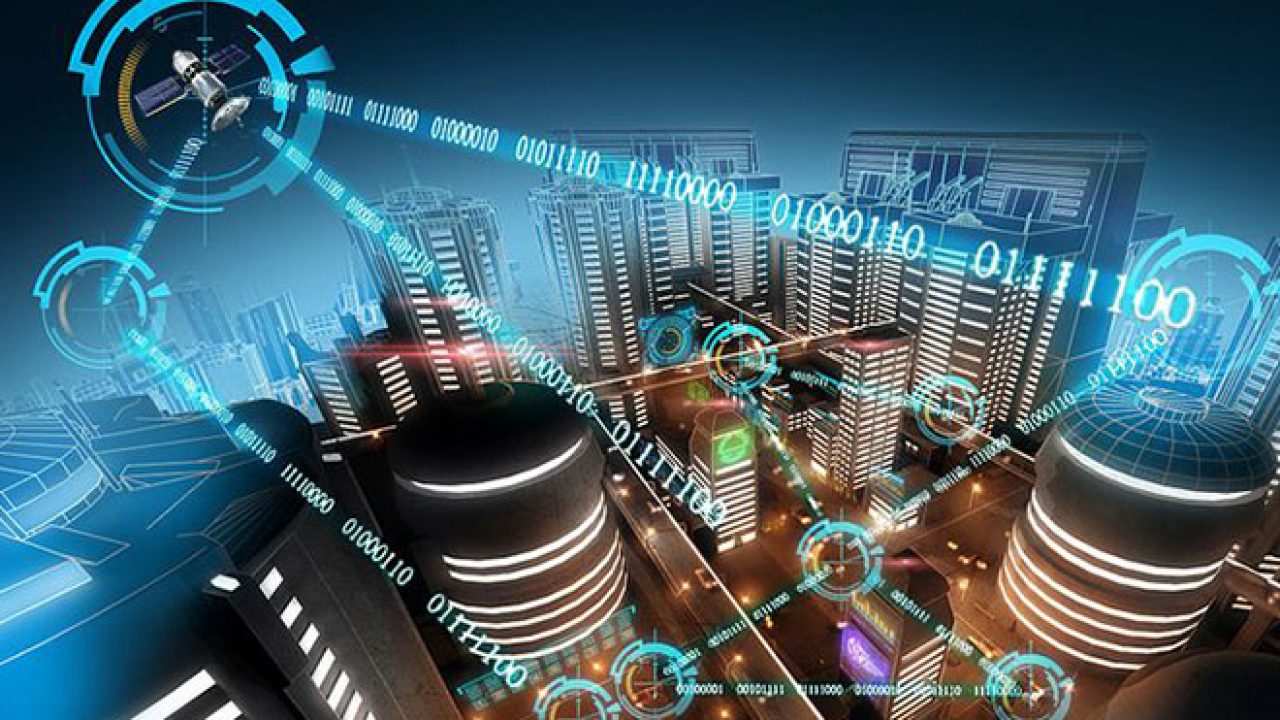
In the age of ubiquitous Internet connections, smartphones and data, the future vitality of cities is increasingly based on their ability to use digital networks in intelligent, strategic ways. While we are accustomed to thinking of cities as geophysical places governed by mayors, conventional political structures and bureaucracies, this template of city governance is under great pressure to evolve. Urban dwellers now live their lives in all sorts of hyper-connected virtual spaces, pulsating with real-time information, intelligent devices, remote-access databases and participatory crowdsourcing. Expertise is distributed, not centralized. Governance is not just a matter of winning elections and assigning tasks to bureaucracies; it is about the skillful collection and curation of information as a way to create new affordances for commerce and social life.
A City in Common: A Framework to Orchestrate Large-scale Citizen Engagement around Urban Issues
As part of the Digital Library's transition to Open Access, new features for researchers are available in the Premium Edition. Click here to learn more.

How internet-connected devices can track your data for sale to others | CBC News
A new generation of smart, always-on, internet-connected devices is redefining how companies collect and share user data — both the types of data collected, and who that data is shared with.

A City Is Not a Computer: Other Urban Intelligences
<strong>A bold reassessment of "smart cities" that reveals what is lost when we conceive of our urban spaces as computers</strong> Computational models of urbanism—smart cities that use data-driven planning and algorithmic administration—promise to deliver new urban efficiencies and conveniences. Yet these models limit our understanding of what we can know about a city. <i>A City Is Not a Computer</i> reveals how cities encompass myriad forms of local and indigenous intelligences and knowledge institutions, arguing that these resources are a vital supplement and corrective to increasingly prevalent algorithmic models. Shannon Mattern begins by examining the ethical and ontological implications of urban technologies and computational models, discussing how they shape and in many cases profoundly limit our engagement with cities. She looks at the methods and underlying assumptions of data-driven urbanism, and demonstrates how the "city-as-computer" metaphor, which undergirds much of today's urban policy and design, reduces place-based knowledge to information processing. Mattern then imagines how we might sustain institutions and infrastructures that constitute more diverse, open, inclusive urban forms. She shows how the public library functions as a steward of urban intelligence, and describes the scales of upkeep needed to sustain a city's many moving parts, from spinning hard drives to bridge repairs. Incorporating insights from urban studies, data science, and media and information studies, <i>A City Is Not a Computer</i> offers a visionary new approach to urban planning and design.
How Open Data Is Transforming City Life
Start a business. Manage your power use. Find cheap rents, or avoid crime-ridden neighborhoods. Cities and their citizens worldwide are discovering the power of “open data”—public data and information available from government and other sources that can help solve civic problems and create new business opportunities.

Rethinking the Smart City: Democratizing Urban Technology - RLS-NYC
Following the celebration of the “creative city” (as described by Richard Florida), the “smart city” has become the new flavor of the month—and a brand. It makes clever use of resources, and it attracts money, corporate power, and private industries. Offering us cheap, effective solutions to social and political problems, the smart city is functional, […]
CityLab - Bloomberg
Bloomberg CityLab reports on the world’s cities, communities, and neighborhoods: How they work, the challenges they face, and the solutions they need.
Spy agencies, PM's adviser defend airport Wi-FI data collection | CBC News
The head of Canada's communications surveillance agency defended its use of metadata Monday and argued a test using Canadian passengers' data — revealed by CBC News last week — didn't run in real-time and wasn't an actual operation.

The Local Connection Crisis: New Data on What Communities Need
Privacy laws lag behind as some Canadian police forces begin to use facial recognition technology | CBC News
Privacy advocates are calling on all levels of government to create specific regulations around police use of facial recognition technology.

Lawful Access and the Privacy of Canadians « Pirate Party of Canada
Ex-Minister of International Trade Peter Van Loan confirmed June 2nd, 2011, that the Harper Government would be tabling a massive crime bill that Fall [1]. Included in this crime bill is lawful access legislation, previously known as bills C-50, C-51, and C-52 [2]. At the time this is being written (09/2011) it is unknown whether or not legislation such as the “Canadian DMCA” bill C-32 will be included in this crime bill. This lawful access legislation mandates the disclosure of Internet provider customer information to government and police without any warrant, in addition to requiring Internet providers to dramatically re-work their networks to allow for real-time surveillance. Lawful access legislation negatively affects the privacy of all Canadians.
ATmosphere Conf 2026: the internet built for people, not platforms
370 people in Vancouver, 500 online, all working on the same question: what does the internet look like when users own their data? Highlights from the AT Protocol community conference.
ATmosphere Conf 2026: the internet built for people, not platforms
370 people in Vancouver, 500 online, all working on the same question: what does the internet look like when users own their data? Highlights from the AT Protocol community conference.

Computational Public Space