


The prospective cohort study, named PURE, found that in >135,000 participants from 18 countries, nutritive carbohydrates increase human mortality, whereas dietary fat reduces it, requesting a fundamental change of current nutritional guidelines. Experimental evidence from animal models provides synergizing mechanistic concepts as well as pharmacological options to mimic low-carb or ketogenic diets.
The sugar conspiracy: sugar—not fat—is the greatest danger to our health | Hacker News
I've lost about 100lbs in 2.5 years... The only thing that I really changed was doing a Keto diet. I've learned a lot about nutrition along the way, and it's amazing how bad nutrition info was when I was growing up..
This study 40 years ago could have reshaped the American diet. But it was never fully published.
A fuller accounting of the results of a massive government-funded experiment on fatty foods challenges the conventional advice about what is healthy, and what is not.

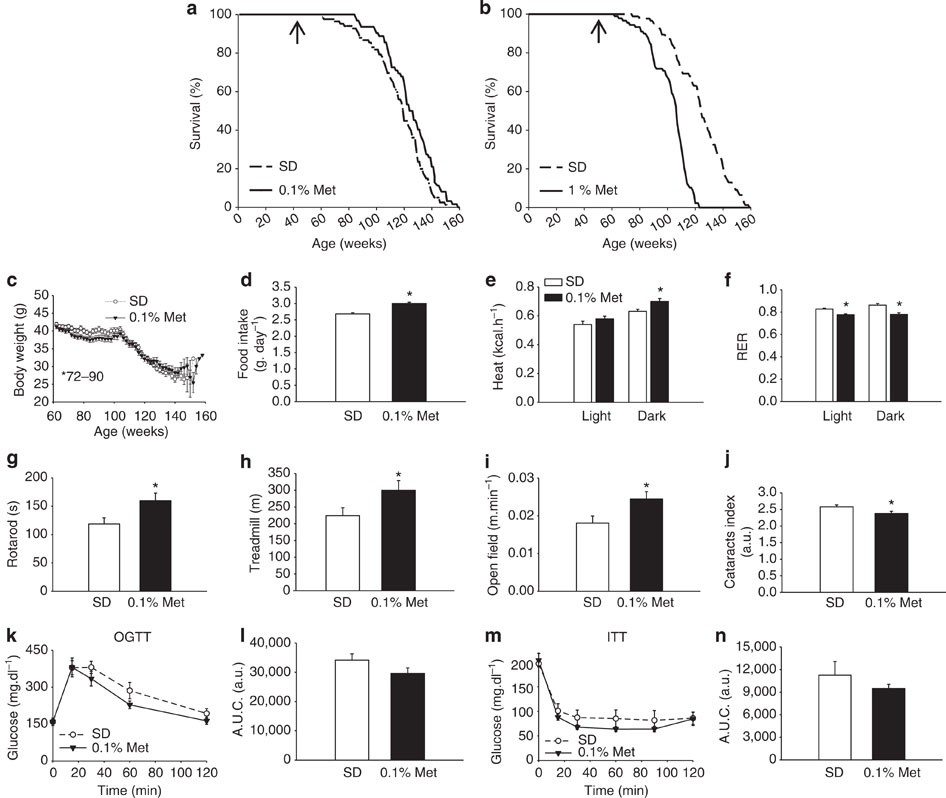
Metformin improves healthspan and lifespan in mice
Metformin is a drug commonly prescribed to treat patients with type 2 diabetes. Here we show that long-term treatment with metformin (0.1% w/w in diet) starting at middle age extends healthspan and lifespan in male mice, while a higher dose (1% w/w) was toxic. Treatment with metformin mimics some of the benefits of calorie restriction, such as improved physical performance, increased insulin sensitivity, and reduced low-density lipoprotein and cholesterol levels without a decrease in caloric intake. At a molecular level, metformin increases AMP-activated protein kinase activity and increases antioxidant protection, resulting in reductions in both oxidative damage accumulation and chronic inflammation. Our results indicate that these actions may contribute to the beneficial effects of metformin on healthspan and lifespan. These findings are in agreement with current epidemiological data and raise the possibility of metformin-based interventions to promote healthy aging.
What The Industry Knew About Sugar's Health Effects, But Didn't Tell Us
The sugar industry pulled the plug on an animal study it funded in the 1960s. Initial results pointed to a link between sugar consumption and elevated triglycerides, which raises heart disease risk.

Is Sugar Toxic? (Published 2011)
That it makes us fat is something we take for granted. That it might also be making us sick is harder to accept.

If you’re a European, your body requires more vegetables and grains
Genome study reveals different human groups evolved to eat specific diets.

Opinion | Big Sugar’s Secret Ally? Nutritionists (Published 2017)
The scientific consensus that all calories are equally fattening is outdated and dangerous.

Opinion | Big Sugar’s Secret Ally? Nutritionists (Published 2017)
The scientific consensus that all calories are equally fattening is outdated and dangerous.
Association Among Dietary Supplement Use, Nutrient Intake, and Mortality Among U.S. Adults: A Cohort Study
Meet the Lady Carnivores Taking Over TikTok With Butter and Raw Meat
Some women say the carnivore diet has saved their lives — but doctors warn could be harmful.

Nut intake and hyperuricemia risk in young adults
Objective:The relationship between dietary nut intake and hyperuricemia risk remains unclear. The aim of this study was to investigate the relationship between different nut intake and hyperuricemia risk with a cross-sectional study.Design:A semi-quantitative FFQ was adopted to collect dietary information. Biochemical and anthropometric parameters were measured by standard methods. Multivariate-adjusted logistic regression models were implemented to analyse the relationship between individual nut intake and hyperuricemia risk.Setting:Qingdao University in Shandong Province, China.Participants:During 2018–2019, a total of 14 056 undergraduates (6862 males and 7194 females) aged 15–25 years participated in the study.Results:After adjusting for multiple confounding factors, compared with the lowest quartile, the highest quartile intakes of pine nut (95 % CI (0·51, 0·98)) was significantly associated with 29 % reduction in hyperuricemia risk, the highest quartile intake of walnut (OR = 0·78; 95 % CI (0·58, 1·05)) was marginally negatively associated with hyperuricemia risk.Conclusions:The present study showed that the relationships between intakes of different nuts and hyperuricemia risk were different. Increased dietary intakes of walnut and pine nut are negatively associated with the hyperuricemia.
Uncooked cornstarch for the prevention of hypoglycemic events
Hypoglycemia is a pathological condition characterized by a low plasma glucose concentration associated with typical autonomic and/or neuroglycopenic symptoms, and resolution of these symptoms with carbohydrate consumption. Hypoglycemia is quite common in clinical practice, particularly in insulin-treated patients with diabetes and in other inherited or acquired conditions involving the regulation of glucose metabolism. Beyond symptoms that might strongly affect the quality of life, hypoglycemia can lead to short- and long-term detrimental consequences for health. Hypoglycemia can be prevented by appropriate changes in dietary habits or by relevant modifications of the drug treatment. Several dietary approaches based on the intake of various carbohydrate foods have been tested for hypoglycemia prevention; among them uncooked cornstarch (UCS) has demonstrated a great efficacy. In this narrative review, we have summarized the current evidence on the UCS usefulness in some conditions characterized by high hypoglycemic risk, focusing on some inherited diseases -i.e. glycogen storage diseases and other rare disorders - and acquired conditions such as type 1 diabetes, postprandial hypoglycemia consequent to esophageal-gastric or bariatric surgery, and insulin autoimmune syndrome. We also considered the possible role of UCS during endurance exercise performance. Lastly, we have discussed the dose requirement, the side effects, the limitations of UCS use, and the plausible mechanisms by which UCS could prevent hypoglycemia.
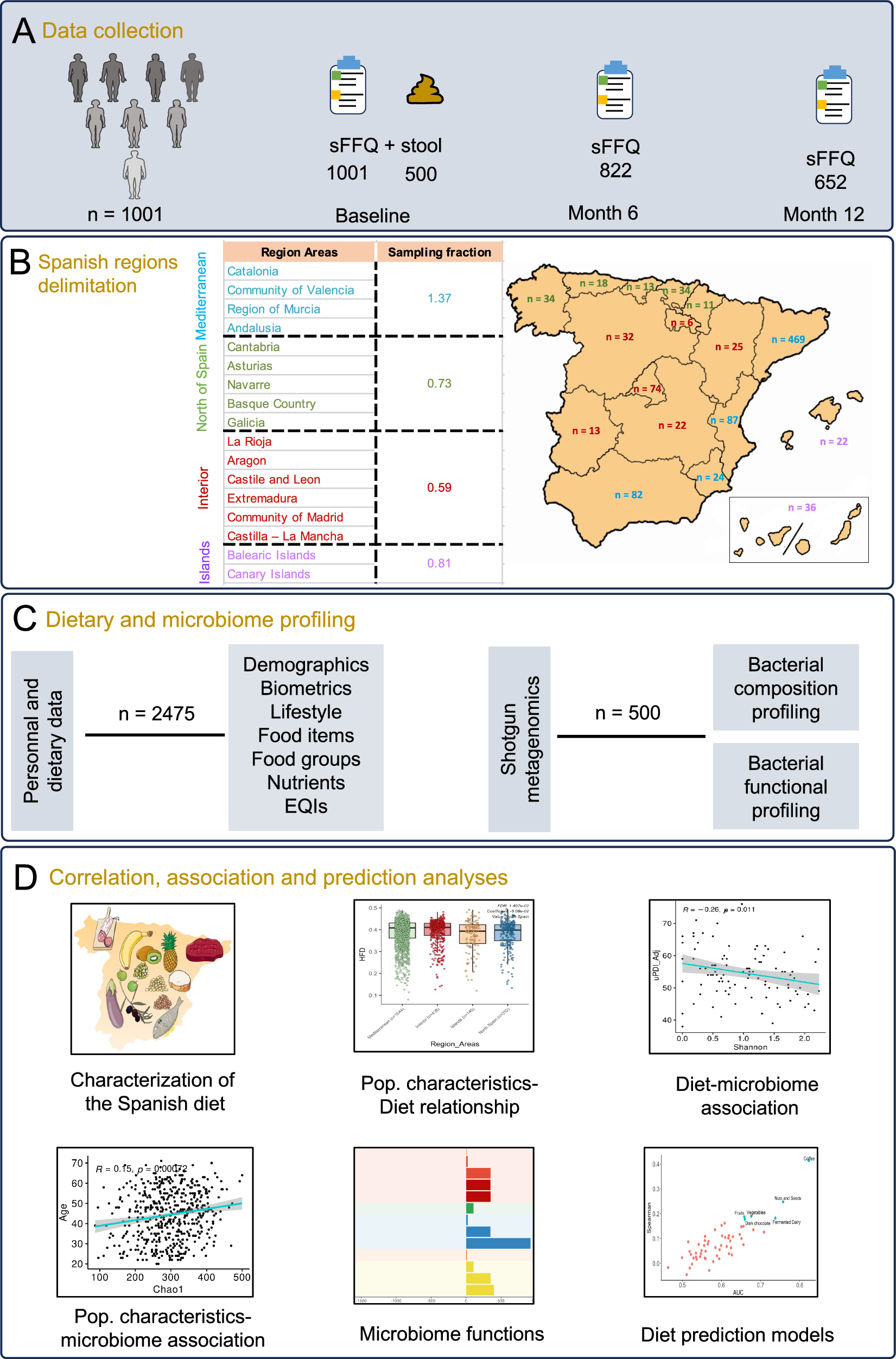
A contributory citizen science project reveals the impact of dietary keys to microbiome health in Spain
Low consumption of whole grains, fruits, and vegetables has been identified as dietary risks for non-communicable diseases such as inflammatory bowel diseases (IBDs). We explore how individual and lifestyle factors influence these risks by shaping gut microbiome composition. 1001 healthy participants from all Spanish regions provided personal and dietary data at baseline, six, and twelve months, yielding 2475 responses. Gut microbiome data were analyzed for 500 healthy participants and 321 IBD patients. Our findings reveal that adherence to national dietary guidelines—characterized by diets rich in nuts, seeds, fruits, and vegetables—was associated with greater microbial diversity and reduced IBD-related dysbiosis. Finally, we observed variations in dietary patterns and microbiome diversity and composition across age groups, genders, regions, seasons, and transit time. This study is among the first to uncover dietary intake associated with IBD-related dysbiosis and to propose an interactive website for participants (https://manichanh.vhir.org/POP/en).
The sugar conspiracy | Ian Leslie
The Long Read: In 1972, a British scientist sounded the alarm that sugar – and not fat – was the greatest danger to our health. But his findings were ridiculed and his reputation ruined. How did the world’s top nutrition scientists get it so wrong for so long?

The sugar conspiracy | Ian Leslie
The Long Read: In 1972, a British scientist sounded the alarm that sugar – and not fat – was the greatest danger to our health. But his findings were ridiculed and his reputation ruined. How did the world’s top nutrition scientists get it so wrong for so long?
What health variables should you document when embarking on a new Soylent diet?
41K subscribers in the soylent community. Resources, links, experiences, and relevant news dealing with engineered staple foods including but not…