


A court case moves forward over whether the social network is breaking the law for not asking your explicit permission for scanning and storing your facial features.
Facebook’s Push for Facial Recognition Prompts Privacy Alarms (Published 2018)
Facebook is working to spread its face-matching tools even as it faces heightened scrutiny from regulators and legislators in Europe and North America.

Facebook’s Face Recognition Tech Goes on Trial
Class-action lawsuits target the biometric privacy policies of several Internet giants

Facebook’s New Test: 'Upload A Clear Photo of Your Face'
Facebook asks some users to upload a picture of their face to authenticate themselves in cases of "suspicious activity."

Criticism of Facebook
Facebook (and parent company Meta Platforms) has been the subject of criticism and legal action since it was founded in 2004.[1] Criticisms include the outsize influence Facebook has on the lives and health of its users and employees, as well as Facebook's influence on the way media, specifically news, is reported and distributed. Notable issues include Internet privacy, such as use of a widespread "like" button on third-party websites tracking users,[2][3] possible indefinite records of user information,[4] automatic facial recognition software,[5][6] and its role in the workplace, including employer-employee account disclosure.[7] The use of Facebook can have negative psychological and physiological effects[8] that include feelings of sexual jealousy,[9][10] stress,[11][12] lack of attention,[13] and social media addiction that in some cases is comparable to drug addiction.[14][15]
Facebook, MySpace Confront Privacy Loophole
Facebook, MySpace and several other social-networking sites have been sending data to advertising companies that could be used to find consumers' names and other personal details, despite promises they don't share such information without consent.

Facebook Data Privacy Scandal: A Cheat Sheet - TechRepublic
Read about the saga of Facebook's failures in ensuring privacy for user data, including how it relates to Cambridge Analytica, the GDPR, the Brexit campaign, and the 2016 US presidential election.
Facebook’s new facial recognition feature finds you in untagged photos
So you can keep track of your online persona.
Facebook turned on face recognition silently | Hacker News
There are two people who are in a photo. One wishes Facebook to use face recognition, the other does not.
europe-v-facebook.org
According to European data protection law every individual has the right to get a copy of all personal data a company holds about him (right to access). This law is applicable to Facebook too. Every user with a residence outside of the US and Canada has a contract with “Facebook Ireland Limited”, based in Dublin, Ireland and has a right to access therefore. (Again: Anyone outside of the US or Canada has the right to access!)
Opinion | Zuckerberg’s So-Called Shift Toward Privacy (Published 2019)
Facebook is happy to protect user data when doing so decreases the company’s civic responsibilities — but not when it threatens advertising revenue.

As Facebook Raised a Privacy Wall, It Carved an Opening for Tech Giants (Published 2018)
Internal documents show that the social network gave Microsoft, Amazon, Spotify and others far greater access to people’s data than it has disclosed.

Social media companies are fighting the 'age verification trap' as collecting biometrics on kids violates privacy rights | Fortune
Big Social is reaching its Big Tobacco moment as it regulations intensify and social media companies look to implement age verification methods on its platforms.

Analysis | Apple is sharing your face with apps. That’s a new privacy worry.
Is Apple doing enough to protect your face?
Face recognition app taking Russia by storm may bring end to public anonymity
FindFace compares photos to profile pictures on social network Vkontakte and works out identities with 70% reliability
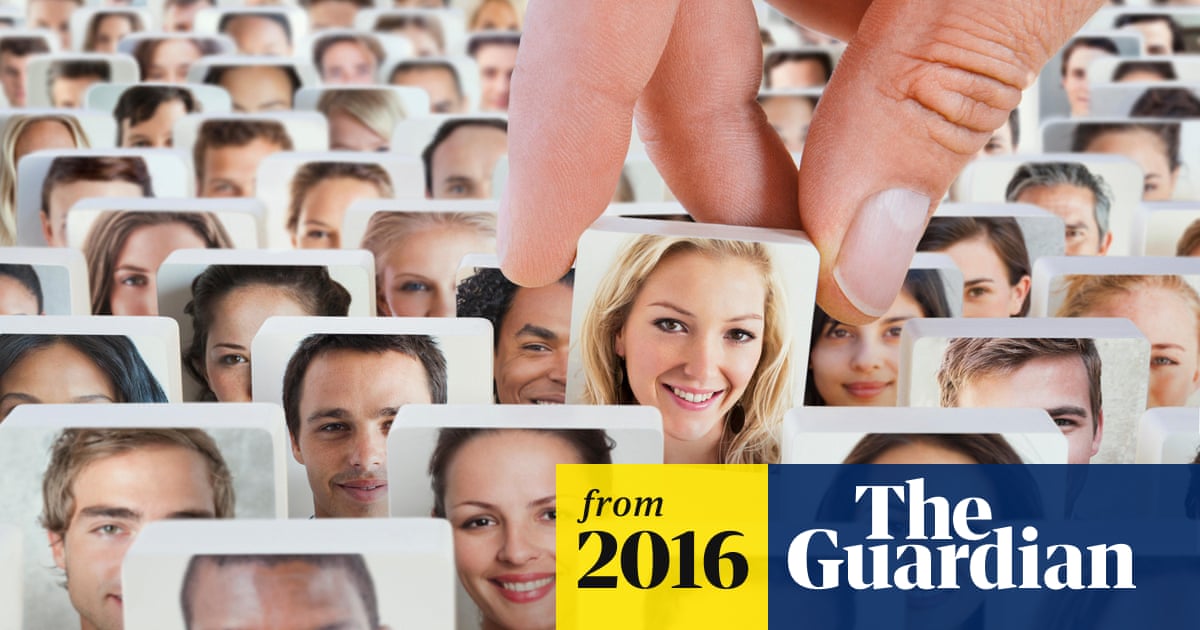
Privacy concerns with Facebook
Facebook and other services by Meta Platforms (doing business as Meta) have faced a number of privacy concerns. These stem partly from the company's revenue model that involves selling information collected about its users for many things including advertisement targeting. Meta has also been a part of many data breaches that have occurred within the company. These issues and others are further described including user data concerns, vulnerabilities in the company's platform, investigations by pressure groups and government agencies, and even issues with students. In addition, employers and other organizations/individuals have been known to use Meta for their own purposes. As a result, individuals' identities and private information have sometimes been compromised without their permission. In response to these growing privacy concerns, some pressure groups and government agencies have increasingly asserted the users' right to privacy and to be able to control their personal data.
Opinion | Facebook Is Using You (Published 2012)
Whether you can obtain a job, credit or insurance can be based on your digital doppelgänger — and you may never know why you’ve been turned down.
