An irony of studying history is that we often know exactly how a story ends, but have no idea where…
The Great Reckoning - The Ideas Letter
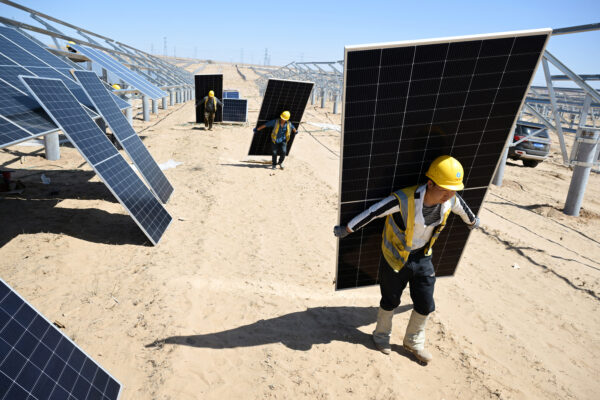
The world feels unsettled, as if history itself were changing tempo. The familiar landmarks of the modern age are blurring, slipping away, and the stories we once told ourselves about…
The Great Reckoning - The Ideas Letter
The world feels unsettled, as if history itself were changing tempo. The familiar landmarks of the modern age are blurring, slipping away, and the stories we once told ourselves about…
A fact-based worldview for all | Gapminder
We live in a globalized world, not only in terms of trade and migration. More people than ever care about global development. But most people have severe misconceptions about contemporary global development. We know, because we have tested people’s knowledge. One of the main reasons for this is that students don’t learn to understand the world based on statistics and facts. Instead, we have a dramatic worldview formed by outdated school books and sensationalist news-stories. People intuitively believe that most things are getting worse. The dramatic worldview leads to irrational decisions by individuals, nonprofits, governments and business. For the first time in human history reliable statistics exist. There’s data for almost every aspect of global development. The data shows a very different picture: a world where most things improve; a world that is not divided; and a world where the fast population growth will soon be over. The world has never been less bad. But that doesn’t mean it’s perfect.
Historicale
Test your knowledge of history by ordering events on a timeline. A daily historical chronology challenge.

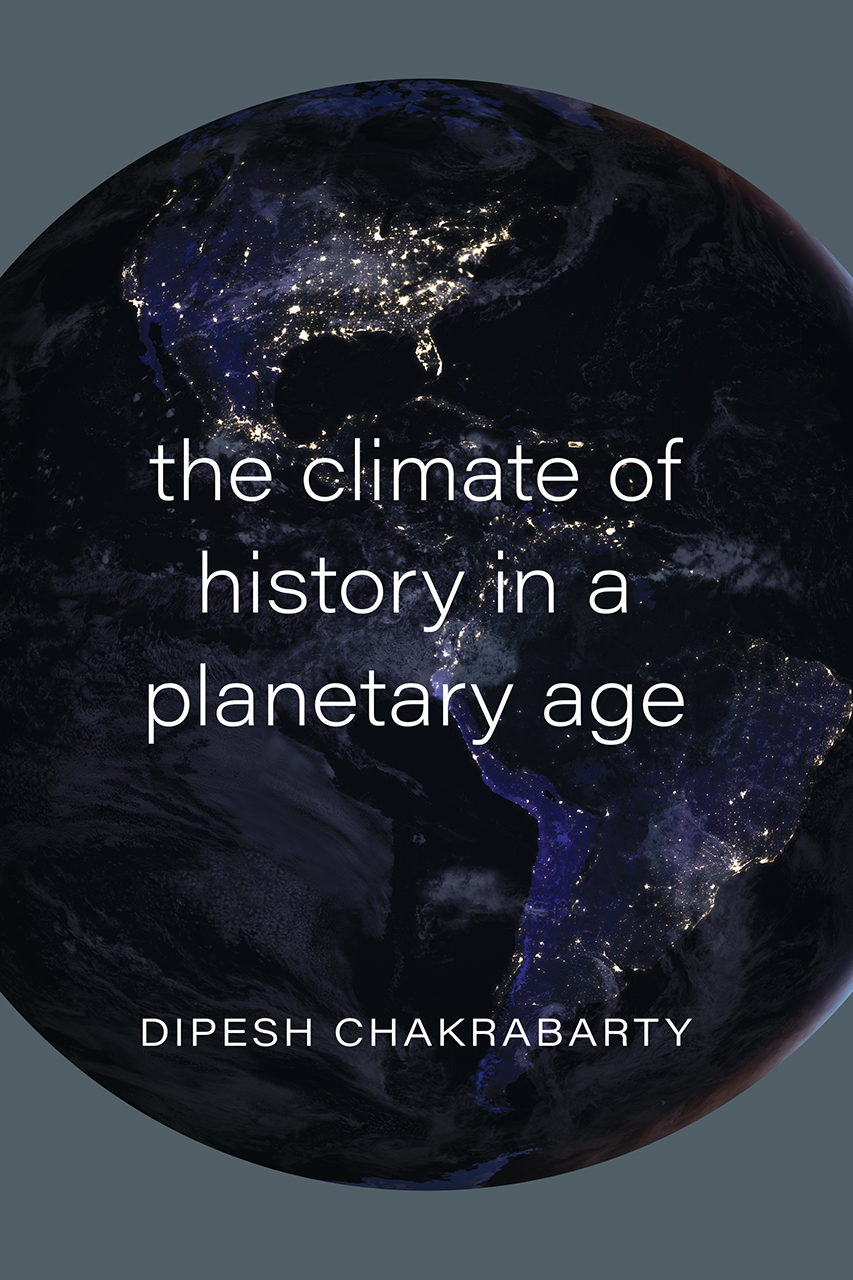
The Climate of History in a Planetary Age
For the past decade, historian Dipesh Chakrabarty has been one of the most influential scholars addressing the meaning of climate change. Climate change, he argues, upends long-standing ideas of history, modernity, and globalization. The burden of The Climate of History in a Planetary Age is to grapple with what this means and to confront humanities scholars with ideas they have been reluctant to reconsider—from the changed nature of human agency to a new acceptance of universals. Chakrabarty argues that we must see ourselves from two perspectives at once: the planetary and the global. This distinction is central to Chakrabarty’s work—the globe is a human-centric construction, while a planetary perspective intentionally decenters the human. Featuring wide-ranging excursions into historical and philosophical literatures, The Climate of History in a Planetary Age boldly considers how to frame the human condition in troubled times. As we open ourselves to the implications of the Anthropocene, few writers are as likely as Chakrabarty to shape our understanding of the best way forward.
The hidden ‘rules of the game’ that dictate how we navigate the world | Psyche Videos
How free are we really, if human behaviour embodies the complex, intertwined webs of society and history?
history
History refers to the study, documentation and narrating of the past. Knowing and understanding of the past is essential when envisioning, planning and building the future. The way how history is told affects the ways in which future can be imagined.
When You Change the World and No One Notices
Do you know what’s happening in this picture? Literally one of the most important events in human history.
100 Little Ideas
A list of ideas, in no particular order and from different fields, that help explain how the world works…
Let’s Talk About Margins
We're making a book. The margins are important. Do you know how important? An essay on the importance of details felt, if not always noticed.
History Cooperative
Our modern world is shaped by the decisions, actions, and events of generations past. To understand who we are, explore how we got here at History Cooperative.
The great myth of empire collapse | Aeon Essays
Societal downfalls loom large in history and popular culture but, for the 99 per cent, collapse often had its upsides
Empire: World History

On Writing #3
Periodically I like to gather various observations about writing, and share my perspective.