

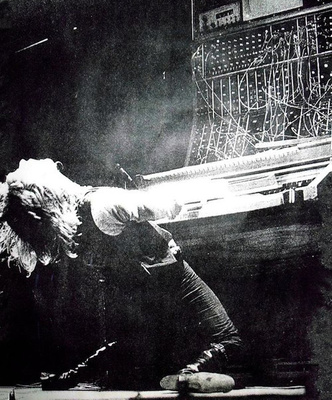
In the summer of 1970, after popping into a pub for a pint, rock keyboardist Keith Emerson sat down at his enormous Moog modular synthesizer in London’s...
Free, Open Source Modular Synth Software Lets You Create 70s & 80s Electronic Music—Without Having to Pay Thousands for a Real-World Synthesizer
In the past decade or so, the analog modular synth—of the kind pioneered by Robert Moog and Don Buchla—has made a comeback, creating a booming niche market full of musicians chasing the sounds of the 70s and 80s.

A dispatch from the dawn of the electronic music age | Aeon Videos
These days, synthesised sound is easy to access – but early electronic music pioneers had to get hands on to produce it
Open source modular synth software lets you create 70s & 80s electronic music | Hacker News
Hardware is much more hands on, with real dials, switches, and other means of physical interaction which screens and mice don't come close to matching. Hardware does exist through which musicians can interact with computers, but it's usually MIDI, which has its own limitations compared to fully analog gear.
How Bay Area Hip-Hop Found Its Sound in the 1980s
Casio keyboards, homemade tapes and the boundless creativity of Bay Area youth flourished in the 1980s hip-hop scene.

Devices | Audiotool
Explore Audiotool's collection of synthesizers, drum machines, and effects. From powerful synths like Heisenberg and Pulverisateur to classic drum machines and professional effects.
Jimi Hendrix Was a Systems Engineer
How did Jimi Hendrix turn his guitar into a wave synthesizer? Dive into the engineering behind his iconic sound.

Classic Synth Sounds in Bitwig
This Bitwig Course covers classic sounds from electronic music that you can create with simple subtractive synthesizers and a few tweaks, without complex fx chains. If you start making music, you should know these classics, because every other sound is more or less an fork or alteration of these classics!


Interview with James Murphy
Had the incredible honor of interviewing another hero of mine. Below, some questions with legend and fellow synth enthusiast James Murphy. Synth History: What are a few of your all-time favorite synths? James: I go through phases in some ways, but there are a few that have been long standing essentials for me. First has to be the EMS Synthi A. LCD Soundsystem - Someone GreatI got one of these back in '98 on the recommendation of either Tim Goldsworthy or Jagz Kooner to use on a David Holmes re

Learning Synths | Hacker News
It teaches you step by step all the aspects of a synth engine: oscillators, wave shapes, amplitude, filters, modulation, unison, FM… But most of all it trains your ear, which allows you to replicate the sound in your head and build it from scratch.
Yeah - Pretentious Mix
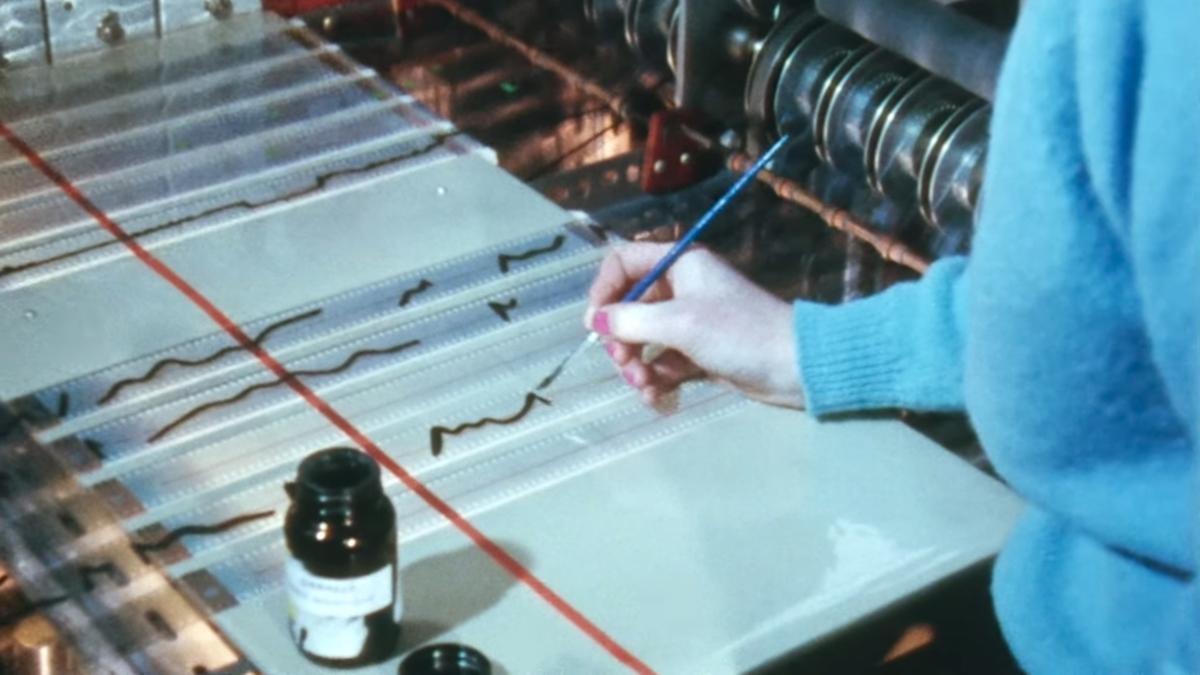
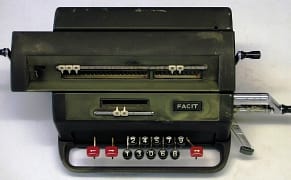
70 Years of Glitchy Computer History Turned Into Music
Late at night in Great Britain's National Museum of Computing in Bletchley Park, some of the world's oldest computers awoke from mechanical slumber.
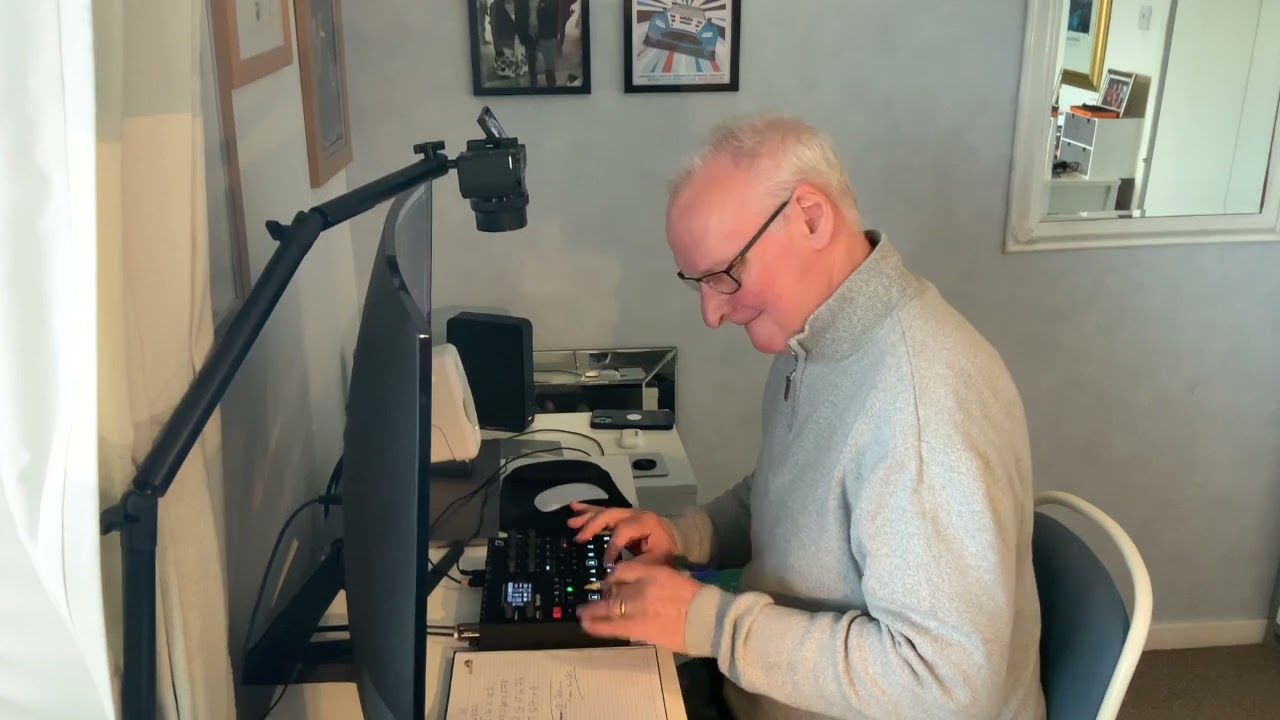
"Last night I got an email from someone who said 'I'm 46, is it okay to start producing music?' I said 'yes, start now!'": How a 67-year-old pensioner went viral performing industrial techno at home
What started as a post-retirement hobby has led The Last DJ to runaway success and his first gig in 40 years. Now he's on a mission to inspire others to do the same
The Mythos of the Electronic Revolution
JAMES W. CAREY, JOHN J. QUIRK, The Mythos of the Electronic Revolution, The American Scholar, Vol. 39, No. 3 (Summer, 1970), pp. 395-424
Mr. Rogers Introduces Kids to Experimental Electronic Music (1968) | Hacker News
The experimental children's records mentioned in the article are absolutely worth your time, as well as the aforementioned Lucifer, but anyone interested should also hear "Party Machine"[2] (co-produced by Russell Simmons) and the 32 minute epic "Icarus"—both bonus tracks on Haackula[3], a 2008 collection of previously unreleased material. There's also some really good stuff on Bruce Haack Remixes[4] which came out on Stones Throw in 2012.
Built a lofi granular synth this arvo at a workshop facilitated by Griffith Uni (Cultivating Digital Music Making In Regional Communities) I was delighted to be invited along, engage in discussions + make some new connections. Thanks to the research team and Sauerbier House for hosting it!
