The rights and wrongs of Apple’s fight with the FBI
FBI Breaks into iPhone. We Have Some Questions.
The FBI has successfully accessed data on an iPhone that has been the subject of a legal battle between the Justice Department and Apple, according to a court filing. EFF is pleased that the Justice
Tech ethics won’t save us
This week, both Apple and Google have come under fire for continuing to allow sales of a Saudi government app which will enable men to…

Apple Computer, Inc. v. Franklin Computer Corp.
Apple Computer, Inc. v. Franklin Computer Corp., 714 F.2d 1240 (3d Cir. 1983), was the first time an appellate level court in the United States held that a computer's BIOS could be protected by copyright. As second impact, this ruling clarified that binary code, the machine-readable form of software and firmware, was copyrightable too and not only the human-readable source code form of software.[1][2]
Bill C-22’s Groundhog Day: Why the Government’s Dismissal of Signal, Apple and the U.S. Congress Concerns Runs Back the Disastrous Online News Act Playbook - Michael Geist
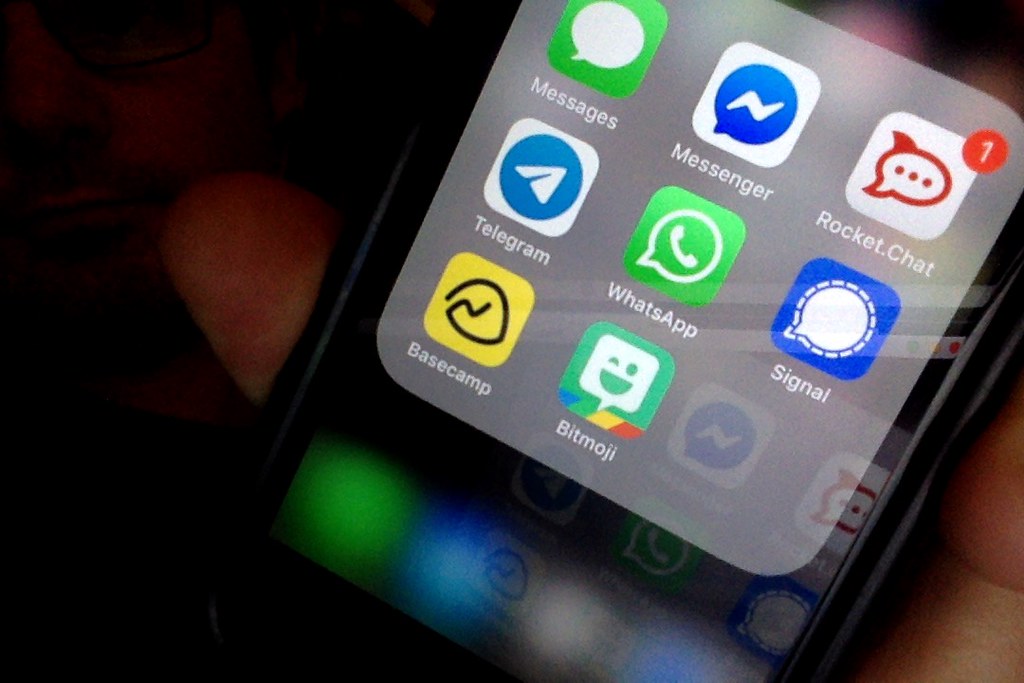
Secure messaging service Signal yesterday became the latest company to warn that Bill C-22, the lawful access bill, could force it to leave the Canadian market rather than comply with provisions it says would compromise its end-to-end encryption and create new cybersecurity risks. Signal vice-president Udbhav Tiwari told the Globe and Mail that the company “would rather pull out of the country than be compelled to compromise on the privacy promises we have made to our users.” The comments are part of a steady stream of similar warnings from Apple, Meta, the Canadian Chamber of Commerce, the Cybersecurity Advisors Network, and the chairs of the U.S. House Judiciary and Foreign Affairs Committees. Despite growing concern, the government’s response has been to launch a misleading social media campaign and repeatedly insist that the experts and companies are mistaken.
Protected by its moat, Apple has time to get AI right
Best of all, the hardware it sells today will run whatever Apple comes up with.


Apple Is Suing OpenAI for Allegedly Stealing Hardware Secrets
The iPhone maker claims OpenAI encouraged poached employees to bring over confidential presentations, secret prototypes, and key supplier details.

Apple's Assault on Standards - Infrequently Noted
By subverting the voluntary nature of open standards, Apple has defanged them as tools that users can employ against the totalising power of native apps in their digital lives. This high-modernist approach is antithetical to the foundational commitments of internet standards bodies and, over time, erode them.

Analyzing The ForcedEntry Zero-Click iPhone Exploit Used By Pegasus
Citizen Lab has released a report on a new iPhone threat dubbed ForcedEntry. This zero-click exploit seems to be able to circumvent Apple's BlastDoor security, and allow attackers access to a device without user interaction.
Is Apple Security a MYTH?
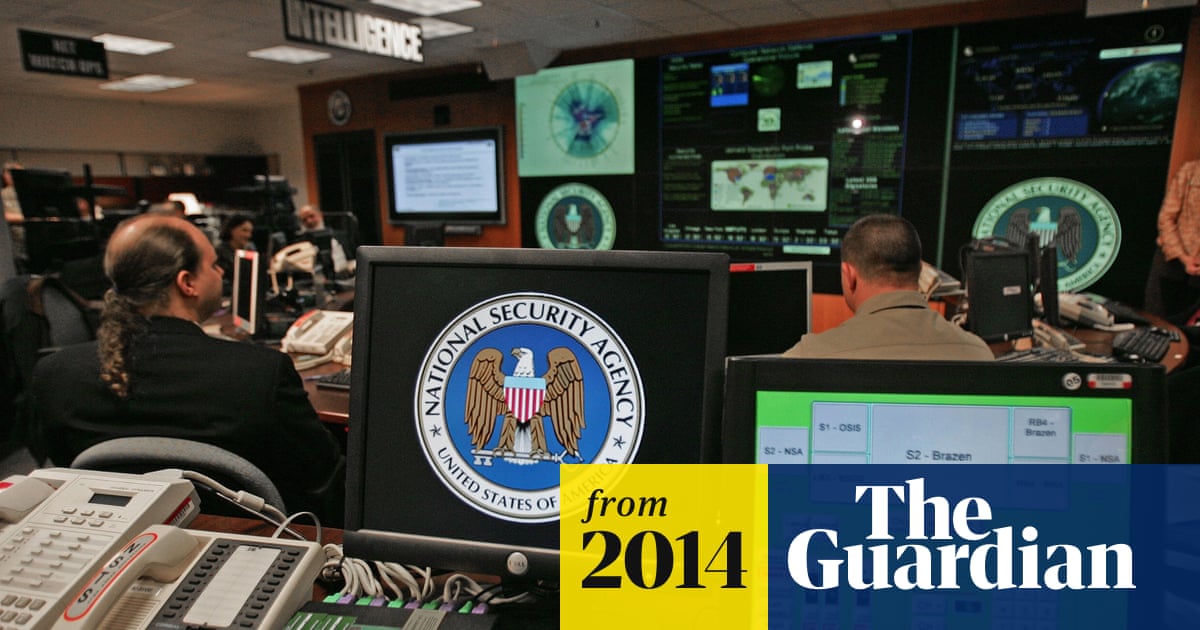
Privacy under attack: the NSA files revealed new threats to democracy
We now know the apparatus of repression has been attached to the democratic state, but our struggle for privacy is far from hopeless. By Eben Moglen
Revealed: how Russia uses mobile ‘super-app’ Max to spy on its citizens
Research shows tens of millions of people are being forced to use platform that amounts to ‘backdoor’ on their device
Apple's plan to allow browser competition dubbed unworkable - Open Web Advocacy
The #AppleBrowserBan Ends in the EU!
SLAP and FLOP: Apple's Lack of Full Site Isolation and iOS Browser Ban Puts Users at Risk - Open Web Advocacy
TL:DR; Yet again Apple’s ban on third-party browser engines weakens security rather than strengthens it.