


The NSA documents Edward Snowden leaked have sparked a debate within the US about surveillance. While Americans understood that the US government was likely intercepting telephone and social media data from terrorism suspects, it’s been an uncomfortable discovery that the US collected massive sets of email and telephone data from Americans and non-Americans who aren’t… Read More »Me and my metadata – thoughts on online surveillance
We Need A Massive Surveillance Program (Idle Words)
I am a privacy activist who has been riding a variety of high horses about the dangers of permanent, ubiquitous data collection since 2012.
NSA tracking cellphone locations worldwide, Snowden documents show
Snowden documents show agency is collecting billions of records on whereabouts of mobile devices

Should You Be Afraid of the NSA? - Learn Liberty
NSA Surveillance Debate: Cindy Cohn vs Ronald Sievert | Learn Liberty
In NSA-intercepted data, those not targeted far outnumber the foreigners who are
Files provided by Edward Snowden show the extent ordinary Web users get caught in the net of surveillance.

After the Internet
In the wake of Edward Snowden's revelations, and concern that the internet has heightened rather than combated various forms of political and social...

Permanent record
"In 2013, twenty-nine-year-old Edward Snowden shocked the world when he broke with the American intelligence establishment and revealed that the United States government was secretly pursuing the means to collect every single phone call, text message, and email. The result would be an unprecedented system of mass surveillance with the ability to pry into the private lives of every person on Earth. Six years later, Snowden reveals how he helped to build this system and why he was moved to expose it. Spanning the bucolic Beltway suburbs of his childhood and the clandestine CIA and NSA postings of his adulthood, Permanent Record is the account of a bright young man who grew up online - a man who became a spy, a whistleblower, and, in exile, the Internet's conscience."--Jacket

U.S. Spy Agencies Buy Vast Quantities of Americans’ Personal Data, U.S. Says
Commercially available data from cars, phones and web browsers now rivals results from wiretaps, cyber espionage and physical surveillance.

The Internet is a surveillance state | CNN
Bruce Schneier says our surveillance state is efficient beyond the wildest dreams of George Orwell, and consumers are given little chance to opt out

UK spies using social media data for mass surveillance | TechCrunch
Privacy rights group Privacy International says it has obtained evidence for the first time that UK spy agencies are collecting social media information on potentially millions of people.

Privacy under attack: the NSA files revealed new threats to democracy
We now know the apparatus of repression has been attached to the democratic state, but our struggle for privacy is far from hopeless. By Eben Moglen
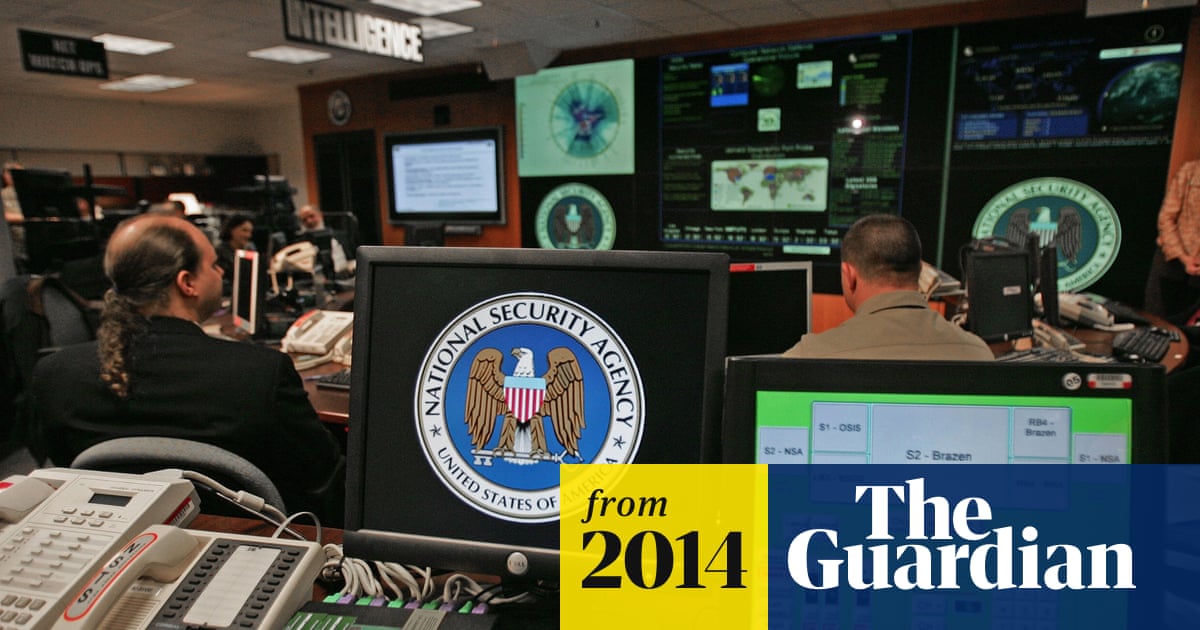
A New Era of Mass Surveillance is Emerging Across Europe
The world was a different place when, in October 2015, the Court of Justice of the European Union (CJEU) struck down the “Safe Harbour” data-sharing agreement that allowed the transfer of European citizens’ data to the US. The Court’s decision concluded that the indiscriminate nature of the surveillance programs carried out by U.S. intelligence agencies, […]
Leaked: Politicians’ emails and passwords on the dark web (2026 update) | Proton
Government officials across Europe and the US have had their official email addresses — and even passwords — leaked on the dark web. Here's how to protect yourself.
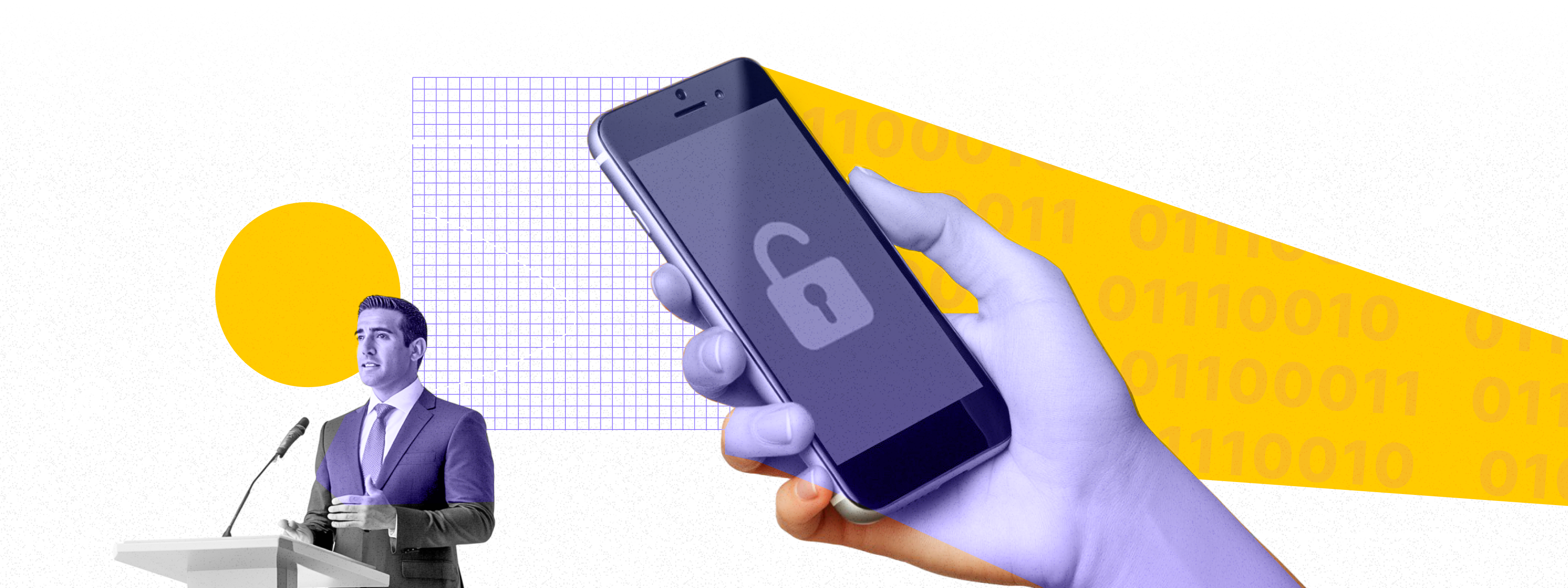
Data flows and water woes: The Utah Data Center
Using a new materialist line of questioning that looks at the agential potentialities of water and its entanglements with Big Data and surveillance, this article explores how the recent Snowden revelations about the National Security Agency (NSA) have reignited media scholars to engage with the infrastructures that enable intercepting, hosting, and processing immeasurable amounts of data. Focusing on the expansive architecture, location, and resource dependence of the NSA’s Utah Data Center, I demonstrate how surveillance and privacy can never be disconnected from the material infrastructures that allow and render natural the epistemological state of mass surveillance. Specifically, I explore the NSA’s infrastructure and the million of gallons of water it requires daily to cool its servers, while located in one of the driest states in the US. Complicating surveillance beyond the NSA, as also already imbricated with various social media companies, this article questions the emplacement and impact of corporate data centers more generally, and the changes they are causing to the landscape and local economies. I look at how water is an intriguing and politically relevant part of the surveillance infrastructure and how it has been constructed as the main tool for activism in this case, and how it may eventually help transform the public’s conceptualization of Big Data, as deeply material.

We Now Know What Information the FBI Can Obtain from Encrypted Messaging Apps
Despite its “going dark” claims, the FBI can obtain a remarkable amount of user data from messaging apps that collectively have several billion global users

How 9/11 changed the way America surveils its citizens • Stateline
The terrorist attacks of Sept. 11, 2001, transformed how American intelligence and law enforcement agencies collect, share and analyze information. Twenty-five years later, that infrastructure has merged with a digital world capable of generating vast amounts of data about Americans — and artificial intelligence is making it easier to connect and analyze that information. The result is a surveillance system far more powerful than anything imaginable in 2001, raising new questions about privacy, policing and civil liberties.
