FAO Food Price Index
UN: Cost of food rises at fastest pace in over a decade
Soaring food prices are likely to fuel concerns about the threat of inflation after the pandemic.

Global Food Prices at Six-Year High Are Set to Keep On Climbing
Global food prices reached a six-year high in December and are likely to keep rising into 2021, adding to pressure on household budgets while hunger surges around the world.

Open Food Facts - world
A collaborative, free and open database of ingredients, nutrition facts and information on food products from around the world

Open Food Facts - world
A collaborative, free and open database of ingredients, nutrition facts and information on food products from around the world
Food price rises around the world are result of ‘broken’ system, say experts
Surge of about 20% this year due to system that concentrates power and profits in hands of few companies
Open Food Facts
A collaborative, free and open database of ingredients, nutrition facts and information on food products from around the world
Universal Basic Nutrient Income — Institutional Infrastructure for 2040 Food Preparedness?
This blog post marks the starting point of our work on the Universal Basic Nutrient Income (UBNI) policy instrument in Sweden. This…

Cheaper Groceries | Platform | The Australian Greens
Everyone should be able to afford healthy food, without the profit-driven price tag.

Good food and nutrition for all – Victorian Socialists
Everyone deserves a decent meal. Good food should be affordable and easily available. We want to set up cost-price food hubs and cap supermarket prices.
index
Located in the plaza at M Street Landing outside of Pitango, Philippe Chow and The Fish Shop, the new site provides an accessible setting that allows the market to continue its important role in supporting regional farmers and strengthening community food access. Long running favorite vendors and farmers have been invited to participate at the new location, and applications will soon open for additional vendors. The market will continue to participate in the DC Produce Plus and senior benefit programs, helping ensure fresh food remains accessible to all members of the community.
Why a cheeseburger can cost less than fruit
THE STATE OF FOOD SECURITY AND NUTRITION IN THE WORLD 2021
Transforming food systemsfor food security, improved nutritionand affordable healthy diets for all
Why Climateflation Will Drive Food Prices More Than War
Economists expect this summer's heatwaves to drive 2027 food prices more than the Iran war. Climateflation, explained: from your grocery bill to your mortgage rate.

Only one country in the world produces all the food it needs, study finds | BBC Science Focus Magazine
The others are vulnerable to the effects of war, natural disasters and trade disputes on their food supply.

How does food get traded around the world?
Our interactive tool helps you see where food is exported from and where it goes.
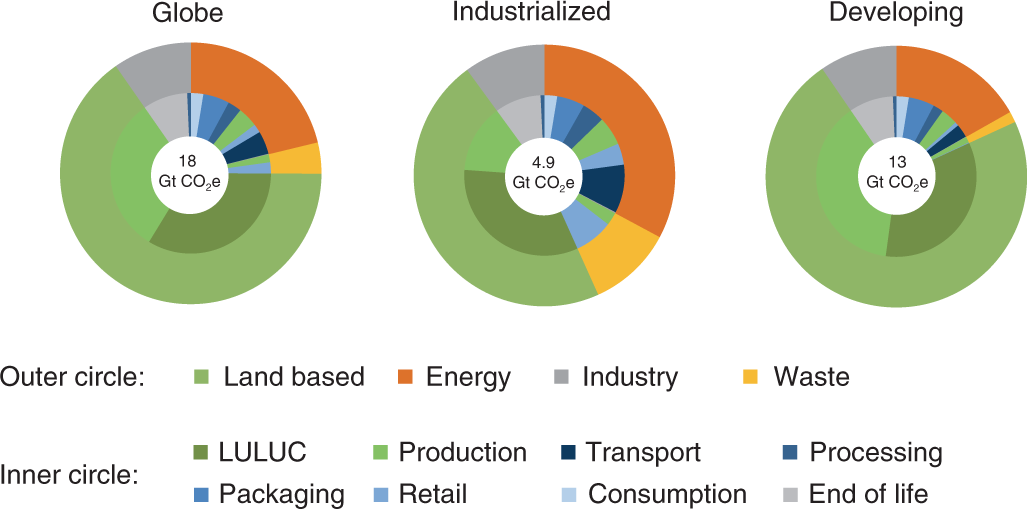
Food systems are responsible for a third of global anthropogenic GHG emissions
We have developed a new global food emissions database (EDGAR-FOOD) estimating greenhouse gas (GHG; CO2, CH4, N2O, fluorinated gases) emissions for the years 1990–2015, building on the Emissions Database of Global Atmospheric Research (EDGAR), complemented with land use/land-use change emissions from the FAOSTAT emissions database. EDGAR-FOOD provides a complete and consistent database in time and space of GHG emissions from the global food system, from production to consumption, including processing, transport and packaging. It responds to the lack of detailed data for many countries by providing sectoral contributions to food-system emissions that are essential for the design of effective mitigation actions. In 2015, food-system emissions amounted to 18 Gt CO2 equivalent per year globally, representing 34% of total GHG emissions. The largest contribution came from agriculture and land use/land-use change activities (71%), with the remaining were from supply chain activities: retail, transport, consumption, fuel production, waste management, industrial processes and packaging. Temporal trends and regional contributions of GHG emissions from the food system are also discussed.