


Read this article to discover how chess is used to teach people how to think. "It’s uncomfortable to focus so intensely on what you’re bad at."
Playing chess is an essential life lesson in concentration | Aeon Essays
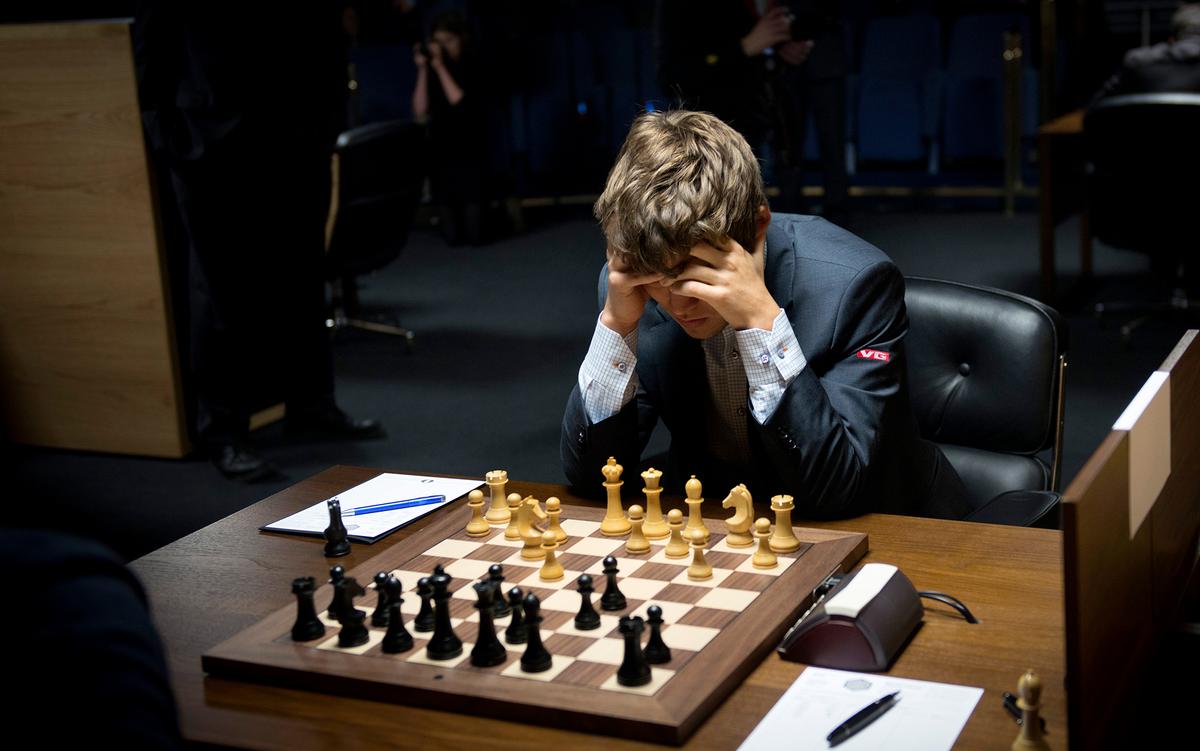
The challenge of chess – learning how to hold complexity in mind and still make good decisions – is also the challenge of life
Thinking Fast, Slow, Artificially: AI and Your Brain
AI can boost your decisions — or quietly undermine them. Wharton researchers introduce a new theory of cognition that every leader needs to understand.

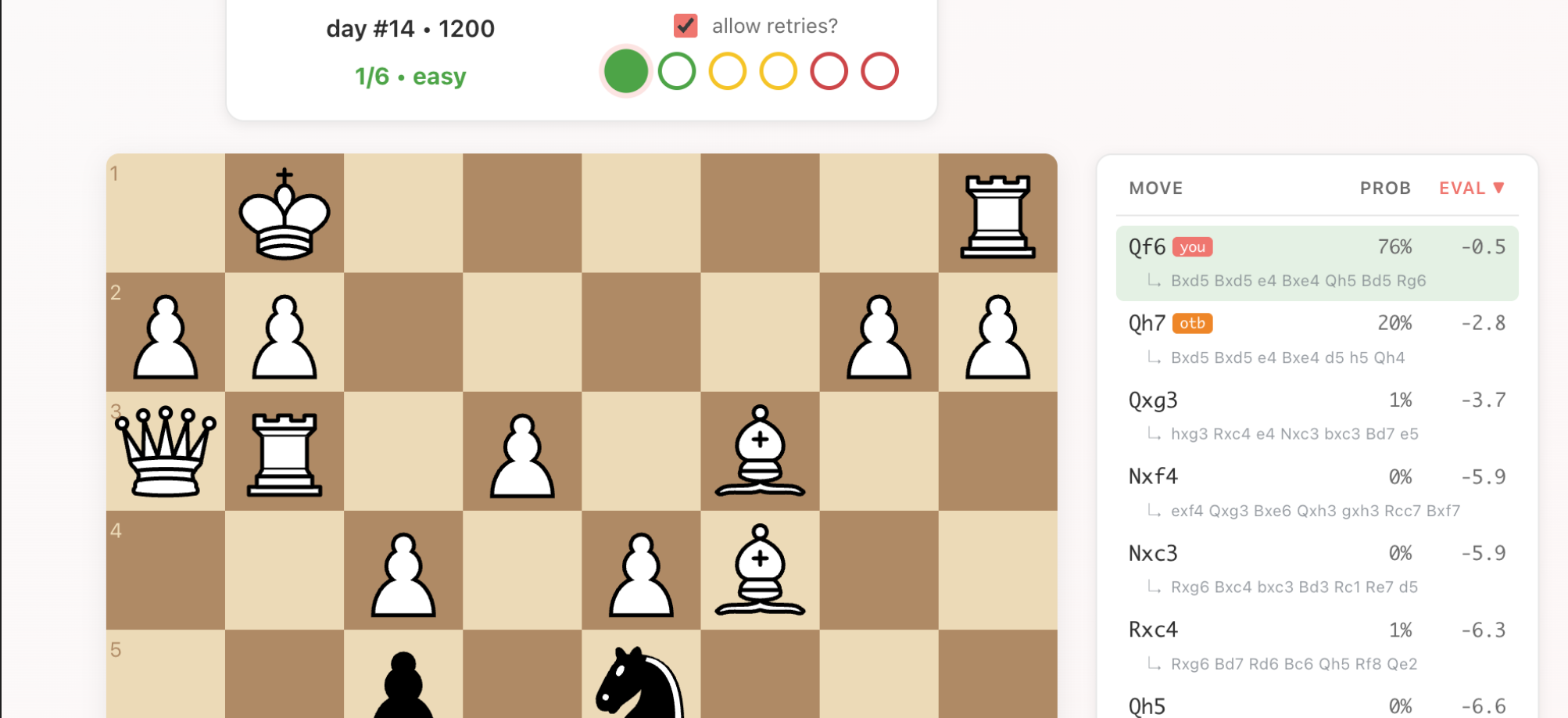
Bridging the human–AI knowledge gap through concept discovery and transfer in AlphaZero
AI systems have attained superhuman performance across various domains. If the hidden knowledge encoded in these highly capable systems can be leveraged, human knowledge and performance can be advanced. Yet, this internal knowledge is difficult to extract. Due to the vast space of possible internal representations, searching for meaningful new conceptual knowledge can be like finding a needle in a haystack. Here, we introduce a method that extracts new chess concepts from AlphaZero, an AI system that mastered chess via self-play without human supervision. Our method excavates vectors that represent concepts from AlphaZero’s internal representations using convex optimization, and filters the concepts based on teachability (whether the concept is transferable to another AI agent) and novelty (whether the concept contains information not present in human chess games). These steps ensure that the discovered concepts are useful and meaningful. For the resulting set of concepts, prototypes (chess puzzle–solution pairs) are presented to experts for final validation. In a preliminary human study, four top chess grandmasters (all former or current world chess champions) were evaluated on their ability to solve concept prototype positions. All grandmasters showed improvement after the learning phase, suggesting that the concepts are at the frontier of human understanding. Despite the small scale, our result is a proof of concept demonstrating the possibility of leveraging knowledge from a highly capable AI system to advance the frontier of human knowledge; a development that could bear profound implications and shape how we interact with AI systems across many applications.

Amateur Chess Is Mostly Tactics and That's Unfortunate For Me - Chess Forums
When someone asks whether tactics or positional play is more important in chess the typical answer is that they are equally important. And this is true if we are to define chess as played by the best players. However chess is not played this way by everyone. Amateur chess is filled with tactical errors...
How the Brain Changes When We Practice Knowing Our Minds
Practicing self-affirmation wires your brain to recognize your own brand of failure, reducing the defensiveness that can hinder performance improvement.
In an Ancient Game, Computing's Future (Published 2002)
Go is game of such depth and complexity that no computer has yet been able to achieve level of skill beyond that of casual player; game described; programmers see it as more accurate than chess in reflecting ways in which human mind works, and challenge of programming computer to mimic human process goes to core of artificial intelligence; developments in analyzing game and programming it discussed; photos (M)

What Monks Know about Focus
It’s Never Been Easy to Battle Distraction. Reviewing Jamie Kreiner’s New Translation of John Cassian in ‘How to Focus’
Why Our Brain Thrives on Mistakes
A slowly growing body of research suggests that our common aversion to failure is itself a failed strategy. Being curious about our mistakes is the royal road to learning. And mindful techniques can help.
The Score: How to Stop Playing Somebody Else's Game
A philosophy of games to help us win back control over …

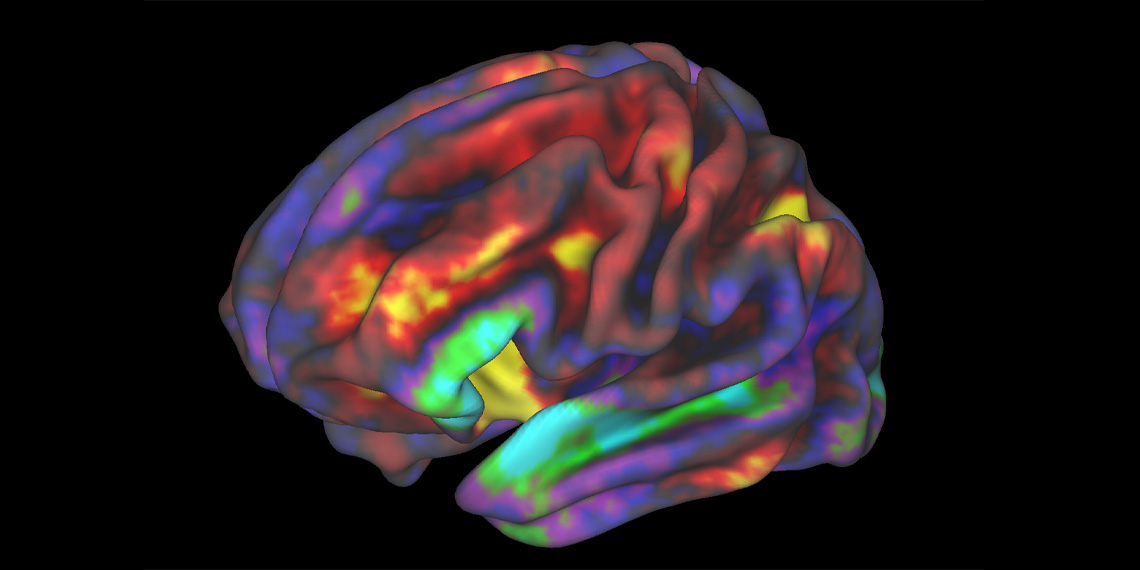
Brain imaging study finds that teaching math anxious students to reframe their anxieties improves their performance
New research suggests that a cognitive reappraisal strategy can help math anxious individuals regulate their negative emotions surrounding math. The study
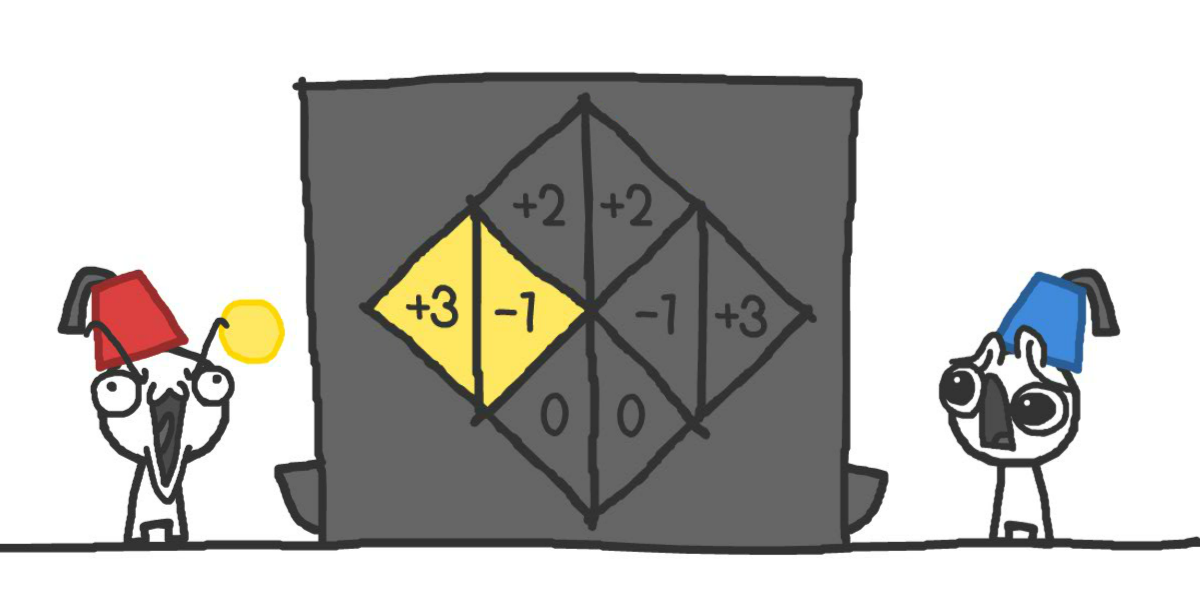
The Evolution of Trust
an interactive guide to the game theory of why & how we trust each other
In our course and book _Calling Bullshit_, we posit that If something seems too good, or too bad, to be true, it probably is. Now as a college professor I'm pretty confident that overreliance can AI can harm our thinking ability, but just ten minutes of use? Let's dig into this this study a bit.

Using AI for just 10 minutes erodes your ability to persist at hard things - Berkeley News
news.berkeley.edu