

The following is a transcript of a teaching experiment, using the Socratic method, with a regular third grade class in a suburban elementary school. I present my perspective and views on the session, and on the Socratic method as a teaching tool, following the transcript. The class was conducted on a Friday afternoon beginning at 1:30, late in May, with about two weeks left in the school year. This time was purposely chosen as one of the most difficult times to entice and hold these children's concentration about a somewhat complex intellectual matter. The point was to demonstrate the power of the Socratic method for both teaching and also for getting students involved and excited about the material being taught. There were 22 students in the class. I was told ahead of time by two different teachers (not the classroom teacher) that only a couple of students would be able to understand and follow what I would be presenting. When the class period ended, I and the classroom teacher believed that at least 19 of the 22 students had fully and excitedly participated and absorbed the entire material. The three other students' eyes were glazed over from the very beginning, and they did not seem to be involved in the class at all. The students' answers below are in capital letters.
Socratic questioning
Socratic questioning is an educational method named after Socrates that focuses on discovering answers by asking questions of students. According to Plato, Socrates believed that "the disciplined practice of thoughtful questioning enables the scholar/student to examine ideas and be able to determine the validity of those ideas". Plato explains how, in this method of teaching, the teacher assumes an ignorant mindset in order to compel the student to assume the highest level of knowledge. Thus, a student is expected to develop the ability to acknowledge contradictions, recreate inaccurate or unfinished ideas, and critically determine necessary thought.

Keating — The Hyperteacher
Socratic AI that forces you to reconstruct understanding from memory. No hand-holding. No spoon-feeding. Free and open source.
Why Some Students Learn Faster
A hypothesis about teaching and learning
Why Some Students Learn Faster
A hypothesis about teaching and learning
Why Some Students Learn Faster
A hypothesis about teaching and learning
Khan Academy and the Effectiveness of Science Videos
Teacher spends two days as a student and is shocked at what she learns
'Teachers work hard, but I now think that conscientious students work harder. '

How A.I. Killed Student Writing (and Revived It)
High school and college teachers are watching students write, in the classroom, in order to protect against the incursion of artificial intelligence.

In pursuit of Cognitive Solidarity
Guest post by Pip Sanderson, National Institute of Teaching (England)

Surfacing Teachable Moments in Community
I’ve had this post sitting in draft for a while now, but was nudged to work on it a bit more — after reading, and being inspired by…

Teaching iteration
I’ve written about the class I’d like to teach, but what I’ve been thinking about lately is the class I’d like to attend. Not necessarily now, but when I was growing up. In the 6th grade, let’s say…

Why should children program - a review of Seymor Paperts Mindstorms
This is an essay about what it means to teach a kid to program, using Seymor Paperts groundbreaking book Mindstorms as a reference.
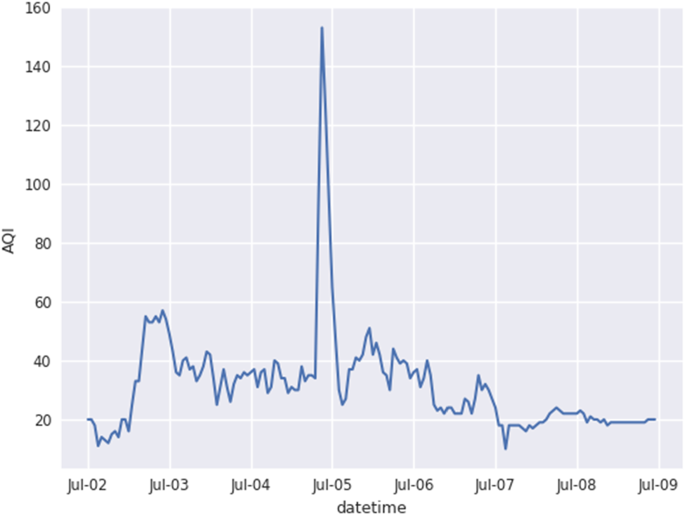
Open science meets orange skies: K-12 educators’ engagement with computational notebooks to explore scientific events with human impacts
Computational notebooks are becoming a popular method to introduce mathematics, data, and scientific computing concepts to secondary students. Advocates argue computational notebooks encourage transparency and reproducibility in student work and can enable more personalized investigations of publicly available civic and scientific datasets. However, little is known about how teachers navigate these complex artifacts, let alone how they might support their students in doing so. In this paper, we investigate six pre-service and two in-service K-12 teachers’ sensemaking during a structured clinical think-aloud interview as they engaged with a computational notebook that examines disruptions in local air quality. The notebook presented a common event (annual fireworks) and an extreme event that impacted human health, during which the skies above the greater metropolitan San Francisco Bay region in California, USA turned orange due to wildfire pollution (“Orange Skies Day”, Sept 9, 2020). We examine the ideas that participants engaged as they interacted with the notebooks, and identify three ways in which they interacted with code in the notebook: to make sense of the scientific phenomenon (all participants), to make sense of the available data (6 out of 8 participants), and/or integrate these two dimensions (4 out of 8 participants). We present examples of each of these three forms of sensemaking, highlight their similarities and distinguishing features, and discuss implications for teacher education.
Unlocking Scientific Concepts: How Effective Are LLM-Generated Analogies for Student Understanding and Classroom Practice?
Teaching scientific concepts is essential but challenging, and analogies help students connect new concepts to familiar ideas. Advancements in large language models (LLMs) enable generating analogies, yet their effectiveness in education remains underexplored. In this paper, we first conducted a two-stage study involving high school students and teachers to assess the effectiveness of LLM-generated analogies in biology and physics through a controlled in-class test and a classroom field study. Test results suggested that LLM-generated analogies could enhance student understanding particularly in biology, but require teachers’ guidance to prevent over-reliance and overconfidence. Classroom experiments suggested that teachers could refine LLM-generated analogies to their satisfaction and inspire new analogies from generated ones, encouraged by positive classroom feedback and homework performance boosts. Based on findings, we developed and evaluated a practical system to help teachers generate and refine teaching analogies. We discussed future directions for developing and evaluating LLM-supported teaching and learning by analogy.

There is something to @benjaminjriley.bsky.social 's ways educators see the "science of learning". I think the SoL is a term more popular in the US. This post could have been the same in the UK as a way educators talk about "cognitive science". buildcognitiveresonance.substack.com/p/the-science-of-learning-tax…

The Science of Learning Taxonomy
buildcognitiveresonance.substack.comAI in the Classroom

Investigating AI usage in the classroom as a parent of a child entering the K-12 system.
Use of technology in classrooms has been a disaster for students [column]

NYC school system to ban AI for elementary, middle school students
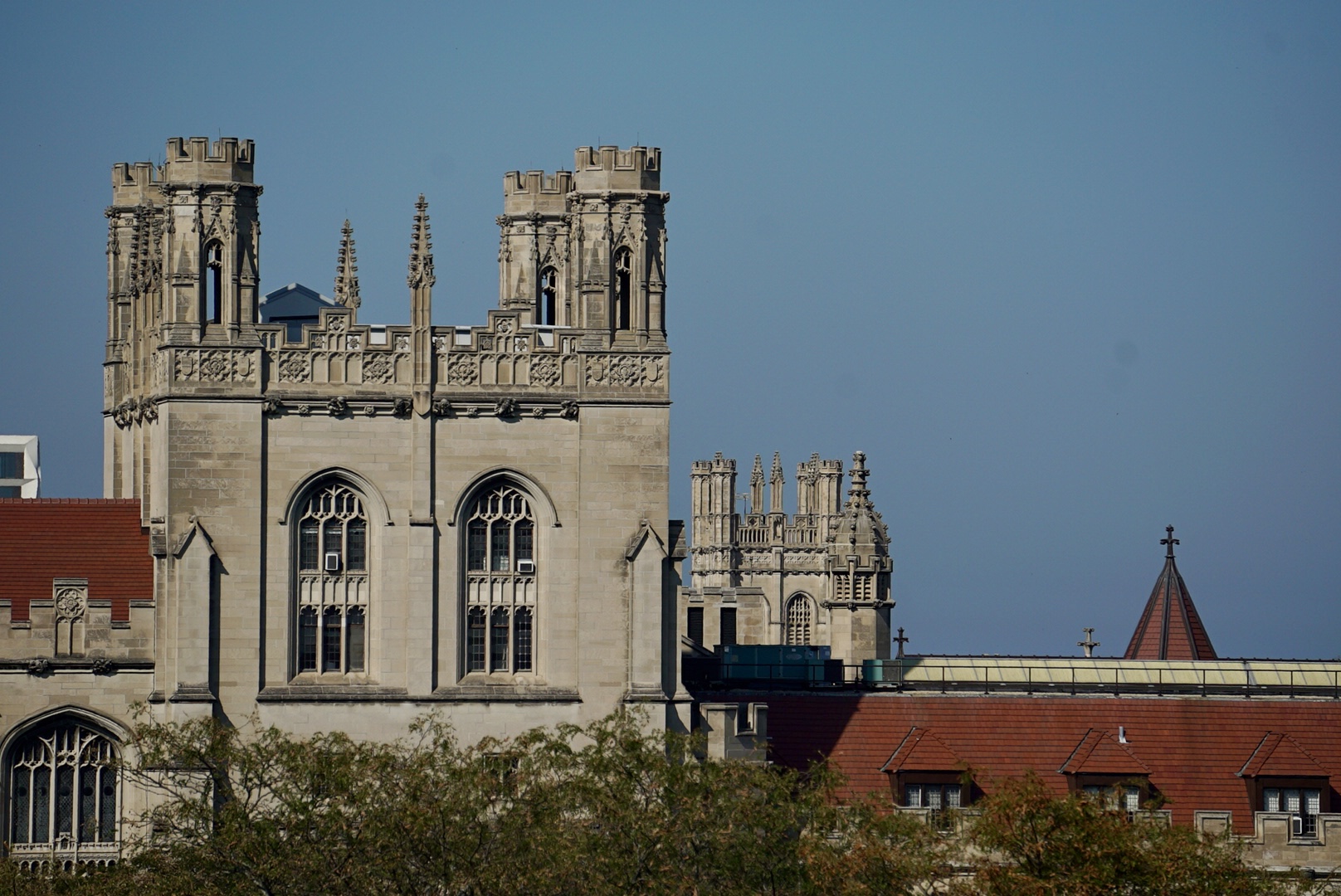
Sosc Core to Institute AI Ban, Technology-Free Classrooms This Fall
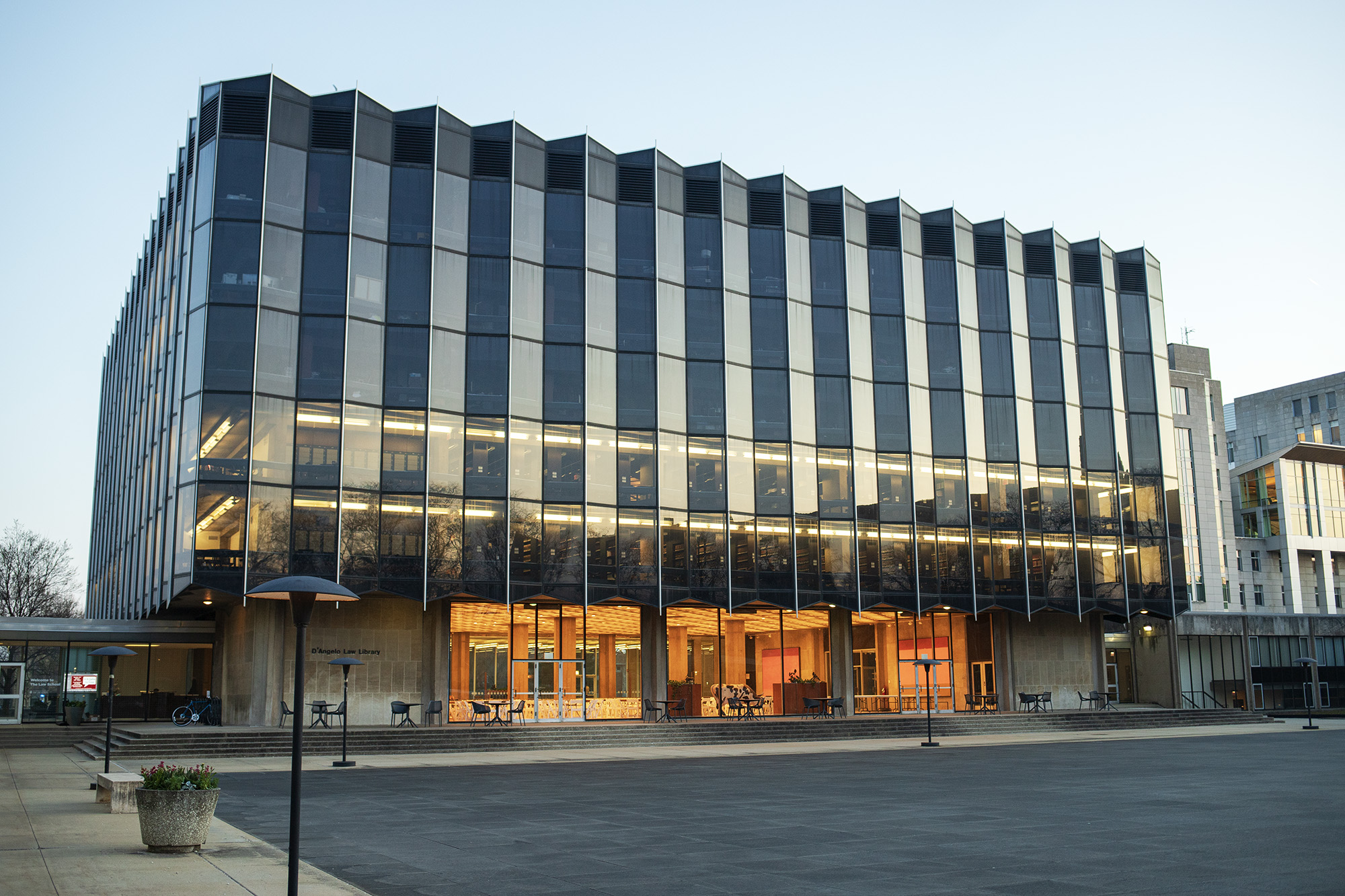
“The Template for Law Schools Around the World”: UChicago Law School Announces New AI Strategy

Does AI stop children from learning?

A new direction for students in an AI world: Prosper, prepare, protect | Brookings
