We all know the story: you can’t make money on open source. Is it really true?
The Money In Open-Source Software | TechCrunch
It’s no secret that open-source technology -- once the province of radicals, hippies and granola eaters -- has gone mainstream. According to industry estimates, more than 180 young companies that give away their software raised roughly $3.2 billion in financing from 2011 to 2014. Despite the growing popularity of open-source software, though, many open-source companies are not financially healthy.

Open Source is Not Enough
by James Halliday // The open source movement has fundamentally changed how software gets written. But in the process, corporations have been given a vast gift of free labor.
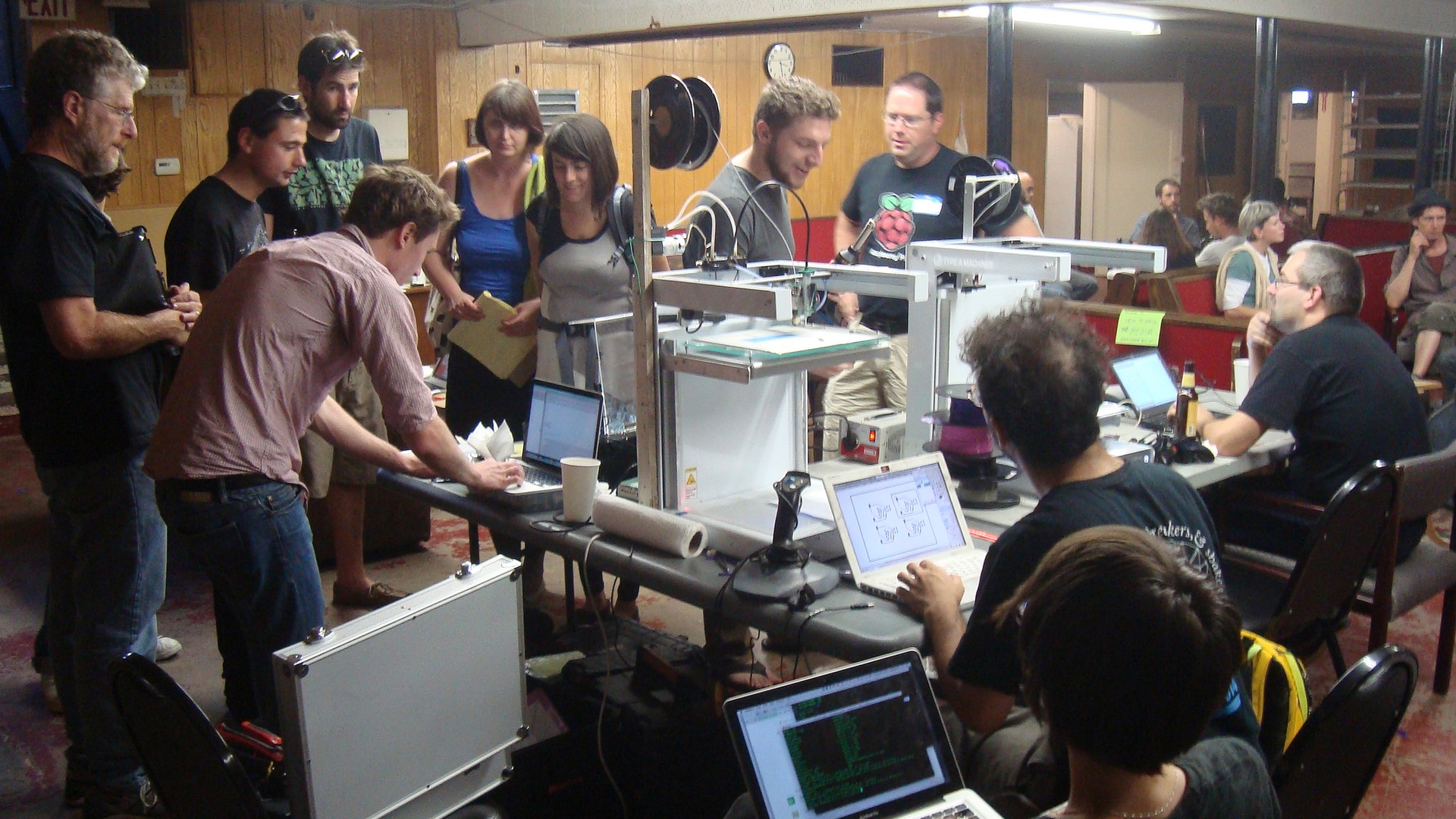
Open source is a restaurant
[[Chad Whitacre]] makes a great analogy around when/how software gets paid for, vs food. Open Source is a restaurant. At a restaurant, you eat your meal fir...

It’s time to rethink Open Source
Why developers give away valuable work for free — and what can be done to take that money back.

How much are open-source developers really worth? Hundreds of billions of dollars, say economists
A new report finds that open-source technologies have huge potential, but it is still largely untapped.

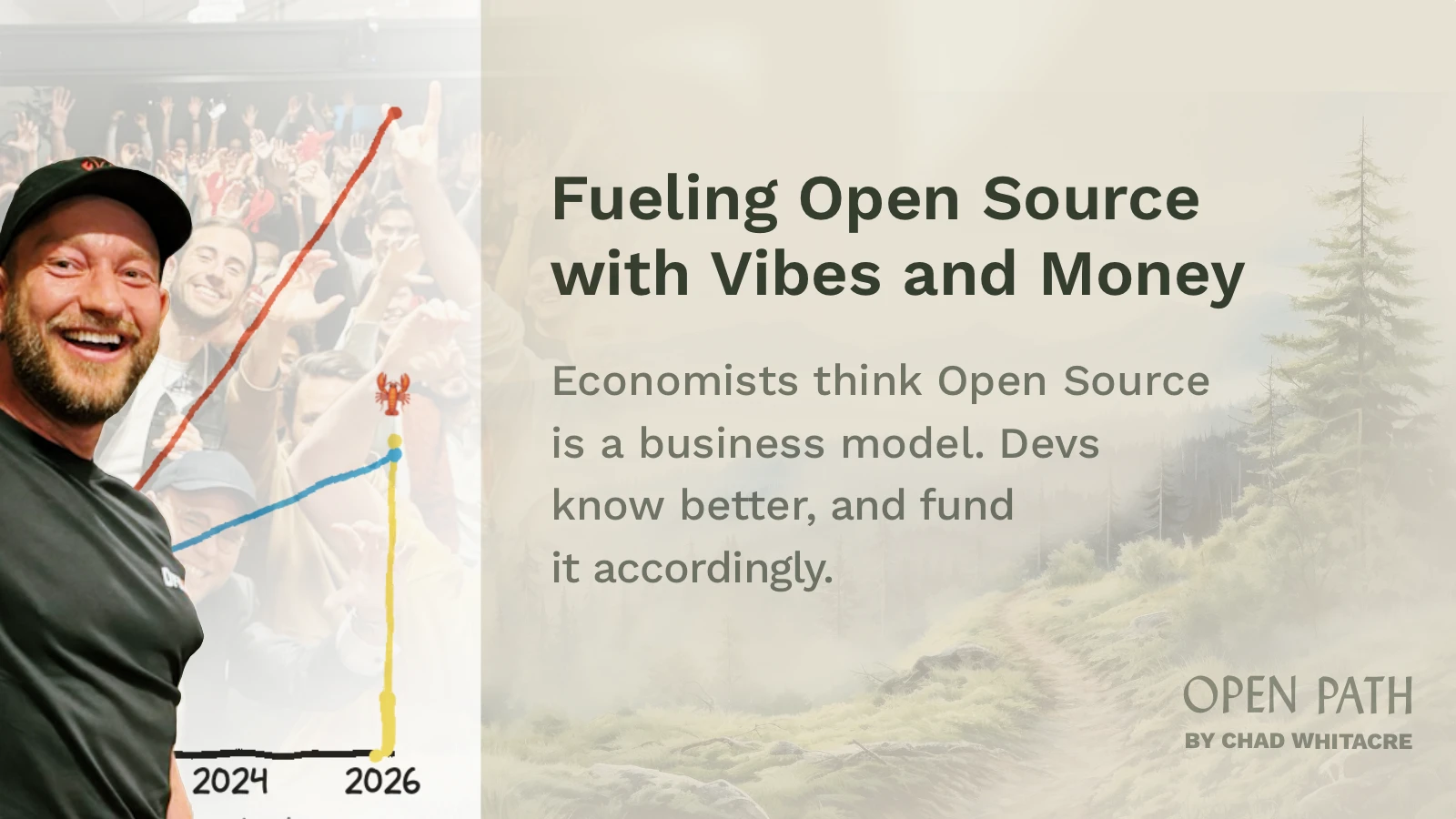
Fueling Open Source with Vibes & Money
Economists think Open Source is a business model. Devs know better, and fund it accordingly.
In 2019, multiple open source companies changed course—is it the right move?
We have to draw a line between open source and the right to make money with open source."

More Money For Better Open-Source Software

Open Source Has Not Failed. Don't Cover Up Corporate Abuse of Open Source
Open source's free licensing does not drive inequality. Corporate's lack of support for open source does drive inequality.

Proprietary Software Giants Telling Us That “Open Source Has Won” Means That “Open Source” is Just Proprietary Software Giants
Don't fall for the deceitful illusion that monopolies hijacking what they've dubbed the
How to Make Money from Open Source Platforms - Linux.com
John Mark Walker is the Open Source Ecosystems Manager at Red Hat. I never thought I’d have to write this article in 2015. By now, I thought it would be self-evident how to derive revenue from open source software platforms. But alas, no. Despite the fact that the success of open source software is unparalleled and […]
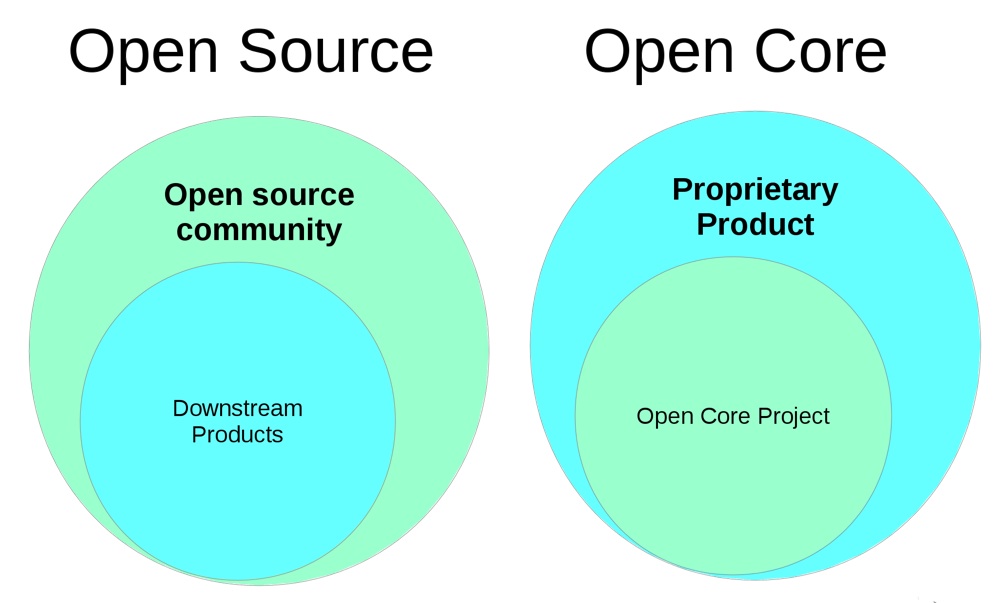
Open Source is a cost-allocation system
Because the right to use the software is not tied to payment, the license does not connect the people who benefit, the people who decide, and the people who bear the costs. Projects have to build those connections deliberately through governance.

I hate the term “open source”
It doesn’t accurately reflect how people are building today anymore.

The emerging economic paradigm of Open Source
The following commentary is part of First Monday's Special Issue #2: Open Source. Open Source developers have, perhaps without conscious intent, created a new and surprisingly successful economic paradigm for the production of software. Examining that paradigm can answer a number of important questions. It's not immediately obvious how Open Source [1] works economically. Probably the worst consequence of this lack of understanding is that many people don't understand how Open Source could be economically sustainable, and some may even feel that its potential negative effect upon the proprietary software industry is an overall economic detriment. Fortunately, if you look more deeply into the economic function of software in general, it's easy to establish that Open Source is both sustainable and of tremendous benefit to the overall economy. Open Source can be explained entirely within the context of conventional open-market economics. Indeed, it turns out that it has much stronger ties to the phenomenon of capitalism than you may have appreciated.
There is Still NO Open Source Business Model
I wrote a blog post two years ago called There is NO Open Source Business Model. In it, I argued that open source software is really about…