

“Not to lie about the future is impossible and one can lie about it at will” – Naum Gabo [1]
RESPONSES TO THE CALIFORNIAN IDEOLOGY BY CELIA PEARCE
The publication of 'The Californian Ideology' has inspired an impassioned debate over the issues raised by the article. Here is a selection of some of the most interesting responses to the piece:
Californian ideology
Californian ideology refers to the dominant ideology of Silicon Valley, as described by the British media theorists Barbrook and Cameron in their 1995 essay "The Californian Ideology". The ideology is very influential because of the ubiquity of Californian technology products, as well as because siliconization has made it prominent in computing industries all around the world.
Afterlives of the California Ideology| “Polemic Becomes Canon”: An Interview With Richard Barbrook on the Californian Ideology
In this interview, Richard Barbrook shares his perspective on the essay “The Californian Ideology,” which he published in 1995 and 1996 with Andy Cameron, who died in 2012. Richard Barbrook lays out the essay’s genesis, explores the inspiration offered by Marx and Engels’ The German Ideology, discusses his ambivalent but not simply dismissive relationship to California and the United States, and provides insight into the thinking around the masters program in hypermedia at the University of Westminster, United Kingdom, that he and Cameron were setting up at the time of the essay’s publication. In the essay they wanted to impart a different approach to digital technologies than was prevalent in the Californian computer industry at the time. Overall, the interview makes it apparent how “The Californian Ideology” should be seen in its temporal context—as well as how the basic questions the essay raises continue to shape the discussion about digital media and infrastructures today.
The Future of Everything is Lies, I Guess: Where Do We Go From Here?
This is a long article, so I've broken it up into a series of posts, listed below. You can also read the full work as a PDF or EPUB.
Thirty Years On, the Californian Ideology is Alive and Well
In the seminal essay, Barbrook and Cameron insisted that there are other ways to build technology, and to do it democratically, writes Nathan Schneider.
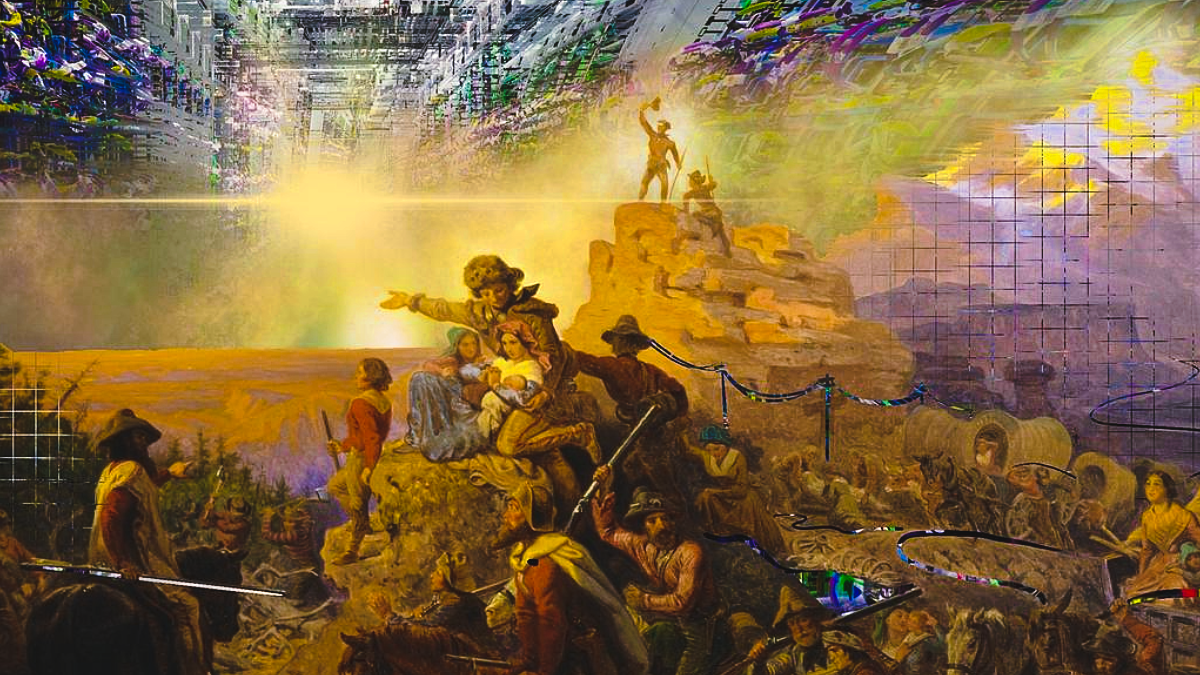
The Future of Everything is Lies, I Guess
This is a long article, so I've broken it up into a series of posts, listed below. You can also read the full work as a PDF or EPUB.
The lie at the heart of hopelessness
Most people I know are fighting severe anxiety about their individual and our collective future right now, struggling to picture a life worth planning. It is paralysing, also for me. It is also a lie. Not that reality isn't grim (ignoring that will only make things worse) but paralysis is neither

Who Owns the Future? Ways to Understand Power, Technology, and the Moral Commons
Thomas Meier and Kristina Khutsishvili argue for a reorientation to revive the democratic lifeblood of shared meaning, moral cultivation, and civic agency.
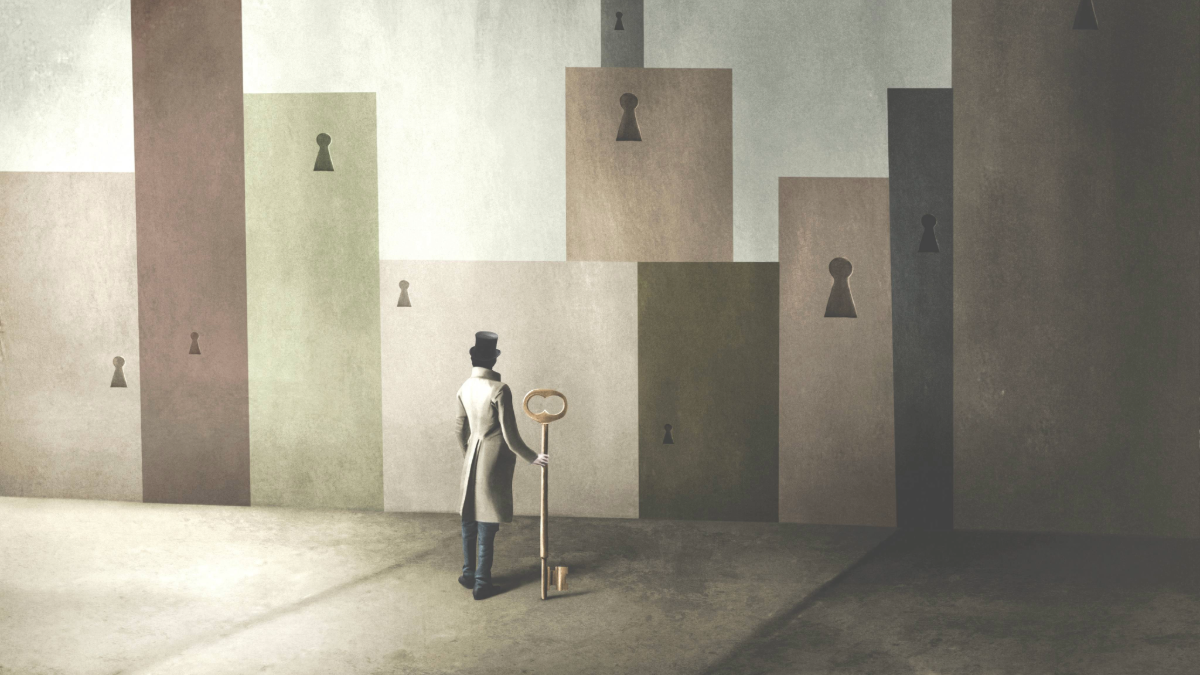
How are we writing the future of humanity?
Consciousness spinning
A Thesis on the History of the 21st Century: Technocracy, AI, and the End of the World
Reviewing a trio of books by a sextet of ruling-class ideologues, Mathias Fuelling finds an ambient anxiety hanging over a perceived crisis in American capitalism, with visions of bolstering a Silicon Valley-led technocracy fueled by AI investment reflecting American fears over the dawn of a "Chinese Century."
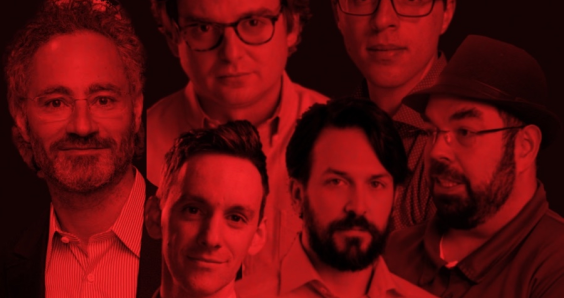
Silicon Valley, disruption, and the end of uncertainty
This paper reflects on the relationship between high-tech disruption narratives and uncertainty. My main argument is that an economic sociology of the future is incomplete without addressing the ‘d...

Have people heard or read about the California Ideology from Barbrook and Cameron circa 1995? networkcultures.org/wp-content/uploads/2015/10/05…
The present no longer lasts long enough to be a setting. All fiction is either science fiction or historical fiction. I've been saying this for long enough that even this statement itself is no longer true. The future doesn't last long enough either. All science fiction is now retrofuturism.


