


One of the biggest realisations I’ve come to as part of my PhD, is how little people care about how I spend my time, they only care about what I am able to deliver. Yet in order to deliver, you need to finish. I was recently reading an article on this topic, and I think the advice can be best summed up as:
How to Get Things Done When You Don’t Feel Like It: Five strategies for pushing through: Queue: Vol 16, No 4
If you want to be successful, then it serves you better to rise to the occasion no matter what. That means learning how to push through challenges and deliver valuable results.

Feeling unproductive? Maybe you should stop overthinking.
In order to get something done, maybe we need to think less.
How Exceptionally Productive People End The Workday
Discover the best habits to help you end the workday, leave work at work, and set yourself up for maximum productivity the next morning.
Being busy is killing our ability to think creatively
Here's why you should try to fit less—not more—into each day.

Essentialism: Focus on Fewer Tasks to Get More Work Done
Have you ever felt like you’re just rushing from one task to the next, and you don't good about the tasks you actually accomplished? Instead of continuing to do things that aren't working, here is an in-depth guide to the essentialist path. This is the approach how you can get more work done with laser-like focus.

Stop Working So Hard
In response to a thoughtful reply from John Carmack, I share some thoughts on why we all need to stop working so damn hard.

Satisfaction and progress in open-ended work
When we’re in execution mode, we swim in signs of our progress. A day’s work stands crisply in some endless checklist: four problems solved; three features added; check and check. Am I on track? Did I have a good day? Typical productivity advice applies: set goals; track progress; triage tasks. A checklist makes the day’s grade clear enough.

Every productivity thought I've ever had, as concisely as possible - …
I combed through several years of my private notes and through everything I published on productivity before and tried to summarize all of it in this post. If you’re unproductive right now Here’s what you should do if you’ve been procrastinating for an entire day: Accept that you won’t do anything today and try not to get angry at yourself Set the alarm for the time you will be preparing to go to bed today No, really. Do it. It will take 20 seconds Procrastinate for the …
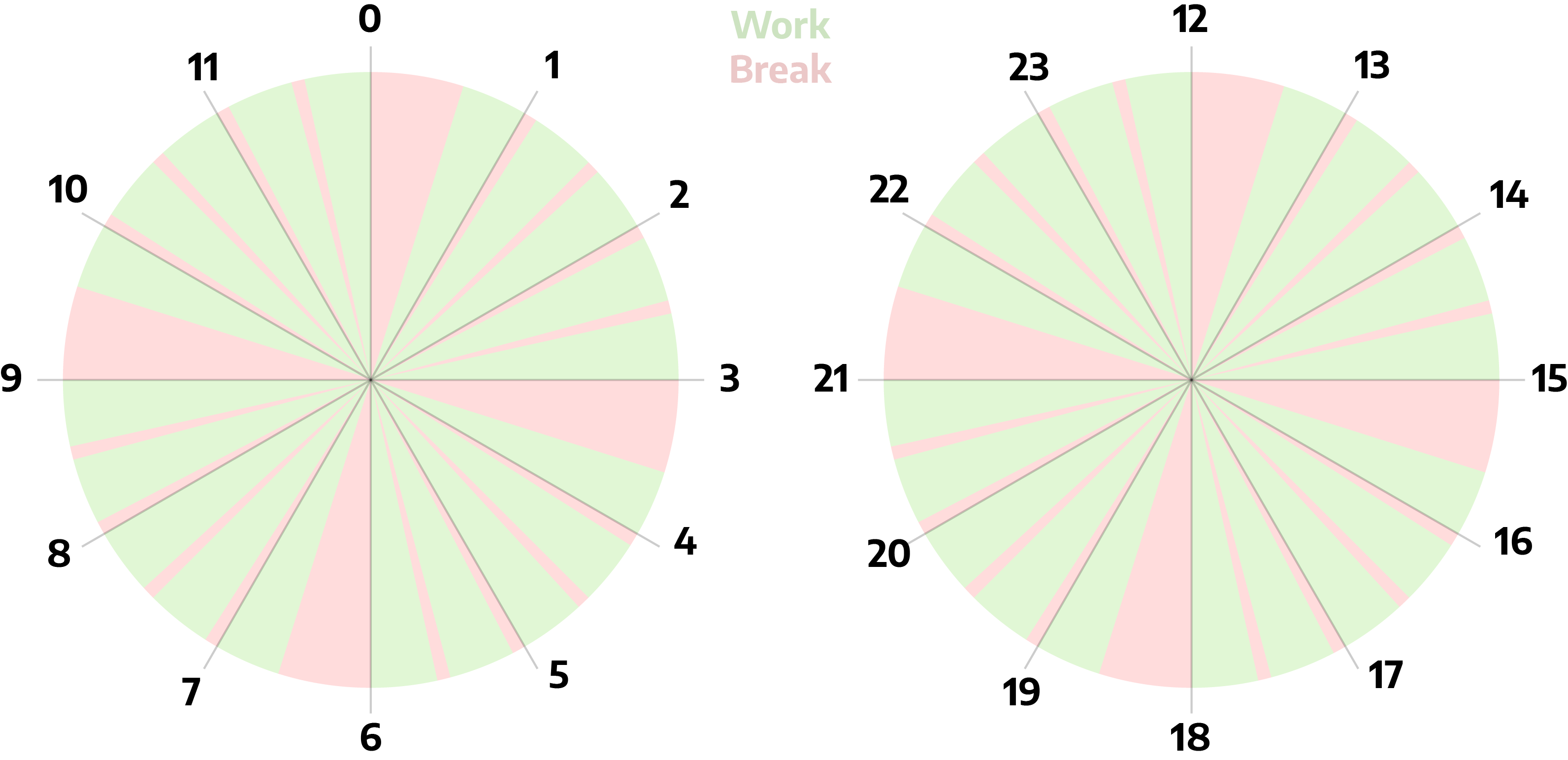
Every productivity thought I've ever had, as concisely as possible - …
I combed through several years of my private notes and through everything I published on productivity before and tried to summarize all of it in this post. If you’re unproductive right now Here’s what you should do if you’ve been procrastinating for an entire day: Accept that you won’t do anything today and try not to get angry at yourself Set the alarm for the time you will be preparing to go to bed today No, really. Do it. It will take 20 seconds Procrastinate for the …
Why you feel busy all the time (when you’re actually not)
Overwhelmed? It can seem like we’re busier than ever, but that’s not quite true, says Oliver Burkeman.

How to be more productive without forcing yourself
Imagine you could work more and be wildly productive. And you wouldn’t need to force yourself to work.
Procrastination: Why We Put Things Off and How to Finally Stop
Procrastination doesn’t mean laziness. With the right tools and methods, you can take steps to overcome procrastination and do the work that really matters.
Managing Yourself: What Brain Science Tells Us About How to Excel
Reprint: R1012L Millions of people are struggling at work. Some are in the wrong jobs. Others feel no connection to their colleagues or engagement with their tasks. The result is rampant dissatisfaction and underachievement. Hallowell, a child psychiatrist specializing in learning differences, describes the Cycle of Excellence, a plan for helping people achieve peak performance. It consists of five steps: Select a job that reflects what you like to do and what you do best and that adds value to the organization. Research has shown that good job fit reduces stress and increases satisfaction and performance. Connect with the people around you. Robust relationships in the workplace galvanize people and build their engagement with their jobs. Small talk may seem trivial, but it pays big dividends. Play on the job. It sounds like an oxymoron, but people do their best—and are most satisfied—when they’re imaginatively involved with their work. And when you’re hard at play, you’re building your brain. Grapple and Grow —that is, work hard to achieve a difficult task. The stress you may feel as you engage with a tough assignment and connect with others to complete it is not the toxic kind. Shine in the acknowledgment of your achievements. Praise releases chemicals that make us feel good, and it fills our uniquely human need to be of value, to matter. If you aren’t getting it, ask for it. The need for recognition is fundamental to optimal human performance.
Why we procrastinate and how to stop | (e) Science News
It's a new year and many of us have started thinking about various resolutions: updating that resume, cleaning out the attic, starting that exercise routine. But the sad reality is that most of us will not follow through on these commitments, not because we're insincere, but because tomorrow is always a better time to get going.
No One Dies in this Dystopia
I am all done with grading for the semester just past, but the work sticks to me in a way I can’t yet manage to fling off.

In 2026, I’m no longer interested in ‘working on myself’
We think of ourselves as full-time projects, but what if doing so much inner work does more harm than good?
