The Kauffman Foundation continues to recognize, with urgency, the significance of the role new and existing businesses play in local, regional, and the national economy. This report continues our series of sharing the state of capital access for entrepreneurs highlighting the need for innovative products and models to improve capital delivery systems.
Discovering the Startup City
Guest post written by Lesa Mitchell Lesa Mitchell is the vice president of Innovation and Networks at the Ewing Marion Kauffman Foundation. While all eyes focused on the fiscal cliff and how Washington will deal with this economic conundrum, the real cornerstones of our economic future can be found in America’s cities. [...]

Founders Hub | Transform Finance
The founder playbook for building a company that lasts and stays true to why you started it. Research, case studies, and practical tools for incorporation, fundraising terms, board structure, ownership, and culture.
Solving the affordability crisis one Chattanooga at a time | TechCrunch
We all know the success of America’s leading startup hubs, cities like San Francisco, New York City, Boston and several others. Entrepreneurial talent,

Love helping startup founders find their way in the world…? Metro Region Innovation Hub is hiring a Navigator – Portland Oregon startups, tech, news, events, jobs, and community
You know that person who always knows who you should talk to — or maybe you’re that person? Well, the Portland Metro Region Innovation Hub — you know, the hub of innovation for the entire Por…

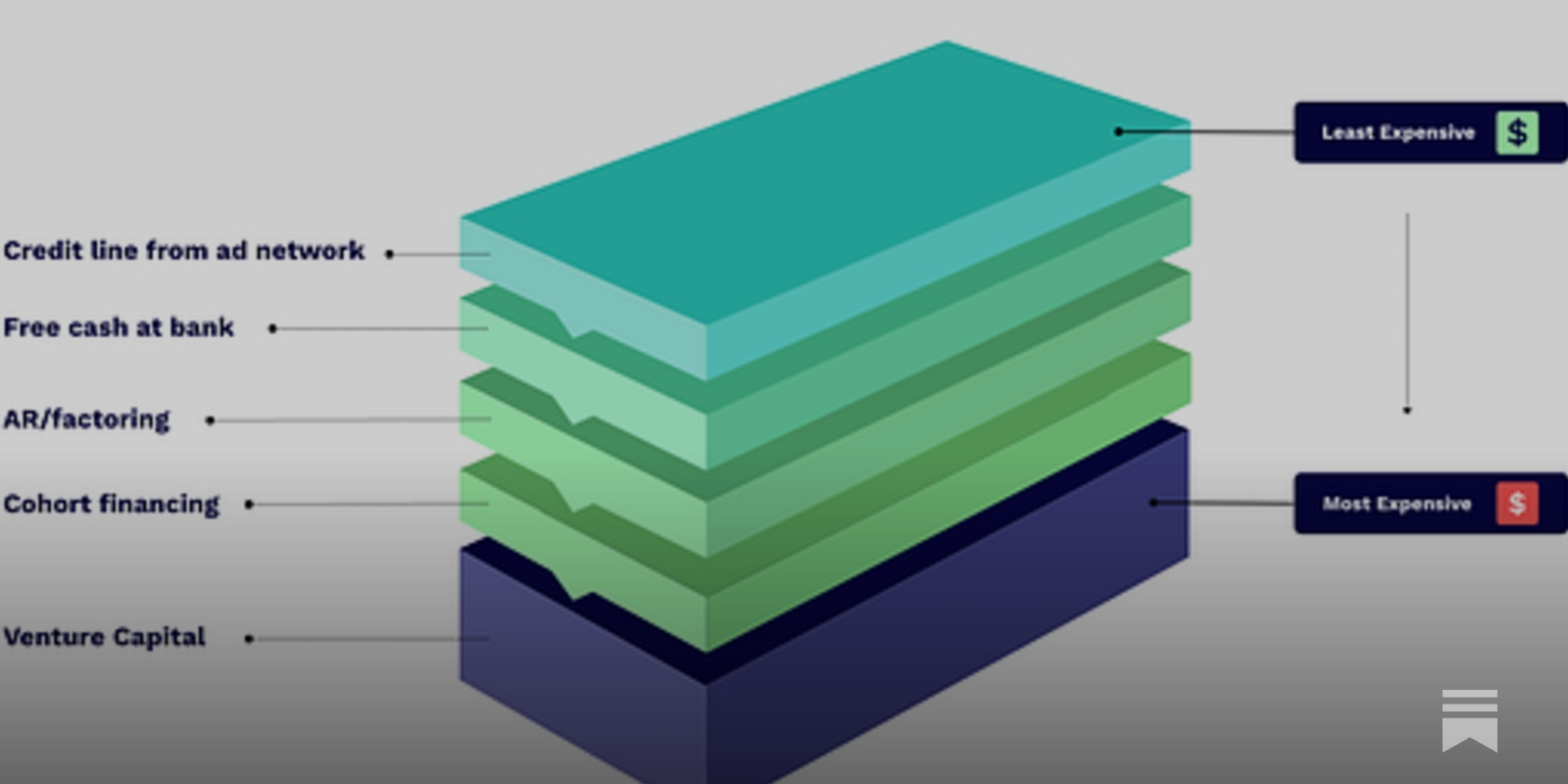
The Capital Stack
A framework for capital-efficient deployment of funds into mobile user acquisition
This New Cooperative Business Model Could Change Everything
Putting Post Growth Theory Into Practice
The Post Growth Entrepreneurship Incubator helps founders break free from traditional business models and implement sustainable…

The Everywhere Millionaire: Who Is Really Rich in America and How They Got There
From two leading economists comes a groundbreaking new portrait of the hidden fortunes of Main Street business owners—ordinary Americans who built extraordinary wealth and are quietly rewriting the rules of money and power. Most people think the path to great wealth runs through Wall Street or Silicon Valley. We’re told you must be a Zuckerberg, a Musk, or a Jamie Dimon to get rich. But this story is wrong. Drawing on unprecedented data from a decade of research and vivid real-life stories of entrepreneurs—from a self-made hot-dog stand billionaire to the heirs of an auto dealer—Zidar and Zwick reveal a surprising truth: prosperity is more attainable, more widely distributed, and closer to home than we imagine. A multitude of Americans have built staggering fortunes by running often unglamorous businesses far from the spotlight. A quiet revolution in the business world—the rise of “pass-through” firms like S-corporations and partnerships—supercharged this wealth, channeling vast income directly to business owners rather than traditional corporations.Part economic detective story, part roadmap to riches, this book reveals: —The Hidden 1%: They might be a local beer distributor, a dentist with a regional network of practices, a commercial HVAC contractor with trucks around town, or a restaurateur who keeps opening new locations. For every public company CEO, more than a thousand private business owners each have transformational wealth.— The Blueprint for Wealth: Zidar and Zwick describe where Main Street Millionaires come from, how they grew rich, and how much money they make. Their stories suggest the American Dream is not dead and many paths to prosperity remain open today. — Power Brokers: Armed with their fortunes, Main Street Millionaires wield power in city halls, statehouses, and Washington, often bending policy to protect what they’ve built. They are both growing the economic pie and grabbing bigger slices for themselves.The Everywhere Millionaire celebrates the stories of entrepreneurs who seized opportunities while asking hard questions about how concentrated wealth and power shape society. It is an essential guide to seeing the economy as it really is and recognizing the surprising paths to prosperity—and influence—everywhere.
Entrepreneuring for a Post-Growth Economy: From Sustainable to Post-Growth Entrepreneurship
Earth's critical planetary boundaries are being exceeded and current economic development models are failing to provide adequate societal benefits. Urgent

Advice and Insights for Entrepreneurs | OnStartups
Insights and ideas for software startups
12 Things I Learned from Chris Dixon about Startups | Andreessen Horowitz
#1 “If everyone loves your idea, I might be worried that it’s not forward thinking enough.” Anyone thinking about starting a business should be searching for mispriced opportunities. While markets are mostly efficient in eliminating opportunities for extraordinary profit, there are always areas of an economy in which there are significant uncertainty. These areas are...

TransCap Initiative
A collaborative innovation space for building the field of systemic investing

Kawaakibi Foundation
Kawaakibi Foundation is an accelerator for thinkers and doers, with a focus on empowering communities across the Middle East and North Africa
The Enterprise In 2015 | TechCrunch
At Emergence Capital, we have had the opportunity to invest in visionaries such as Marc Benioff, Aaron Levie and David Sacks who have built major enterprise cloud applications that have formed the basis of the next generation of business software around the world. As we look out to 2015, we are excited to invest in what’s next for the enterprise.

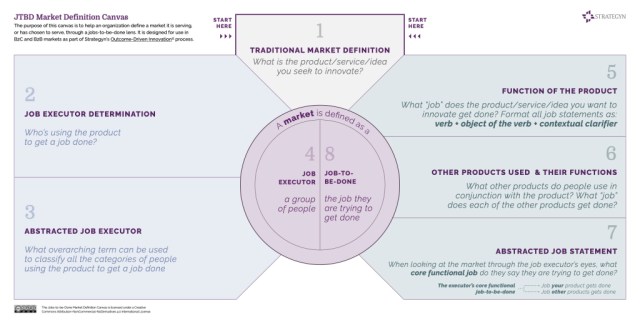
Clay Christensen: The Jobs to be Done Theory
Steve Blank How to Find a Market? Use Jobs-To-Be-Done as the Front End of Customer Discovery
Modern entrepreneurship began at the turn of the 21st century with the observation that startups aren’t smaller versions of large companies – large companies at their core execute known business mo…