Before the birth of Jesus of Nazareth, sugarcane (from which sugar is made) was harvested on the shores of the Bay of Bengal; it spread to the surrounding territories of Malaysia, Indonesia, Indochina, and southern China. The Arabic people introduced "sugar" (at that point a sticky paste, semi-crystallized and believed to have medicinal value) to the Western world by bringing both the reed and knowledge for its cultivation to Sicily and then Spain in the eighth and ninth centuries. Later, Venice—importing finished sugar from Alexandria—succeeded in establishing a monopoly over this new spice by the fifteenth century; at that point, it started buying raw sugar, and even sugarcane, and treating it in its own refineries. Venice's monopoly, however, was short-lived. In 1498, Portuguese navigator Vasco da Gama returned from India bringing the sweet flavoring to Portugal. Lisbon started to import and refine raw sugar, and, in the sixteenth century, it became the European sugar capital. It was not long before the sweetener was available in France, where its primary function continued to be medicinal, and during the reign of Louis XIV, sugar could be bought by the ounce at the apothecary. By the 1800s, sugar (though still expensive) was widely available to both upper and middle classes.
History, Sugar and Sex: Why Mixed Drinks Were Terrible for 30 Years
Imagine you are overworked, sleep-deprived and keen to begin your weekend with...

Uncooked cornstarch for the prevention of hypoglycemic events
Hypoglycemia is a pathological condition characterized by a low plasma glucose concentration associated with typical autonomic and/or neuroglycopenic symptoms, and resolution of these symptoms with carbohydrate consumption. Hypoglycemia is quite common in clinical practice, particularly in insulin-treated patients with diabetes and in other inherited or acquired conditions involving the regulation of glucose metabolism. Beyond symptoms that might strongly affect the quality of life, hypoglycemia can lead to short- and long-term detrimental consequences for health. Hypoglycemia can be prevented by appropriate changes in dietary habits or by relevant modifications of the drug treatment. Several dietary approaches based on the intake of various carbohydrate foods have been tested for hypoglycemia prevention; among them uncooked cornstarch (UCS) has demonstrated a great efficacy. In this narrative review, we have summarized the current evidence on the UCS usefulness in some conditions characterized by high hypoglycemic risk, focusing on some inherited diseases -i.e. glycogen storage diseases and other rare disorders - and acquired conditions such as type 1 diabetes, postprandial hypoglycemia consequent to esophageal-gastric or bariatric surgery, and insulin autoimmune syndrome. We also considered the possible role of UCS during endurance exercise performance. Lastly, we have discussed the dose requirement, the side effects, the limitations of UCS use, and the plausible mechanisms by which UCS could prevent hypoglycemia.
Sweetener — hygienic macros for TypeScript
Sweetener is a macro system for typescript. You are able to add any feature to the language you want. Using simple declarative macros, you can add any missing feature you always wished typescript had.
Marina Silva é o principal alvo de ofensas contra candidatas no X
Levantamento do MonitorA revela que 63% dos ataques e insultos foram feitos contra candidatas ao Senado; disputa por cargo considerado estratégico nas eleições deste ano mobilizou comentários ofensivos contra mulheres

How does food get traded around the world?
Our interactive tool helps you see where food is exported from and where it goes.
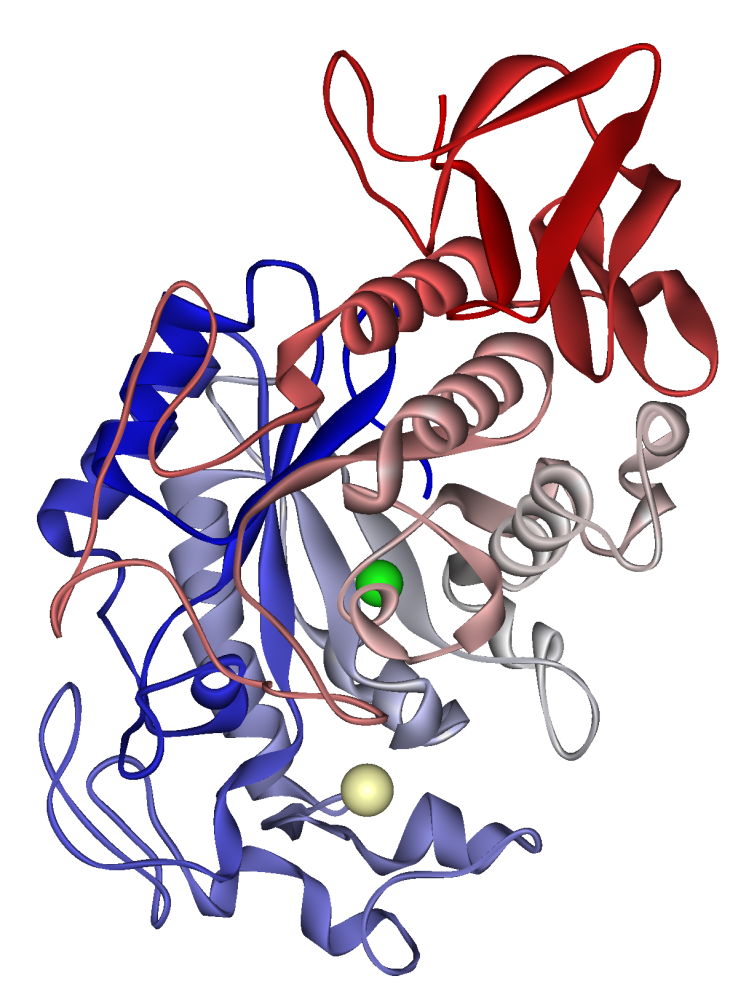
α-Amylase
α-Amylase is an enzyme that hydrolyses α bonds of large, α-linked polysaccharides, such as starch and glycogen, yielding shorter chains thereof, dextrins, and maltose, through the following biochemical process:Endohydrolysis of (1→4)-α-D-glucosidic linkages in polysaccharides containing three or more (1→4)-α-linked D-glucose units
How the Sugar Industry Shifted Blame to Fat (Published 2016)
Newly discovered documents show that the sugar industry paid scientists in the 1960s to shape the debate around heart disease, sugar and fat.

Cytochrome P450 Enzyme Inhibition and Herb-Drug Interaction Potential of Medicinal Plant Extracts Used for Management of Diabetes in Nigeria
The use of herbal medicines is common in Africa, and patients often use a combination of herbs and drugs. Concurrent herbal and pharmaceuticals treatments can cause adverse effects through herb-drug interactions (HDI). This study evaluated the potential risk of HDI for five medicinal plants, Vernonia amygdalina, Ocimum gratissimum, Moringa oleifera, Azadirachta indica, and Picralima nitida, using in vitro assays. Patients with diabetes and some other disease conditions commonly use these medicinal plants in Nigeria, and little is known regarding their potential for drug interaction, despite their enormous use.

Bilingual Glossary - Food and Drug Administration, Department of Health
Arabica
Arabica is a coffee brew tracking app built on AT Protocol. Your brewing data is stored in your own Personal Data Server, giving you full ownership and portability.
Tea production in Bangladesh
Bangladesh is an important tea-producing country. It is the 9th largest tea producer in the world, producing a total of 97.08 million kgs in 2019. Its tea industry dates back to British rule, when the East India Company initiated the tea trade in the hills of the Sylhet region. In addition to that, tea cultivation was introduced to Greater Chittagong in 1840. Today, the country has 166 commercial tea estates, including many of the world's largest working plantations. The industry accounts for 3% of global tea production, and employs more than 4 million people.

Ingredient Database | Deep-Researched Cosmetic Ingredients | Roots by Benda
Deep-researched cosmetic ingredient database — MoS calculations, SCCS citations, dermal absorption, sensitization data. Multi-jurisdiction regulatory status.

British food was complex, multicultural and flavourful in the 18th century – despite what you might think
The King’s table was full of flavours from the British empire and beyond.

British food was complex, multicultural and flavourful in the 18th century – despite what you might think
The King’s table was full of flavours from the British empire and beyond.
Effect of Galactooligosaccharides on Calcium Absorption and Preventing Bone Loss in Ovariectomized Rats
Abstract. The effects of galactooligosaccharides (GOS), a mixture of galactosyl oligosaccharides formed from lactose by the transgalactosyl reaction of β-D