

This page holds a variety of notes about the craft of software design by Tinderbox designer Mark Bernstein, originally written for a plenary lecture at OOPSLA. We are accustomed to viewing software as a means to an end, a mass-produced industrial tool that ought to be beneath our notice. We are told that software ought to be intuitive, invisible, and free. This is wrong.
"Watch What I Do"
I don't know who first made the parallel between programming a computer and using a tool, but it was certainly implicit in Jack Licklider's thoughts about "man-machine symbiosis" as he set up the ARPA IPTO research projects in the early sixties. In 1962, Ivan Sutherland's Sketchpad became the exemplar to this day for what interactive computing should be like--including having the end-user be able to reshape the tool.
Ivan Sutherland's Sketchpad
Alexander Obenauer
Exploring new and renewed ideas for how personal computing and the interfaces we think with can better serve people’s lives – expanding opportunity, agency, curiosity, and creativity.
Malleable Software in the Age of AI - Geoffrey Litt
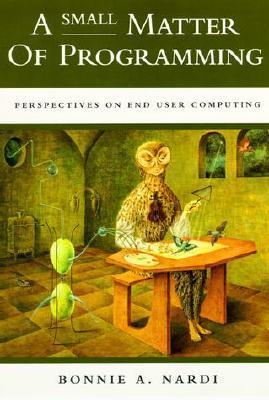
A small matter of programming: perspectives on end user computing
A Small Matter of Programming asks why it has been so d…
Toolkits for the Mind
Programming languages shape the way their users think—which helps explain how tech startups work and why they are able to reinvent themselves.

Kyle Booten
Noöhacking1 is the title of my current research program. I use this term for ways that artists and everyday digital media users build and repurpose algorithmic tools in order to take care of their own minds/spirits, an especially challenging and important task amidst a digital milieu that seems designed to make us alienated, unintelligent, and miserable.
Substrates conference series - Substrates 2026
An increasing number of researchers see their work as interactive authoring tools or software substrates for interactive computational media. By talking about “authoring tools”, we remove the divide between programmers and users; “software substrates” let us look beyond conventional programming languages and systems; and “interactive computational media” promises a more malleable and adaptable notion of tools for thought we are striving for. This workshop aims to bring together a wide range of perspectives on these matters.
Polyglot Software Unconference 2026
A day of spontaneous sharing, learning, and networking for software builders. Participants set the agenda using "open-spaces" format.
Open Source is Not Enough
by James Halliday // The open source movement has fundamentally changed how software gets written. But in the process, corporations have been given a vast gift of free labor.
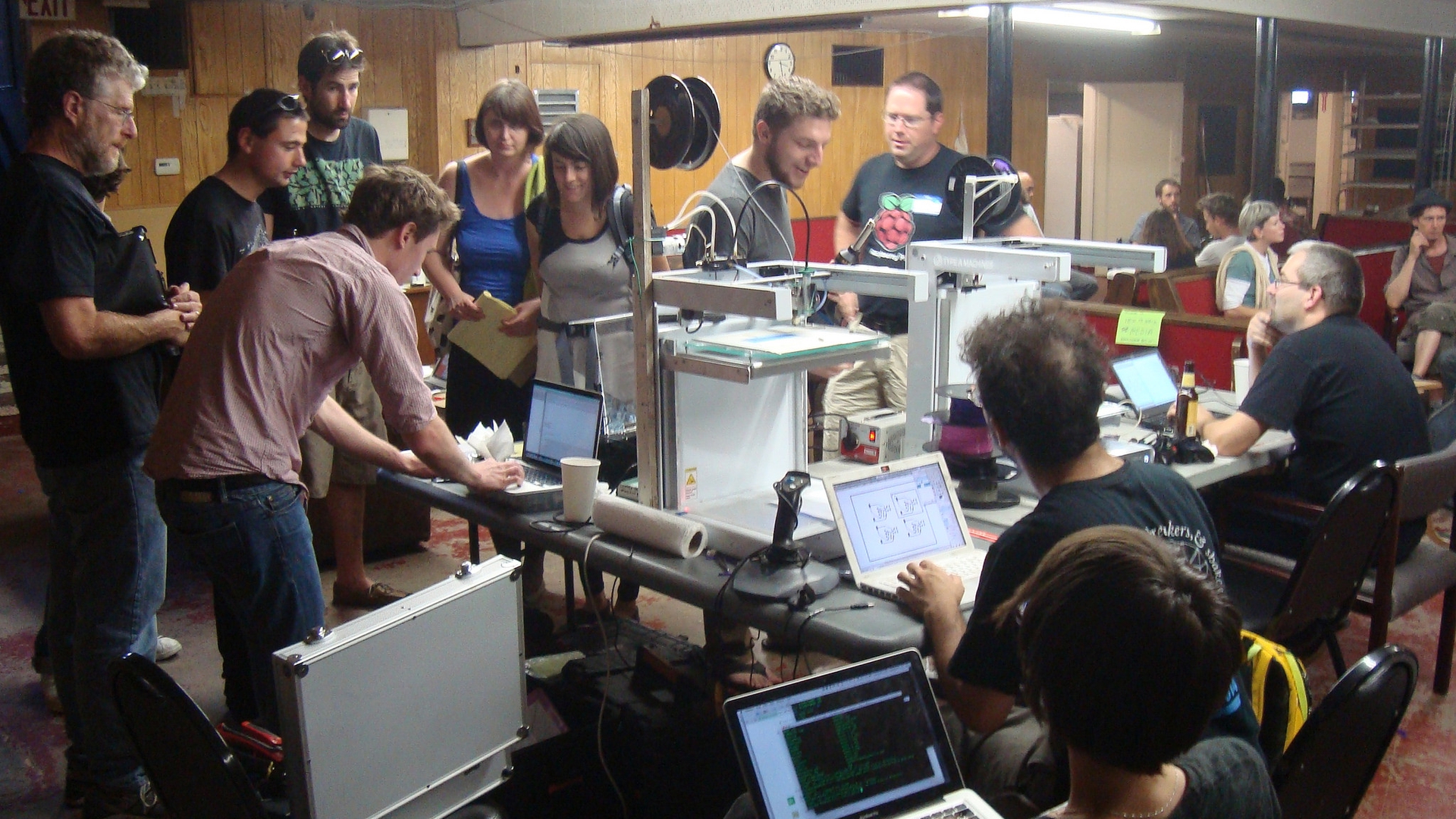
Don't Take the Black Pill - Andrew Kelley | SSW 2026
“We should be more ambitious with the software we build”
Feeling of Computing — Conversations
Convivial Computing Salon #6: Convivial design heuristics for software systems
The future of programming and computing

Trends and adjacent possibles for the future of how computers are used and programmed

Maybe We Should Stop Investing in GUI-Centric Software Companies
LIMITS 2026 -- Workshop on Computing within Limits
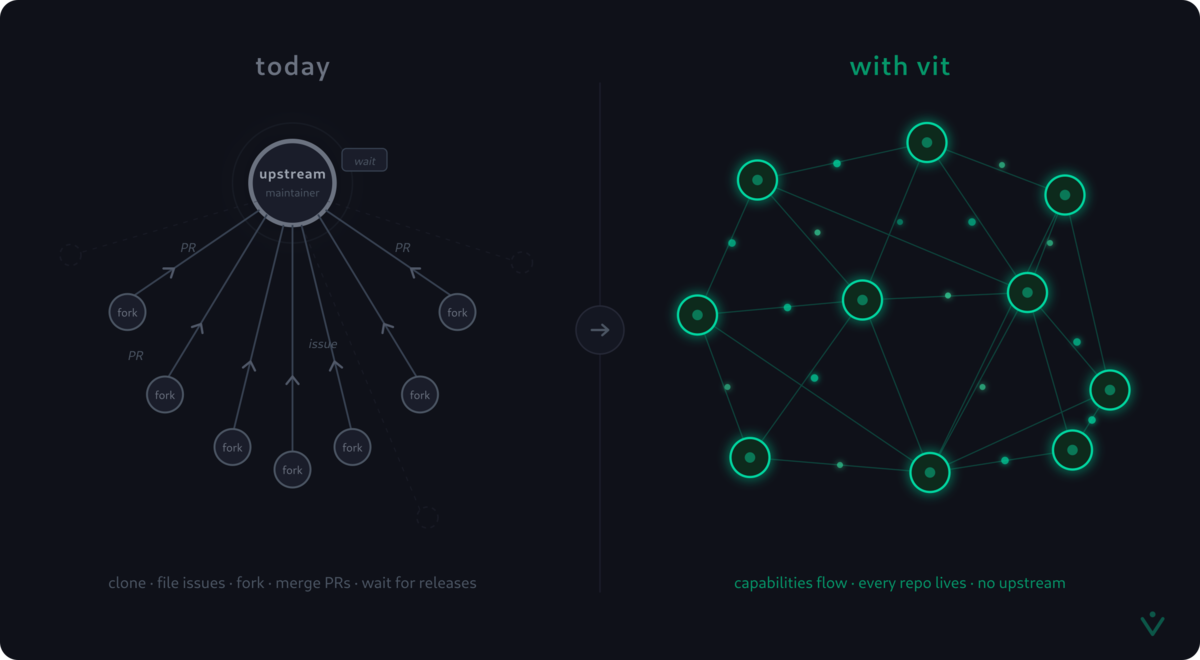
vit — open source is social

Humans approve intent, machines prove conformance
Introducing System One Models and Jev - TypeSafe AI Blog

Message from our CEO: After co-inventing ChatGPT, I kept asking myself: why have superhuman chat models not led to AGI? I’ve spent the last…