

Machine learning, data science, AI
Machine Learning vs AI: Differences, Uses, & Benefits
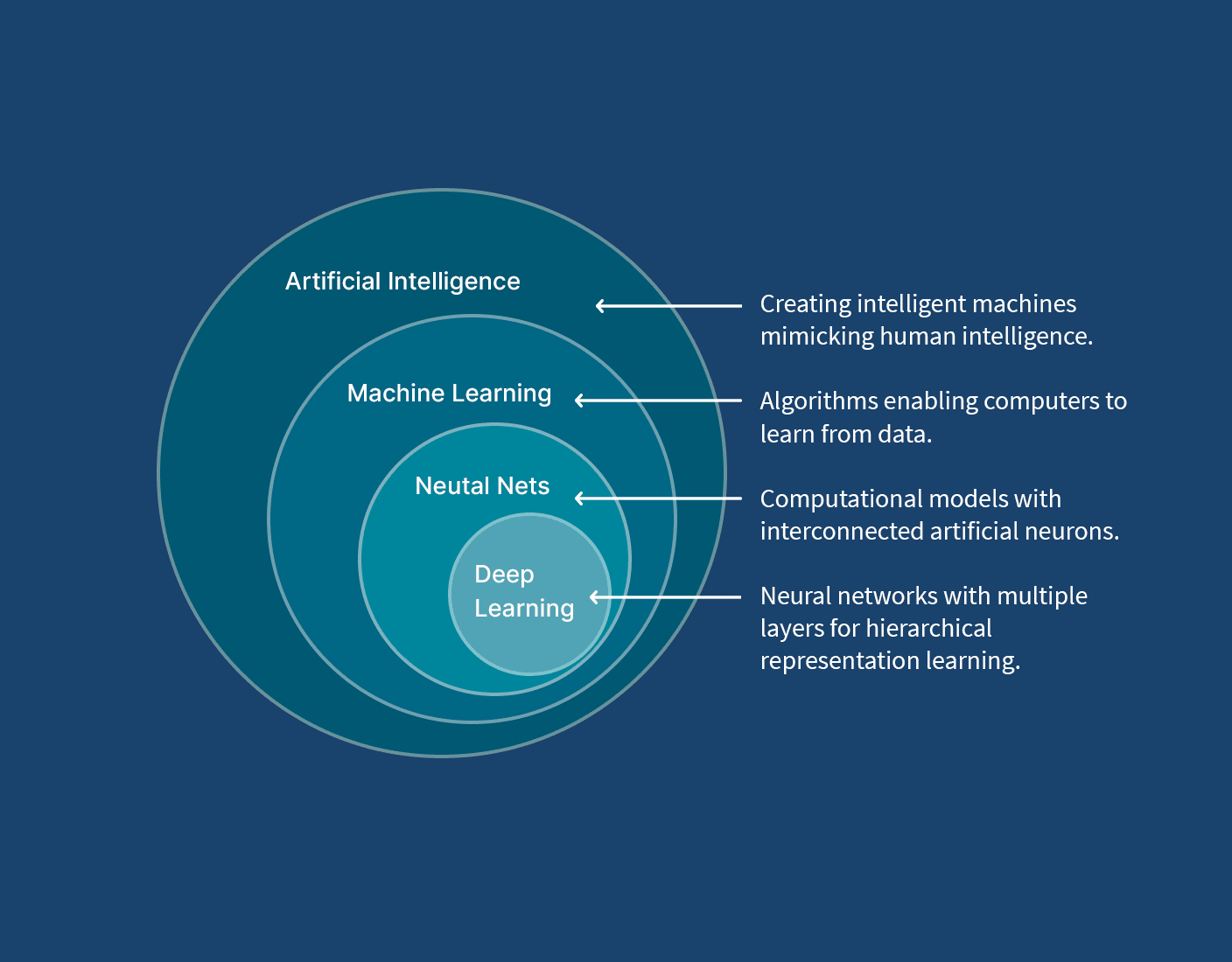
Machine learning is a subset of AI focused on algorithms enabling computers to learn and make predictions without being programmed.
Import AI 475: Swarm scaling; Google DeepMind watermarks biology; and the AI science economy
Who chooses what AI gets to do?

What Are Machine Learning Algorithms? | IBM
A machine learning algorithm is the procedure and mathematical logic through which an AI model learns patterns in training data and applies to them to new data.

Deep Learning - The Biggest Data Science Breakthrough of the Decade - O'Reilly Media Free, Live Events
Machine learning and AI have appeared on the front page of the New York Times three times in recent memory: 1) When a computer beat the world's #1 chess player 2) When Watson beat the world's best Jeopardy players 3) When deep learning algorithms won a chemo-informatics Kaggle...

Artificial Intelligence Glossary | Stanford HAI
Artificial Intelligence (AI) is rapidly growing, with new terms and concepts being introduced at a breakneck speed. You may have seen terms such as AGI, machine learning, or foundation models in media headlines, emerging legislation, or in your everyday life.
Which ‘AI scientist’ suits your lab? A guide for the perplexed
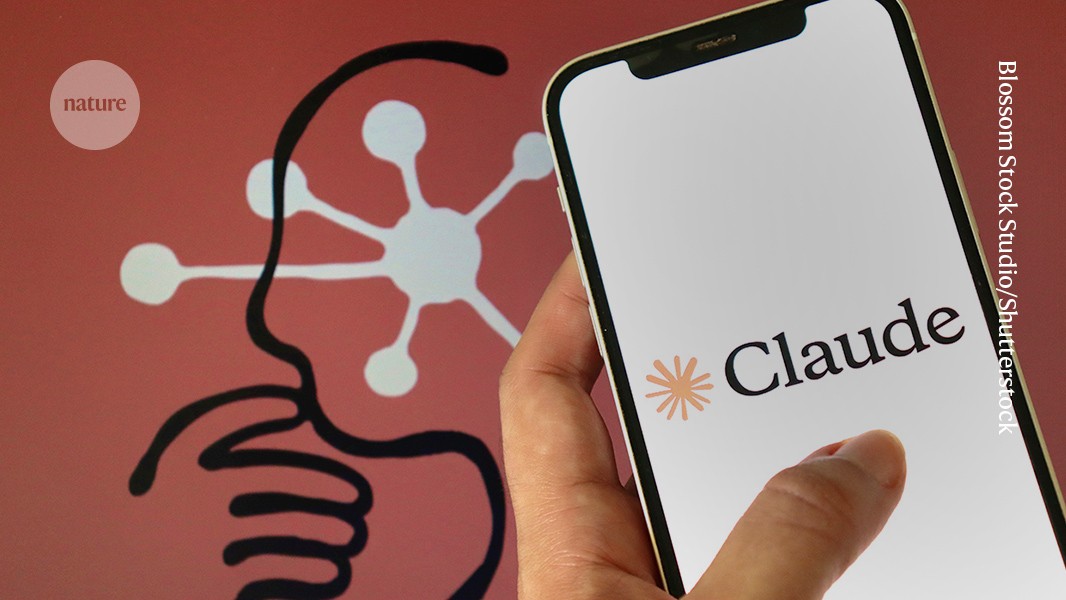
General-purpose AI tools for science, such as Claude Science, promise to accelerate research. But which is right for you?
Find Open Datasets for AI and Research | Kaggle
Browse and download hundreds of thousands of open datasets for AI research, model training, and analysis. Join a community of millions of researchers, developers, and builders to share and collaborate on Kaggle.

What is Machine Learning? | IBM
Machine learning is the subset of AI focused on algorithms that analyze and “learn” the patterns of training data in order to make accurate inferences about new data.

Glossary of Terms for Artificial Intelligence | Columbia Business School
Columbia University in the City of New York 665 West 130th Street, New York, NY 10027 Tel. 212-854-1100
Where does the rigor go? Research software and the future of trustworthy science.
Generative AI now makes it dramatically easier to produce something that looks like research: analysis code, figures, literature reviews, even whole pap…
No. 016: Biomni in Science, Co-Scientist in Nature, open-vs-closed AI workbenches - The Hallway Track
The Hallway Track No. 016 - How AI is affecting the practice of science
No. 008: AI co-mathematician, compiler-verified protocols, open infrastructure bets - The Hallway Track
The Hallway Track No. 008 - How AI is affecting the practice of science
Deep Research, information vs. insight, and the nature of science
What AI will accelerate in the scientific process, what it cannot do, and how we can prepare for new manners of scientific investigation.
Machine Learning | Google for Developers

And this includes any all scientific uses of AI and indeed any computational system, weather prediction, cancer research, medical imaging, mathematics, please just don't claim it's fine if you don't research automation in those areas. I'll post further resources below...

Emily M. Bender
But speaking of staying in one's lane, can we PLEASE switch the default position from "It's fine to use 'AI' for this thing I'm not an expert in" to "Yeah, I'd be really skeptical of any use cases and need to see strong evidence that it's okay, but I'm not the one who can produce that evidence"?
